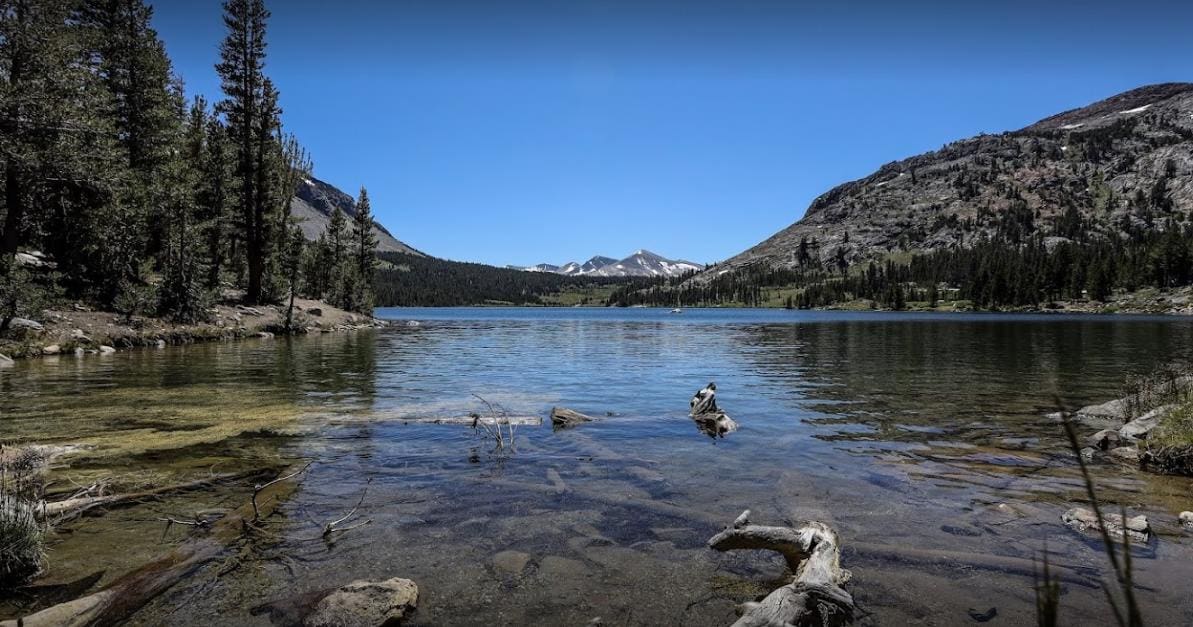
Joshua Tree National Park is a stunning desert wilderness located in Southern California. It is known for its unique landscapes, iconic Joshua trees, and diverse wildlife. Whether you’re planning a visit to the park or simply interested in learning more about it, here are 40 fascinating facts about Joshua Tree National Park.
Table of Contents
- Introduction
- Geography and Geology
- Flora and Fauna
- Cultural Significance
- Recreation
- Conservation and Preservation
- Conclusion
Introduction
Joshua Tree National Park was established as a national monument in 1936 and designated as a national park in 1994. Covering an area of approximately 800,000 acres, the park offers visitors a unique experience with its stunning rock formations, Joshua trees, and vast desert landscapes. Let’s dive deeper into the wonders of this extraordinary place.
Geography and Geology
- Joshua Tree National Park is located in southeastern California, spanning parts of the Mojave and Colorado Deserts.
- The park is named after the Joshua tree (Yucca brevifolia), a unique-looking tree species found primarily in the Mojave Desert.
- The park’s landscape is characterized by rugged mountains, vast expanses of desert, and unique rock formations, such as the famous Skull Rock.
- Joshua Tree National Park is home to the Joshua Tree Wilderness, which covers approximately 585,000 acres and provides a protected habitat for various plant and animal species.
- The park’s highest point is Quail Mountain, standing at an elevation of 5,817 feet (1,773 meters) above sea level.
Flora and Fauna
- The Joshua tree is the park’s most iconic plant species. It is not actually a tree but a member of the agave family.
- The Joshua tree can live up to 150 years and is known for its twisted branches and spiky leaves.
- Other notable plant species in the park include the Mojave yucca, cholla cactus, and various types of wildflowers that bloom during the spring.
- Joshua Tree National Park is home to a diverse range of wildlife, including desert bighorn sheep, coyotes, kangaroo rats, and various bird species.
- The park is a haven for rock climbers, thanks to its unique rock formations and challenging routes. It attracts climbers from around the world.
Cultural Significance
- The area that now encompasses Joshua Tree National Park has a long history of human habitation. Native American tribes, including the Cahuilla and Chemehuevi, have called this land home for thousands of years.
- Visitors can explore ancient petroglyphs and rock art left behind by these indigenous tribes.
- The park’s proximity to Los Angeles has made it a popular destination for artists, musicians, and writers seeking inspiration and solitude.
- The iconic Joshua trees have been a source of inspiration for many artists, including photographer Ansel Adams and musician U2.
Recreation
- Joshua Tree National Park offers various recreational activities, including hiking, camping, rock climbing, and stargazing.
- The park has over 800 miles of hiking trails, ranging from easy nature walks to challenging multi-day backpacking routes.
- Hidden Valley, a popular area within the park, offers excellent rock climbing opportunities for climbers of all skill levels.
- Visitors can enjoy camping at one of the park’s nine campgrounds, offering both tent and RV camping options.
- Joshua Tree National Park is famous for its dark night skies, making it a prime location for stargazing and astrophotography.
Conservation and Preservation
- The National Park Service and various conservation organizations work together to protect and preserve the natural and cultural resources of Joshua Tree National Park.
- Climate change poses a significant threat to the park’s ecosystem, impacting plant and animal species, as well as the availability of water.
- The park is home to the Joshua Tree Genome Project, which aims to study and preserve the genetic diversity of the Joshua tree.
- The National Park Service encourages visitors to practice Leave No Trace principles to minimize their impact on the park’s fragile desert ecosystem.
- Joshua Tree National Park is designated as an International Dark Sky Park, recognizing its commitment to preserving the night sky and reducing light pollution.
Conclusion
Joshua Tree National Park is a treasure trove of natural wonders, offering visitors a unique opportunity to explore desert landscapes, marvel at rock formations, and admire the iconic Joshua trees. From hiking and rock climbing to stargazing and wildlife spotting, the park offers something for everyone. By preserving this extraordinary place, we can ensure that future generations can continue to enjoy its beauty and learn from its rich cultural and natural history.
Plan your visit to Joshua Tree National Park and experience the magic of the desert firsthand. Remember to respect and protect this fragile ecosystem, so that it can continue to inspire and awe for years to come.
References:
- Joshua Tree National Park Association. (n.d.). About Joshua Tree National Park. Retrieved from https://www.joshuatree.org/about-jtnp
- National Park Service. (n.d.). Joshua Tree National Park. Retrieved from https://www.nps.gov/jotr/index.htm
- U.S. Department of the Interior. (n.d.). Joshua Tree National Park. Retrieved from https://www.doi.gov/blog/11-things-you-didnt-know-about-joshua-tree-national-park
