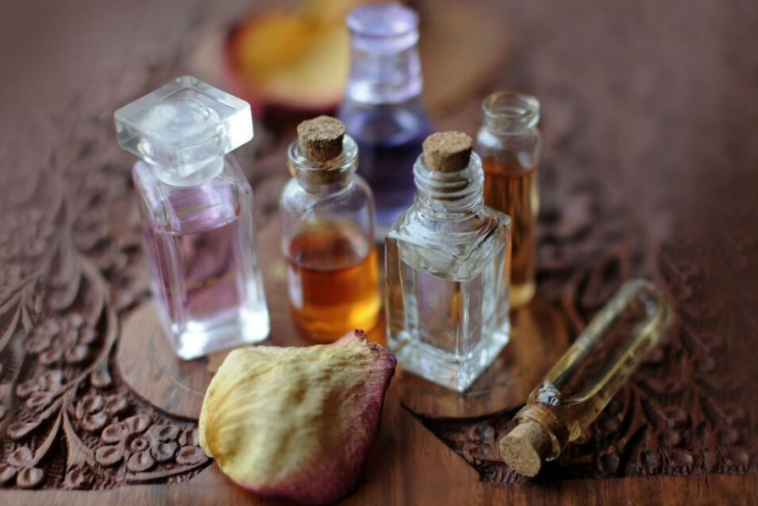
How to Make Perfume at Home is a question many people ask when they get tired of searching for the perfect fragrance. Finding a scent that truly feels like “you” is not always easy. Testing dozens of perfume bottles in stores, smelling paper strips one after another, and feeling confused after a while is a very familiar experience. At some point, the idea of creating your own perfume naturally comes to mind.
Making perfume at home may sound complicated at first, but with the right guidance, it can be a surprisingly enjoyable and creative process. When you create your own fragrance, you have full control over the ingredients and the final result. This allows you to design a scent that suits your skin, your personality, and your mood. Once you understand the basics, making your signature perfume at home becomes much more achievable than you might think.
How Is a Perfume Scent Created?
To understand how to make perfume at home, it’s important to know how perfume layers work. A well-balanced perfume is built in layers, and each layer reveals itself over time. These layers are known as top notes, middle notes, and base notes.
Top notes are the first scents you notice right after applying perfume. They create the first impression and are usually light, fresh, and bright. Citrus scents and light spices are commonly used here. Although they fade quickly, they play a key role in how the perfume feels at the beginning.
Once the top notes disappear, middle notes take over. This is the heart of the perfume and the layer that defines its true character. Floral and herbal scents are often used at this stage. Middle notes last longer and stay noticeable on the skin for several hours.
Finally, base notes appear. These are deep, warm, and long-lasting scents that form the foundation of the perfume. Woody, musky, and resin-like aromas are common base notes. They help hold the entire composition together and ensure the perfume lasts throughout the day.
Find Inspiration for Your Own Blend
One of the most enjoyable parts of learning how to make perfume at home is finding inspiration. Think about the perfumes you’ve loved in the past. Are you drawn to floral, citrus, spicy, or woody scents? Identifying your preferred scent family makes the blending process much easier.
You can take inspiration from existing perfumes, but instead of copying them exactly, try to reinterpret the notes in your own way. You might swap a floral note for something softer or add a warmer base note for depth. This process is very personal and often involves trial and error. Even small changes can completely transform the final scent.
Choosing the Right Carrier for Your Perfume
When learning how to make perfume at home, choosing the right carrier is just as important as selecting the fragrance oils. The carrier helps blend the scents and makes them safe to apply on the skin.
Oil-based and alcohol-based carriers are the most common options. Oil-based perfumes are among the oldest forms of fragrance. Jojoba oil is especially popular because it closely resembles the skin’s natural oils and absorbs easily without feeling heavy. Sweet almond oil is another gentle and effective alternative.
Alcohol-based perfumes offer a more traditional experience. They are easy to spray and help the scent spread more evenly. However, alcohol can be drying for sensitive skin. Choosing a carrier that matches your skin type is essential. Some people also combine oil and alcohol to create a balanced formula.
Materials You Need to Make Perfume at Home
Before starting, gathering all materials will make the process smoother. If you’re wondering how to make perfume at home, here are the basic ingredients you’ll need:
- 2 tablespoons of carrier oil (jojoba, sweet almond, or another light oil)
- 6 tablespoons of alcohol
- 2.5 tablespoons of purified water
- 30 drops of essential oils or fragrance oils (a mix of top, middle, and base notes)
Useful tools include a small funnel, coffee filter, and dark glass bottles with airtight lids. Dark glass bottles help protect the perfume from light and preserve the scent longer. Storing your perfume in a cool, dark place is also very important.
Step-by-Step: How to Make Perfume at Home
Once everything is ready, how to make perfume at home becomes a simple and rewarding process. The general rule is that most of the mixture should be the carrier, with a smaller portion dedicated to fragrance oils.
Start by measuring the carrier. Then add the base notes first, followed by the middle notes, and finish with the top notes. This order helps create a balanced scent.
Mix all ingredients except the water and seal the bottle. Let it rest for 48 hours. If you’re happy with the scent strength, add the water and gently shake the bottle. Using a funnel, transfer the perfume into its final bottle.
It’s best to start with small amounts during your first attempts. Smell the mixture after each addition to stay close to your desired result. After blending, let the perfume rest for at least two days so the scents can fully blend. The longer it rests, the more refined the fragrance will become.
How to Apply Your Homemade Perfume Correctly
Knowing how to make perfume at home is only part of the journey. Applying it correctly helps you enjoy the scent to its fullest. Perfume works best on warm areas of the body such as the wrists, behind the ears, inner elbows, and behind the knees.
Avoid rubbing the perfume into your skin, as this can cause the top notes to fade too quickly. Lightly applying it is enough. Perfume also lasts longer on moisturized skin, so applying it after a shower can improve longevity.
Create a Scent That Is Truly Yours
Making your own perfume is one of the most personal ways to express your style. Not every blend will be perfect, but each attempt brings you closer to your ideal scent. Patience and experimentation are key. Over time, you’ll discover which notes suit you best and create a fragrance that feels completely your own.
