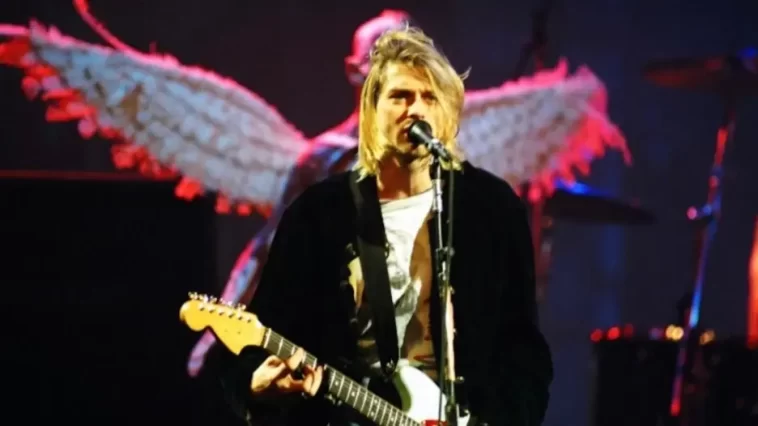
Kurt Cobain murder claim discussions have resurfaced after an independent forensic review raised serious doubts about the long-standing conclusion that the Nirvana singer took his own life. More than three decades after Cobain was found dead in his Seattle home, new claims suggest his death may not have been a suicide, but a carefully staged homicide.
Kurt Cobain, the legendary frontman of Nirvana and a defining voice of the 1990s grunge movement, was found dead on April 5, 1994, at the age of 27. Authorities at the time ruled his death a suicide by shotgun, placing him among other iconic musicians who died young, including Jimi Hendrix, Janis Joplin, and Jim Morrison. However, many fans never fully accepted that explanation.
Independent Forensic Team Reexamines the Case
The renewed Kurt Cobain murder claim comes from a group of independent forensic specialists who reviewed autopsy findings, toxicology reports, and crime scene evidence. The team includes experts experienced in drug overdose cases and firearm-related deaths, most notably forensic analyst Brian Burnett.
According to Michelle Wilkins, an independent investigator involved in the review, Burnett reached a startling conclusion within days of reexamining the evidence. “After looking at the materials with fresh eyes, he was convinced this was not a suicide,” Wilkins said. “He believes Kurt Cobain was murdered.”
Key Inconsistencies in the Autopsy Findings
One of the most significant points fueling the Kurt Cobain murder claim involves signs of oxygen deprivation found during the autopsy. Wilkins explained that Cobain showed organ damage consistent with prolonged hypoxia, including brain and liver necrosis. These findings are more commonly associated with drug overdoses than with immediate death from a shotgun wound.
“The evidence suggests he did not die instantly,” Wilkins stated. “That directly contradicts the idea of a self-inflicted gunshot wound causing immediate death.”
The team argues that Cobain may have been incapacitated by a forced heroin overdose before being shot, making it physically impossible for him to operate the weapon himself.
Was the Crime Scene Too Perfect?
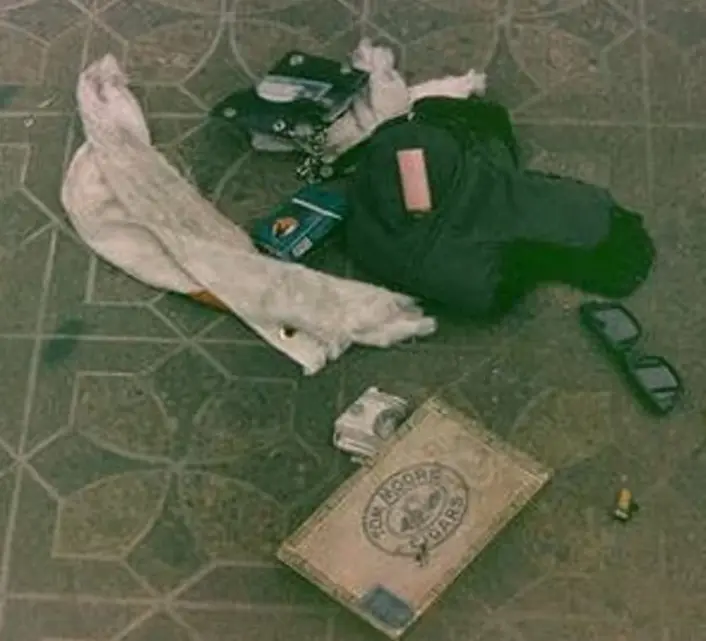
Another major element supporting the Kurt Cobain murder claim is the condition of the crime scene. Investigators describe it as unusually clean and carefully arranged. Items such as shotgun shells, the weapon placement, and personal belongings appeared deliberately positioned.
“Real suicide scenes are chaotic,” Wilkins said. “This one looked staged, like a scene designed to send a very specific message.”
Questions Surrounding the Suicide Note
The suicide note left behind has also come under renewed scrutiny. Handwriting analysis suggests that while Cobain may have written part of the note, other sections appear to have been added by a different person. The shift in tone and handwriting style has raised further doubts about its authenticity.
Investigators believe the note may have originally addressed Cobain’s relationship with fame and music, rather than indicating an intention to die.
Official Response: Case Remains Closed
Despite the growing attention surrounding the Kurt Cobain murder claim, authorities have not reopened the case. Both the Seattle Police Department and the King County Medical Examiner’s Office maintain that Cobain’s death was a suicide.
In official statements, representatives emphasized that all procedures were properly followed and noted that no new physical evidence has emerged that would justify reopening the investigation. However, they also stated they would review the case again if verifiable new evidence becomes available.
Why the Debate Still Matters
Wilkins stresses that the goal is not to accuse individuals or force arrests, but to challenge a narrative that may have caused lasting harm. She argues that portraying Cobain’s death as a suicide contributed to emotional distress among fans and may have influenced vulnerable young people over the years.
“Kurt Cobain’s legacy deserves the truth,” she said. “And his fans deserve honesty, even if it’s uncomfortable.”
A Mystery That Refuses to Fade
More than 30 years later, the Kurt Cobain murder claim continues to divide public opinion. Whether the case is ever officially reopened or not, renewed interest shows that the questions surrounding Cobain’s death remain far from settled.
For now, the mystery lives on — fueled by new interpretations, unanswered questions, and a global fanbase still searching for closure.
