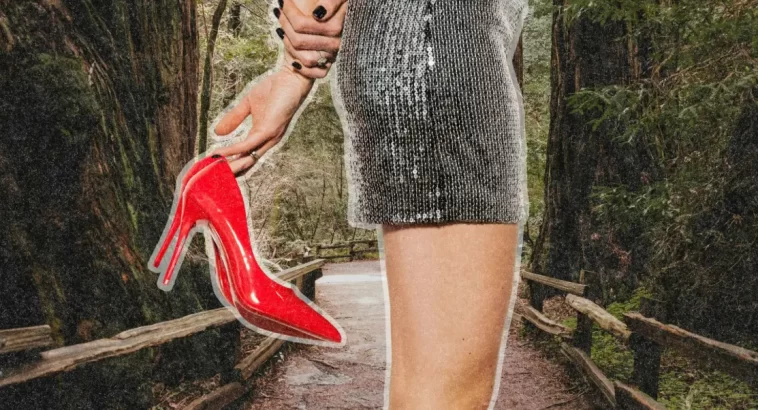
Hot girl hiking has become one of the most talked-about outdoor trends on TikTok and Instagram, drawing new audiences to hiking trails while also igniting fierce debate. Supporters say the trend makes nature feel more welcoming and joyful. Critics argue it risks turning the outdoors into yet another space where women’s bodies, clothing, and appearance are quietly judged.
At its core, hot girl hiking sits at the intersection of social media aesthetics, outdoor culture, and long-standing conversations about who gets to feel like they belong in nature.
What Is Hot Girl Hiking, Exactly?
The hot girl hiking trend grew out of earlier viral movements like “hot girl walking,” which emphasized confidence, self-care, and feeling good in your body while doing something simple and accessible.
On social media platforms like TikTok, the trend usually appears as short videos of women hiking in coordinated outfits—crop tops, biker shorts, matching sets, skorts, or sports bras—paired with scenic views, upbeat music, and carefully framed shots.
The outdoors, in these clips, are not rugged or harsh. They’re soft, beautiful, and curated. Trails look clean, lighting is perfect, and effort is rarely visible. Everything is optimized for visual pleasure.
But proponents argue that hot girl hiking isn’t just about clothes. It’s about confidence, joy, and permission—especially for women who may not have grown up feeling welcome in traditional outdoor spaces.
An Aesthetic—or an Emotional State?
Some hikers describe hot girl hiking as an “emotional aesthetic” rather than a fashion trend.
In this interpretation, it means allowing yourself to hike alone, to enjoy nature without supervision or judgment, and to feel powerful and attractive on your own terms. It’s about reclaiming space and saying: I deserve to be here exactly as I am.
From that perspective, hot girl hiking can feel deeply empowering. It reframes outdoor activity not as punishment or performance, but as pleasure.
However, the emotional freedom of the concept often collides with the visual reality of social media, where beauty standards are rarely neutral.
Why Hot Girl Hiking Makes Some Women Uncomfortable
The backlash against hot girl hiking isn’t about women enjoying themselves outdoors. It’s about pressure.
For decades, the outdoor community has grappled with exclusion—based on gender, race, body type, ability, and access to expensive gear. Historically, the image of “who belongs outside” skewed heavily toward white, male, athletic, and well-equipped adventurers.
Critics worry that hot girl hiking replaces one narrow image with another.
Several women describe feeling instantly alienated by the phrase. They argue that women already face relentless pressure to look attractive in everyday life—and that hobbies, especially those rooted in nature, should be one of the few spaces where appearance doesn’t matter.
To them, adding the word “hot” to hiking risks turning freedom into performance.
Does Hot Girl Hiking Create a New Gate to the Outdoors?
This is where the debate sharpens.
On one hand, hot girl hiking has undeniably drawn new people to trails—especially younger women who previously felt that hiking culture wasn’t for them. Influencers often use the aesthetic to introduce trail etiquette, preparedness tips, and “leave no trace” principles in a friendly, approachable way.
On the other hand, when social media rewards a narrow type of beauty, it can quietly reinforce exclusion. Not everyone feels comfortable—or safe—presenting themselves that way outdoors. And not everyone wants their time in nature documented, filtered, and judged.
The concern isn’t the trend itself, but what becomes normalized.
The Role of Influencers and Brands
Outdoor-focused influencers have tried to strike a balance. Many frame hot girl hiking as a gateway, not a requirement. Their message is often: You don’t need perfect gear or a perfect body—just show up.
At the same time, outdoor brands have leaned into the aesthetic, offering more pastel colors, cropped silhouettes, and fashion-forward hiking apparel. For some women, this is long-overdue representation. For others, it feels like consumerism creeping further into a space that once promised simplicity.
The result is a tension between accessibility and aspiration.
Is There a Safety Line? The Footwear Question
Where many critics draw a firm boundary is safety.
High heels, platform slides, and other impractical footwear occasionally appear in viral hot girl hiking clips, prompting concern from outdoor professionals and medical experts alike.
Uneven terrain demands ankle stability, traction, and support. Wearing unsupportive shoes significantly increases the risk of sprains, strains, and falls. While personal expression matters, safety remains non-negotiable in natural environments.
Most advocates of hot girl hiking agree on this point: confidence should never come at the cost of physical well-being.
Can Hot Girl Hiking Be Both Empowering and Problematic?
Yes—and that’s what makes the conversation worth having.
Hot girl hiking can:
- Help new hikers feel welcome
- Normalize women taking up space outdoors
- Celebrate joy, beauty, and self-expression
It can also:
- Reinforce unrealistic beauty standards
- Encourage comparison and self-surveillance
- Turn nature into content rather than refuge
Both realities can exist at the same time.
Who Gets to Decide What Belongs Outside?
Perhaps the most important question raised by the hot girl hiking debate isn’t about outfits—it’s about ownership.
Does the outdoors belong to people who look a certain way? Move a certain way? Document their experience a certain way?
Or does it belong to everyone, regardless of how visible—or invisible—they choose to be?
Many hikers argue that true inclusivity means allowing multiple interpretations of what it looks like to enjoy nature, without turning any single one into a standard.
A Middle Ground: Letting People Be
For some, hot girl hiking will never resonate—and that’s okay. For others, it may be the very thing that convinces them to step onto a trail for the first time.
The healthiest approach may be the simplest one: let people engage with the outdoors in ways that feel good to them, while continuing to emphasize safety, respect for nature, and mutual acceptance.
You don’t have to be a hot girl to hike.
You don’t have to document it.
And you don’t have to opt out just because someone else’s version looks different than yours.
Nature is vast enough for all of it.
