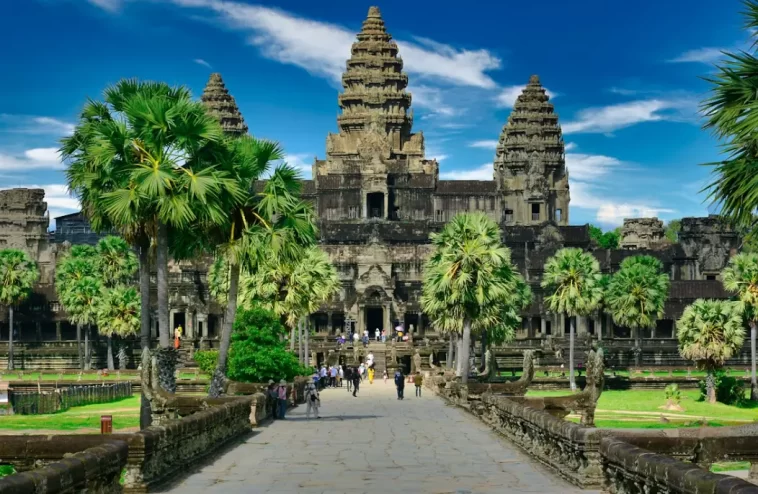
If you’ve ever dreamed of standing in front of one of the most breathtaking structures ever built by human hands, the Angkor Wat travel guide you’re reading right now is your starting point. Angkor Wat is not just a temple — it’s a world unto itself. Hidden inside the jungles of northwestern Cambodia, this ancient complex has been drawing explorers, pilgrims, and curious travelers for centuries. And once you see it with your own eyes, you’ll understand why.
Whether you’re a history nerd, a photography enthusiast, or just someone who wants to tick off a true bucket-list destination, Angkor Wat will not disappoint. But going unprepared? That can turn an incredible experience into a frustrating one. So let’s walk through everything — the history, the logistics, the hidden gems, and the honest tips that most guides skip.
What Exactly Is Angkor Wat?
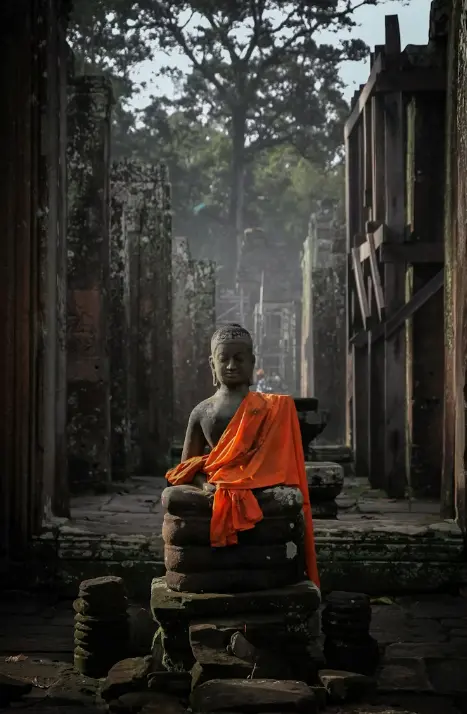
Let’s start at the beginning. Angkor Wat is a temple complex located near Siem Reap, Cambodia. It was built in the early 12th century under King Suryavarman II, originally as a Hindu temple dedicated to the god Vishnu. Over time, it gradually transformed into a Buddhist site — and today, it remains an active place of worship, not just a tourist attraction.
The name itself means “Temple City” or “City of Temples” in Khmer. And that name makes perfect sense. This isn’t one building — it’s an enormous complex spanning over 400 acres, making it the largest religious monument in the world. The iconic five towers you see on Cambodia’s national flag? That’s Angkor Wat.
It’s also a UNESCO World Heritage Site, part of a larger archaeological park that includes hundreds of other temples scattered through the jungle. Angkor Wat is the crown jewel, but the whole area is extraordinary.
When Should You Go?
Timing matters a lot here. Cambodia has two main seasons: wet and dry.
November to February is the sweet spot. The weather is cooler (relatively — we’re still talking 25–30°C), the skies are clearer, and the landscape looks lush after the rains. Sunrise visits during this period are absolutely stunning. The downside? Everyone else knows this too, so crowds can be significant, especially in December and January.
March to May is hot. Genuinely, deeply hot. Temperatures can climb past 38°C, and wandering around stone temples under the midday sun is brutal. That said, there are fewer tourists, and if you’re a morning-only visitor, it’s manageable.
June to October is monsoon season. Sudden heavy rains are common, but so are dramatic skies, reflective pools around the temples, and much thinner crowds. It’s actually a beautiful time to visit if you don’t mind getting wet.
My honest recommendation: go in November or early December. You get the good weather, the green scenery, and slightly fewer crowds than peak January.
Getting There
Flying in: The nearest airport is Siem Reap International Airport (SAI). It has direct connections from Bangkok, Kuala Lumpur, Singapore, Ho Chi Minh City, and several other Asian hubs. From Europe or North America, you’ll usually connect through one of these cities.
Overland: If you’re already in Southeast Asia, there are bus routes from Bangkok and Ho Chi Minh City. The journey takes longer, but it’s an adventure in itself — and notably cheaper.
From Phnom Penh: You can take a bus (about 6 hours) or a short domestic flight. The bus is fine and affordable; the flight saves time.
Once you’re in Siem Reap, getting to the temples is easy. Tuk-tuks are the most popular choice — they’re cheap, fun, and your driver will become your unofficial guide over the course of the day. Grab-hailing apps work too, and bicycle rentals are available if you’re feeling adventurous and physically prepared.
Visas and Entry
Most nationalities need a visa to enter Cambodia. The good news is it’s straightforward.
- E-Visa: Apply online at evisa.gov.kh before you travel. It costs $36 USD and takes 3 business days to process. This is the easiest option.
- Visa on Arrival: Available at major entry points including Siem Reap airport. It costs $30 USD — bring a passport photo and cash (USD is widely accepted).
- Passport validity: Make sure your passport is valid for at least 6 months beyond your entry date.
Angkor Wat Tickets and Opening Hours
Tickets are purchased at the main Angkor Enterprise ticketing office, not at the temples themselves.
- 1-day pass: $37 USD
- 3-day pass: $62 USD (can be used on any 3 days within 10 days)
- 7-day pass: $72 USD
If you’re serious about exploring the complex, the 3-day pass is absolutely worth it. There’s so much to see that one day genuinely isn’t enough.
Opening hours: The complex is open from 5:00 AM to 6:00 PM. Angkor Wat itself opens at 5:00 AM specifically so visitors can catch sunrise — and if you’re only going once in your life, you should be there for it.
Note: Keep your ticket with you at all times. They check it at multiple points throughout the day.
The Sunrise Experience (Yes, It’s Worth the Early Alarm)
Set your alarm for 4:00 AM. I know that sounds painful, but this is one of those travel experiences that genuinely changes the way you see things.
Arrive at the reflecting pool in front of the main temple just before 5:30 AM. As the sky begins to lighten, the five towers of Angkor Wat emerge from the darkness, silhouetted against a sky that shifts from deep purple to orange to gold. The reflection in the still water doubles the effect.
Yes, there will be other people there. Yes, it’s crowded. But somehow, in that moment, it still feels personal. Almost everyone goes quiet.
Bring a flashlight or use your phone torch for the walk in. Wear layers — early mornings can be surprisingly cool. And get there early enough to claim a good spot along the reflecting pool.
What Else to See Inside the Complex
Angkor Wat is the headline act, but the supporting cast is remarkable.
Angkor Thom is a walled city just north of Angkor Wat. Inside, you’ll find the Bayon Temple — famous for its dozens of giant stone faces carved into the towers. Standing among those serene, massive faces is one of the stranger and more memorable experiences in all of travel.
Ta Prohm is the temple the jungle is eating alive. Enormous tree roots snake over walls and through doorways, with massive trunks splitting ancient stones apart. It’s where parts of the original Tomb Raider film were shot, and the atmosphere is unlike anywhere else on Earth.
Banteay Srei is further away (about 25km north), but the intricate pink sandstone carvings here are some of the finest in the entire complex. Often called the “Jewel of Khmer Art,” it’s smaller than the main temples but deeply impressive in its detail.
Pre Rup, Neak Pean, Baphuon — there are dozens of temples, each with a different personality, different history, different architecture. Even on a 3-day pass, you won’t see everything.
Dress Code and Etiquette
This is important. Angkor Wat is a functioning religious site, and there is a dress code.
- Shoulders and knees must be covered. This applies to everyone, regardless of gender.
- If you arrive underdressed, vendors outside sell cheap scarves and cover-ups.
- Remove shoes before entering temple interiors — there are signs at each entrance.
- Keep voices low inside the temples. This isn’t a theme park.
- Don’t climb on structures or statues. Aside from being disrespectful, it causes real damage to irreplaceable stonework.
- Photography is generally fine, but be mindful around monks and active prayer areas. Always ask before photographing people.
Food and Where to Eat
Siem Reap has an excellent food scene, better than many visitors expect.
Pub Street is the tourist hub — lively, colorful, and convenient. It’s not where locals eat, but it’s fun for a first night. Try the street food stalls nearby before sitting down at a restaurant.
For local Khmer food, look for places away from the main tourist strip. Amok (a coconut curry steamed in banana leaf), lok lak (stir-fried beef with rice and a fried egg), and nom banh chok (Khmer noodles with fish gravy) are must-tries.
Inside the complex, there are a few food stalls and rest areas, mostly near Angkor Thom. They’re basic but functional. Bring snacks and at least a liter of water per person — you’ll need it.
Practical Tips Nobody Tells You
- Hire a local guide, even for one day. The context they provide transforms the experience. You’ll understand what you’re looking at instead of just admiring pretty stonework.
- Start at the outer temples first. On day one, resist the urge to go straight to the main temple. Visit Ta Prohm and the outer circuit first — the main temple will hit harder when you’ve built up context.
- The afternoon light on Angkor Wat is beautiful. If you’ve already done sunrise, come back late afternoon (around 4 PM) for golden hour photography from the western causeway.
- Cash is king. USD is accepted widely across Siem Reap and the temple complex. Carry small bills.
- Respect the heat. Take breaks during 11 AM–2 PM when the sun is at its worst. Use this time for lunch, rest, or indoor spaces.
- Download Maps.me or Google Maps offline. Mobile signal is patchy inside the complex.
How Many Days Do You Need?
- 1 day: Possible, but rushed. You’ll see the highlights without depth.
- 2–3 days: The sweet spot for most travelers. You see the major temples properly and have room for spontaneous exploration.
- 4–5 days: For the dedicated history lover or photographer who wants to go deep into the outer temples, fewer-visited sites, and sunrise/sunset at multiple locations.
A Quick Note on Responsible Tourism
Angkor Wat sees over two million visitors a year, and the pressure on the site is real. A few things to keep in mind:
- Don’t leave litter. The complex has limited waste management — carry out what you bring in.
- Buy from local vendors. The small sellers outside the temples are community members who depend on tourism income.
- Don’t buy “lucky” birds or animals sold for release near temples — it’s an exploitative practice that harms the animals.
- Consider contributing to heritage organizations working to preserve the site.
Final Thoughts
There are places in the world that photos simply cannot prepare you for. Angkor Wat is one of them. No matter how many images you’ve seen, standing on that western causeway at first light, watching the sky ignite behind those ancient towers, is something else entirely.
This Angkor Wat travel guide has covered the essentials — but the real experience? That only starts when you step off the tuk-tuk and start walking. Take your time, stay curious, and let the place surprise you.
Cambodia, and Angkor Wat in particular, has a way of getting under your skin. Most people who go once find themselves planning a return visit before they’ve even left.
Planning your trip to Southeast Asia? Check out our guides on Siem Reap, Phnom Penh, and the best Cambodia itineraries for first-time visitors.
