From the complex lifting systems that made the construction of the pyramids possible to the astonishing accuracy of the Mayan calendar, here are the incredible technologies and mysteries of ancient civilizations.
The imposing silhouettes of the Pyramids of Giza reaching into the sky, the ruins of Machu Picchu hidden in the clouds and the intricate aqueducts of Ancient Rome are all traces of ancient civilizations that push the boundaries of the modern world and challenge our imagination. Using much more than just stone and earth, these ancient civilizations developed incredible technologies that push the limits of today’s knowledge.
SCIENCE BEYOND TIME: TECHNOLOGICAL ACHIEVEMENTS OF ANCIENT CIVILIZATIONS
We are inspired by the wisdom and skills of our ancestors, exploring the lost technologies and unsolved mysteries of the ancient world. In this article, we dive into the mysteries rising from the sands of time and explore the extraordinary achievements of ancient civilizations in fields such as engineering, mathematics, astronomy and medicine.
From the complex lifting systems that made the construction of the pyramids possible to the astonishing accuracy of the Mayan calendar, are you ready to learn and discover how these ancient civilizations achieved such extraordinary feats?
The Pyramids’ Mysterious Technology and Stone Age Accounts
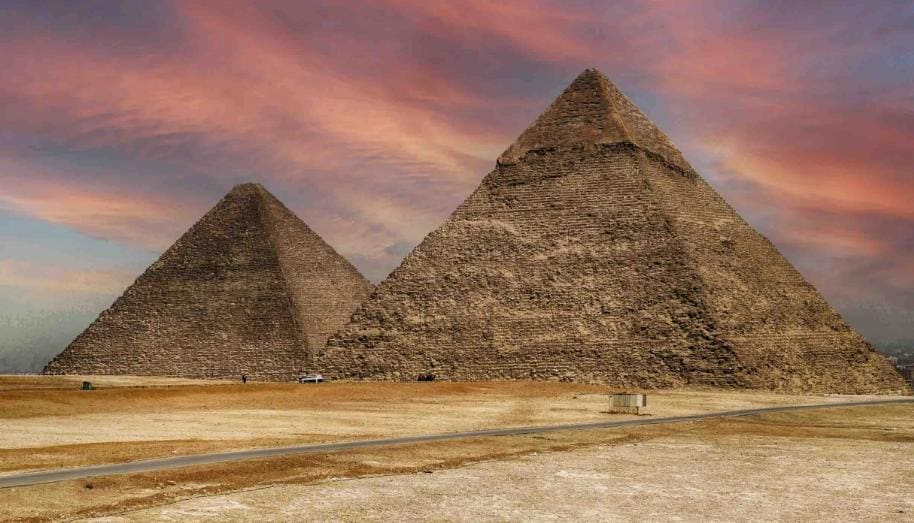
The Pyramids of Giza are one of humanity’s most impressive and mysterious monuments, towering above the sands of the Egyptian desert. With their colossal size, intricate architecture and incredibly precisely cut stone from the stone age, these monuments have inspired wonder and awe for centuries.
How the pyramids were built, what technologies were used and the mysterious meanings behind them are still not fully understood.
Where are the Pyramids of Giza?
The Pyramids of Giza are located on the Giza plateau, about 20 kilometers southwest of the Egyptian capital Cairo. Located on the west bank of the Nile River on a vast sandy terrain, these pyramids are one of the most important archaeological sites of ancient Egypt.
The Mystery of the Pyramids of Giza:
The construction of the pyramids and the engineering feats of the Stone Age still hold many mysteries even today. How the stone blocks weighing tons were transported and placed, how the perfect geometric proportions of the pyramids were achieved and what technologies were used in these ancient structures are still not fully understood.
The mysterious and impressive structures of the pyramids have been the subject of legends and conspiracy theories for centuries. The mysteries make the pyramids one of the most intriguing and mysterious structures of humanity. Some of the theories are as follows:
Aliens: Some people believe that the pyramids were built by aliens. This theory is based on arguments such as the complexity of the pyramids and the lack of technology known to have been available to people at the time. It is also noted that the Pyramids of Giza perfectly align three stars in the constellation Orion, which is interpreted as a sign indicating a connection with aliens.
Atlantis: There is also a belief that Atlantis was a lost civilization and that the pyramids were built by this civilization. This theory stems from Plato’s mention of Atlantis in his dialogues and the fact that this civilization had extraordinary technological capabilities.
Mu Mu Civilization: Mu is a legendary civilization believed to be a lost continent in the Pacific Ocean. Some conspiracy theorists argue that the Mu people built the pyramids and then their civilization disappeared when the continent was flooded.
Giants: There is also a belief that the pyramids were built by giants. This theory is based on the size of the stones and the enormous labor required to move and place them. There are also mentions in some ancient texts that giants were involved in the construction of the pyramids.
Energy Sources: Some people believe that the pyramids were built to access hidden energy sources. This theory is based on claims that the shape and layout of the pyramids affect electromagnetic fields, which can generate energy that can be used for healing or other powers.
Time Capsule: Some conspiracy theorists argue that the pyramids are used as time capsules, containing hidden knowledge and artifacts from lost civilizations. This theory is based on unknown elements such as the pyramids’ mysterious chambers and unexplored tunnels.
These legends are just some of the most common myths and conspiracy theories about the construction of the pyramids. None of these theories have been scientifically proven, but they continue to add to the mystery of the pyramids and trigger the human imagination.
Technology of the Pyramids of Giza:
Building the pyramids required skill and know-how far beyond the technology of the time. The Egyptians used simple tools such as bronze cutters and wooden sledges to cut and move the stone blocks. But with these simple tools, they were able to cut and place huge blocks of stone with precision.
They managed to build these massive structures using complex engineering solutions such as ramps, water channels and leverage systems.
Contributions of the Pyramids of Giza to the Present:
The pyramids are not only architectural and engineering marvels, they have also made significant contributions to modern science and technology. The mathematical calculations and geometric proportions used during the construction of the pyramids are still used in modern architecture and engineering. Furthermore, the astronomical alignments of the pyramids demonstrate the knowledge of the ancient Egyptians in astronomy and astronomy.
Interesting Facts About the Pyramids of Giza:
The Pyramids of Giza are the oldest and largest pyramids in the world.
The Pyramid of Khufu consists of 2 million stone blocks and weighs about 2.3 million tons.
The pyramids took about 20 years to build.
The interior of the pyramids contains a complex system of chambers and tunnels.
The mysterious atmosphere of the pyramids has been the subject of many movies and books.
Machu Picchu’s Building Blocks: How Inca Architecture Survived
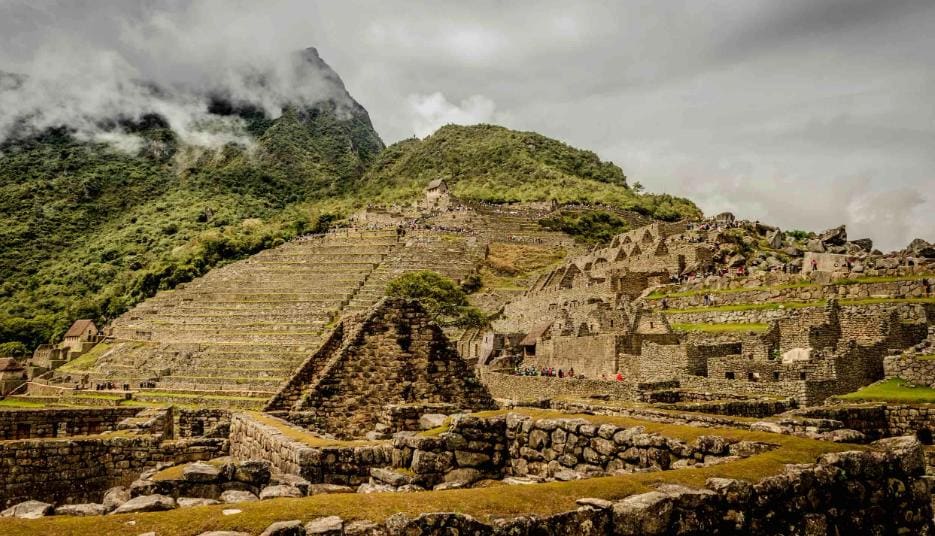
Machu Picchu, a town hidden in the clouds in the Andes Mountains of Peru, is one of the most impressive and mysterious ruins of the Inca civilization. This 15th-century ancient city consists of terraces, temples and houses built on steep cliffs.
One of the most remarkable features of Machu Picchu is its stone walls, which remain intact even after centuries. So how did Inca architecture become so durable?
How Inca Architecture Survived
Inca architecture is known for its durability, which is admired even today. There are many factors behind this resilience:
Stonemasonry: The Incas were highly specialized in polygonal stonemasonry. In this technique, the stones were carefully cut and fitted together perfectly. The use of mortar was kept to a minimum and the weight and shape of the stones created a self-locking structure. This ensured exceptional resistance to natural disasters such as earthquakes and floods.
Site Selection: The Incas carefully studied the geological features of the land before constructing their buildings. Structures built on solid ground minimized the risk of collapse and slippage. They also made sloping terrain safe by using techniques such as terracing the slopes.
Symmetry and Balance: Inca architecture placed great importance on symmetry and balance. In this way, the loads of the buildings were evenly distributed and structural weaknesses were avoided. They also used rounded lines and curved structures, making them more flexible against earthquakes.
Natural Materials: The Incas used natural and durable materials such as stone, wood and straw in their buildings. These materials were resistant to wear and tear over time and could be easily repaired. In addition, stone’s ability to retain heat kept buildings at a comfortable temperature throughout the year.
Maintenance and Repair: The Incas regularly maintained and repaired their buildings. This meant that minor damage could be dealt with before it grew and ensured the longevity of the structure.
Conclusion: The durability of Inca architecture is the result of a combination of many factors, including skillful stonemasonry, the choice of solid ground, an emphasis on symmetry and balance, the use of natural materials, and regular maintenance and repair. These techniques continue to be a source of inspiration for today’s architects.
Where is Machu Picchu?
Machu Picchu is an ancient city in the Cusco region of Peru, on the banks of the Urubamba River. Built in the 15th century by the Inca Emperor Pachacuti, it was used as the summer residence of the royal family.
Machu Picchu was discovered by the American Hiram Bingham in 1911 and has since become one of the world’s most popular tourist destinations.
The Mystery of Machu Picchu:
The construction and purpose of Machu Picchu is still unknown. Some researchers think that this ancient city may have been a religious center. Others suggest that it may have been used as a summer home of the royal family or as an agricultural center.
Machu Picchu’s mysterious atmosphere and spectacular scenery make it one of the most intriguing and mysterious places in the world.
Machu Picchu Technology:
During the construction of Machu Picchu, blocks of cut stone were seamlessly placed together without the use of any mortar or binders. These stones are perfectly matched to each other, not only in size and shape, but also in slope and angle. This perfect harmony makes the walls extraordinarily resistant to earthquakes and other natural disasters.
Interesting Facts About Machu Picchu:
Machu Picchu is called “Machu Pikchu”, a Quechua word meaning “Old Mountain”.
About 20 million stone blocks were used to build Machu Picchu.
The highest point of Machu Picchu is 2,430 meters.
About 1.5 million tourists visit Machu Picchu every year.
Machu Picchu is a UNESCO World Heritage Site.
Mechanical Wonders of Ancient Greece: The Origins of Automata and Robots
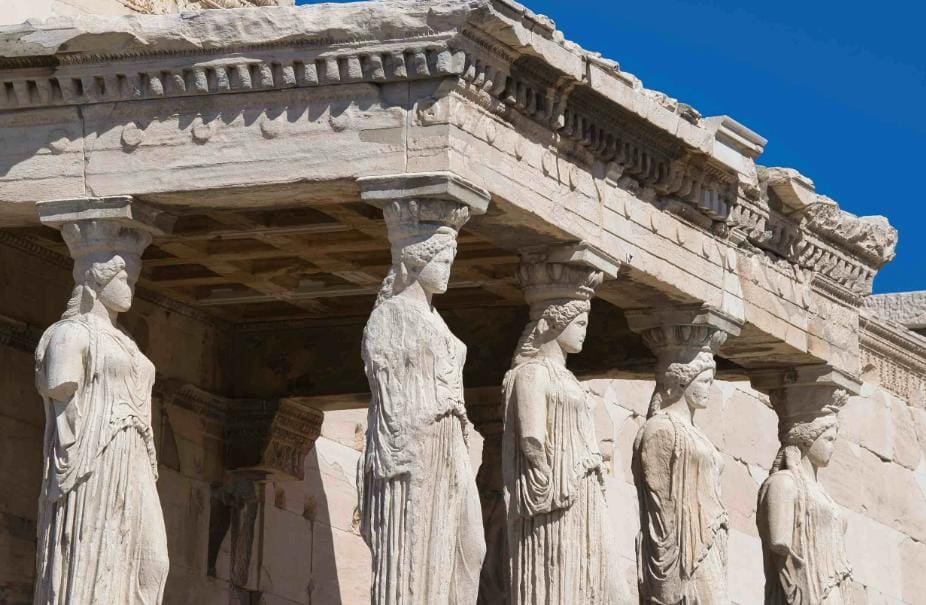
The ancient Greek civilization made significant achievements not only in philosophy, art and democracy, but also in engineering and technology. One of the most remarkable of these achievements is the mechanical marvels developed by the ancient Greeks.
Inventions such as automatic water pumps, theatrical stage mechanisms and moving statues in sacred temples demonstrate the engineering skills and imagination of the ancient Greeks.
What are the Mechanical Wonders of Ancient Greece?
Antikythera Machine: Built between 150-100 BC, this complex device is considered the world’s oldest known computer. It was used to calculate the positions of the Sun and Moon, the movements of the planets and eclipses.
Water Wheels: Water wheels were used to drive mills, grain pounding machines and other machinery by harnessing the power of the flow of water. Water wheels were widely used in ancient Greece and played an important role in agriculture and industry.
Cranes: Cranes are mechanical devices used to lift heavy objects. In ancient Greece, cranes were used in construction, loading and unloading ships and other areas.
Gears: Gears are mechanical devices that work by meshing two or more toothed wheels. In ancient Greece, gears were used in clocks, water pumps and other machines.
Automatic Doors: In ancient Greece, automatic doors were used in temples and other important buildings. These doors were usually operated by water or air pressure.
Phoenician Maritime Exploration and Ancient Navigation Systems
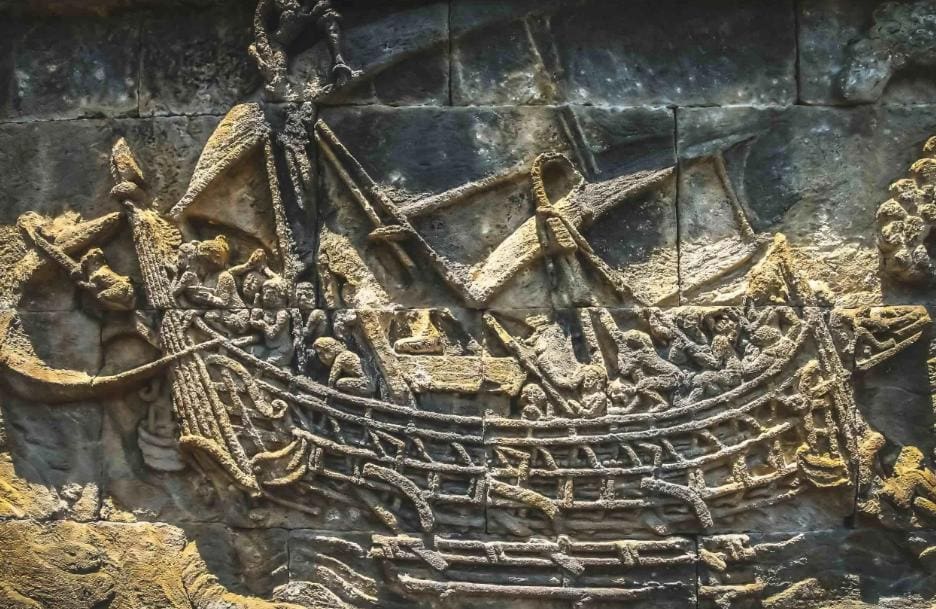
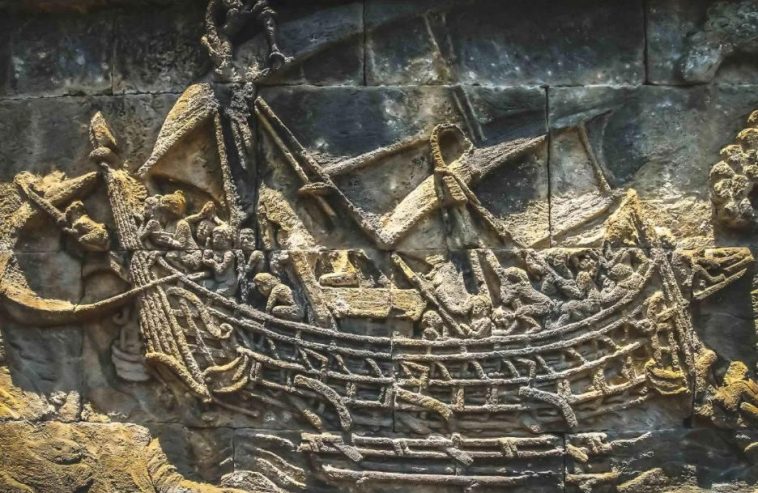
The Phoenicians were an ancient civilization that was a leading maritime power in the Mediterranean and beyond from the 2nd millennium to the 1st century BC. Through trade and colonization, they explored the Mediterranean, Red Sea and Indian Ocean and made significant advances in navigation.
Phoenician Exploration of the Sea:
Western Mediterranean: The Phoenicians explored the coasts of Spain, Portugal, France and Italy and established trading colonies in these regions.
Eastern Mediterranean: They established trade with Egypt, Palestine and Syria and colonized islands such as Cyprus, Crete and Malta.
Red Sea: By discovering the Red Sea, they opened up a maritime trade route for the Egyptian pharaohs.
Indian Ocean: Phoenician sailors explored the southern coast of the Arabian Peninsula and established trade routes to India.
Ancient Navigation Systems of the Phoenicians:
Navigating by the Stars: Before the compass, the Phoenicians were adept at navigating by looking at the stars. They could use the North Star and other celestial bodies to determine their position at sea.
Sundials: Using sundials they could keep track of the time of day and the season. This helped them know when to set sail and when to return to port.
Maps: The Phoenicians were one of the first civilizations to use maps for navigation. They used maps to show the coastline, harbors and dangers.
Lighthouses: The Phoenicians built lighthouses to guide sailors at night. These lighthouses were used to mark dangerous points of the coastline and illuminate harbor entrances.
