Interesting Dining Rules are not just about politeness—they reveal the deep cultural traditions behind food and social life. Every country has its own way of eating, shaped by history, religion, and community values. While some rules may seem unusual to outsiders, they are considered essential signs of respect and belonging in their native cultures.
In this article, we’ll explore 10 fascinating dining rules from different parts of the world. These customs show how diverse and meaningful mealtime traditions can be.
1. In Some African and Middle Eastern Countries, Don’t Use Your Left Hand
In places like India, parts of Africa, and the Middle East, eating with your left hand is considered impolite. The right hand is traditionally used for eating, while the left hand is associated with unclean tasks. Visitors should be mindful of this cultural expectation when sharing meals.
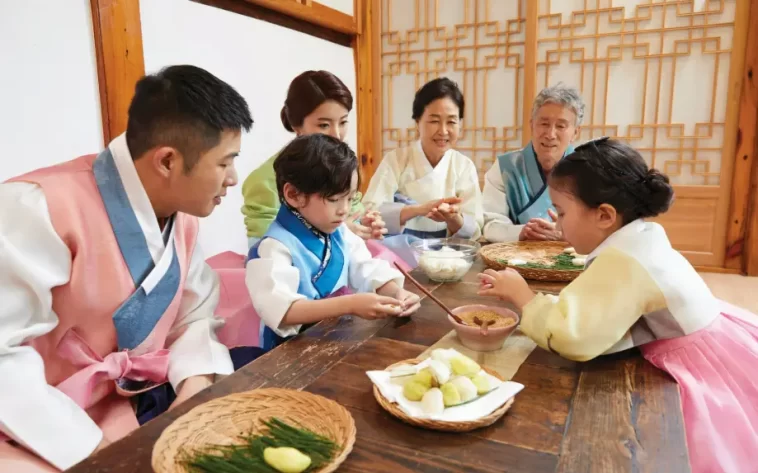
2. In South Korea, Elders Eat First
Respect for elders is a cornerstone of Korean culture. At the dining table, younger people must wait until the oldest person begins eating before they start. Additionally, when receiving food or drinks, it is polite to use both hands as a gesture of gratitude and respect.
3. In Kazakhstan, Tea Cups Are Only Half-Filled
Tea is central to Kazakh hospitality. Guests are often served cups filled halfway, symbolizing that they are welcome to stay longer. A full cup, however, can signal that the host is ready for the guest to leave. This subtle tradition shows how deeply tea is tied to social etiquette.
4. In Spain, Meals Are Short—and Trash on the Floor Is Normal
Unlike countries where long meals are common, Spanish dining—especially in restaurants—tends to be shorter. Another surprising custom is that some restaurants encourage guests to throw napkins or food scraps on the floor. A messy floor is seen as proof of the restaurant’s popularity and quality.
5. In China, Don’t Finish All the Food on Your Plate
Leaving a few bites of food is a way to honor the host. It shows that the guest is satisfied and that the host has provided enough food. Finishing everything might suggest that the host didn’t serve enough, which could be considered disrespectful.
6. In Germany, Don’t Cut Potatoes With a Knife
Using a knife to cut potatoes in Germany can be seen as an insult to the cook. It implies that the potatoes were not cooked properly. Instead, diners should use a fork to break them apart. This small detail reflects the importance of respecting the effort put into preparing food.
7. In Egypt, Adding Salt Is Rude
In Egypt, sprinkling salt on food is considered offensive. It suggests that the cook didn’t prepare the dish correctly. Asking for extra seasoning can even be seen as a sign of bad manners. Guests are expected to enjoy the food exactly as it is served.
8. In Thailand, You Don’t Choose Your Own Dish
At traditional Thai gatherings, the eldest woman at the table decides what everyone will eat. This custom emphasizes respect for elders and the communal nature of Thai dining. Meals are shared, and the choice of dishes reflects the wisdom and authority of the family matriarch.
9. In Australia, Don’t Talk About Work at the Table
Australians value mealtime as a social occasion. Discussing business during meals is discouraged, except at formal work dinners. For everyday gatherings, the focus is on enjoying food and conversation without the stress of professional matters.
10. In Tanzania, Being Late to Dinner Is Normal
Unlike many cultures where punctuality is important, in Tanzania arriving late to a meal is not considered rude. Guests often show up at different times, and meals are relaxed, flexible events. This reflects the laid-back rhythm of Tanzanian social life.
Why Dining Rules Matter
These interesting dining rules highlight how food is more than just nourishment—it’s a reflection of culture, respect, and community. Whether it’s waiting for elders in Korea, leaving food on your plate in China, or avoiding salt in Egypt, each custom tells a story about values and traditions.
Next time you travel, pay attention to local dining etiquette. It’s not only a way to avoid misunderstandings but also a chance to connect more deeply with the culture you’re experiencing
