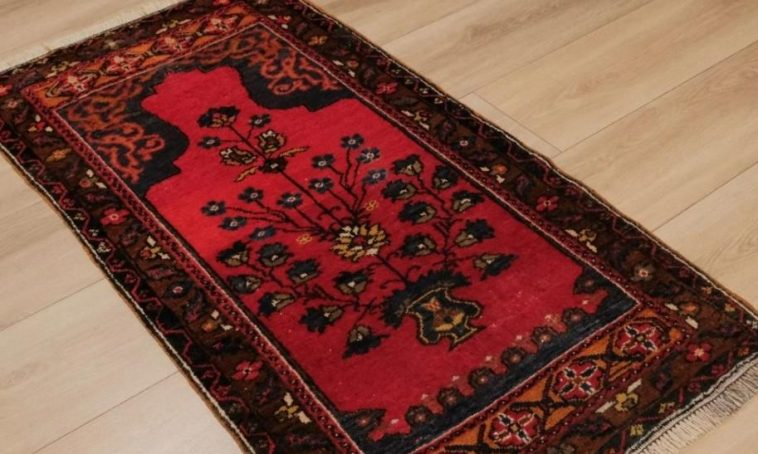
Turkish Red is a deeply rooted shade of color with great historical and cultural value.
Color is one of the indispensable phenomena that has existed in every aspect of human life since the earliest ages. It has been observed from past to present that colors have different meanings, especially for states, and that they identify colors with superior values such as bricks, banners and flags. However, there are some colors that are completely identified with a nation and are known by the name of that nation all over the world. Turkish red, one of those colors, has become the symbol of a whole culture.
Behind the Turkish red, whose color code is #A91101, lies the historical journey, cultural influences and traces of the Turkish nation. Turkish red, which is a part of a centuries-old tradition, has been seen in many areas from architecture to textiles, from works of art to military symbols, especially since the Ottoman Empire. This color is an important tool that reinforces the identities of both societies and individuals, as well as becoming a symbol of unity and power. Let’s explore the journey of Turkish red together.
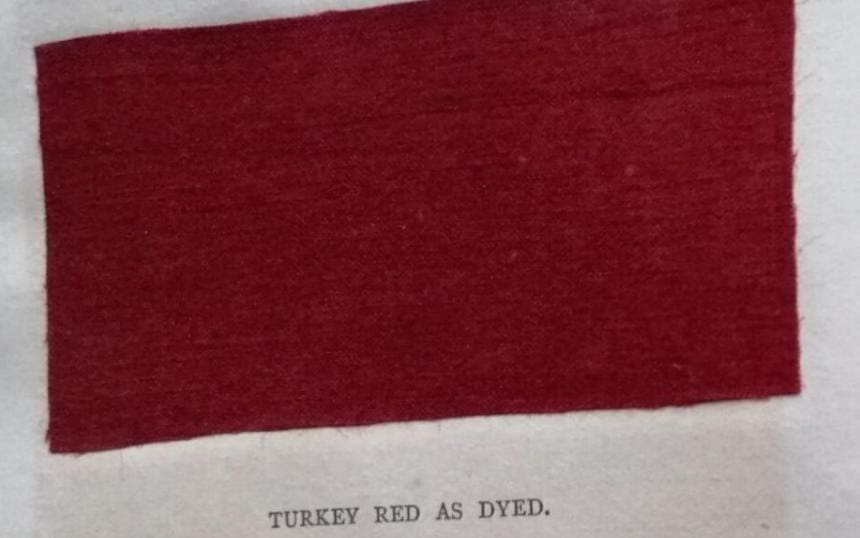
Turkish red is a natural dye derived from the roots of a plant called Rubia Tinctorum.
This plant has been used in textile dyeing processes since ancient times. The cultivation of this plant in Turkish lands and its use in dyeing processes is one of the most important examples of Turks’ contribution to their traditional arts. Over time, Turkish red became a world-famous hue, spreading from the Ottoman Empire to Western Europe from the 16th century onwards. Thanks to two masters who were first taken to France from Izmir in 1746, it became known in the West and reached England.
Since ancient times, the color red has been associated with joy of life, courage and wisdom
Red has a meaning beyond other colors; it expresses both vitality and passion. Turkish red requires long and meticulous work to achieve. Europeans spent years trying to figure out the formula for this color, and at the end of this process, Turkish red was transformed into an industrial product under the influence of industrialization.
The production process of Turkish red is extremely laborious
The roots of the Rubia Tinctorum plant are subjected to a long processing process and the resulting dye is applied to fabrics. But exactly how this process was done remained a mystery for a long time. In the 19th century, the technique spread to Europe but remained a mystery. The fact that the recipe for Turkish red was lost overshadowed the historical importance of this color for a while.
The formula for this special color was passed down orally from master to apprentice, not written down. For this reason, many states in Europe, who wanted to produce this bright and permanent red color in their own countries, sent spies to Ottoman lands and tried to obtain the formula
The production method of Turkish red caused competition and espionage attempts among European countries of the period. Throughout history, this color has attracted attention both for its aesthetic value and the mystery of its production process. So much so that for a while the recipe for the color was literally lost! But don’t worry, we have the recipe now and the color is patented! Anyway, let’s get back to the subject. As a result of the efforts to produce this color, in 1746, three Frenchmen named Goudard, D’Haristoy and Fesquet established a workshop in France to produce Turkish red. In addition, the British government invited two French textile manufacturers to England in 1781 and made attempts to produce this color. As a result of these attempts, Turkish red dyeing factories were opened in countries such as France, England, Germany, Switzerland and the Netherlands. However, with the synthetic production of alizarin by two German chemists in 1869, the labor-intensive and costly Turkish red technique was abandoned and synthetic dyes became widespread.
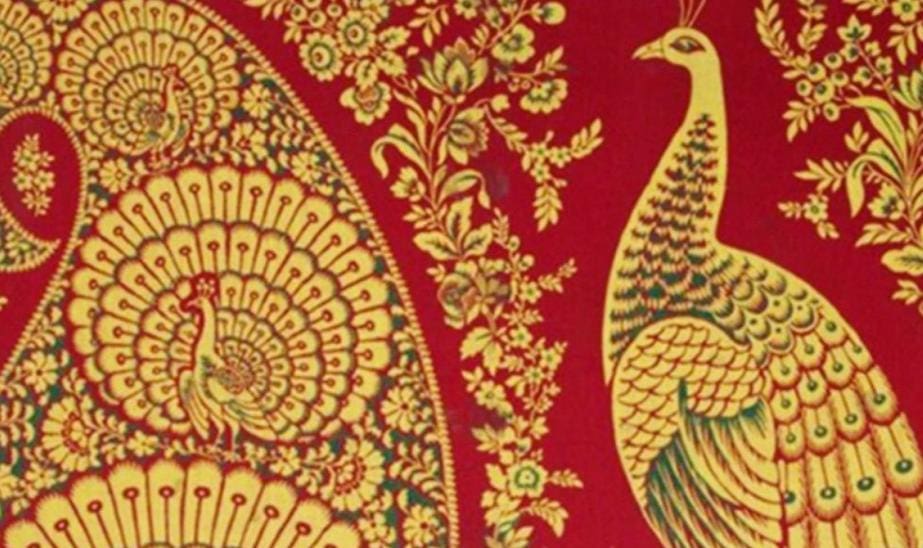
During the Ottoman period, Turkish red had a wide range of uses from palace clothes to folk clothing
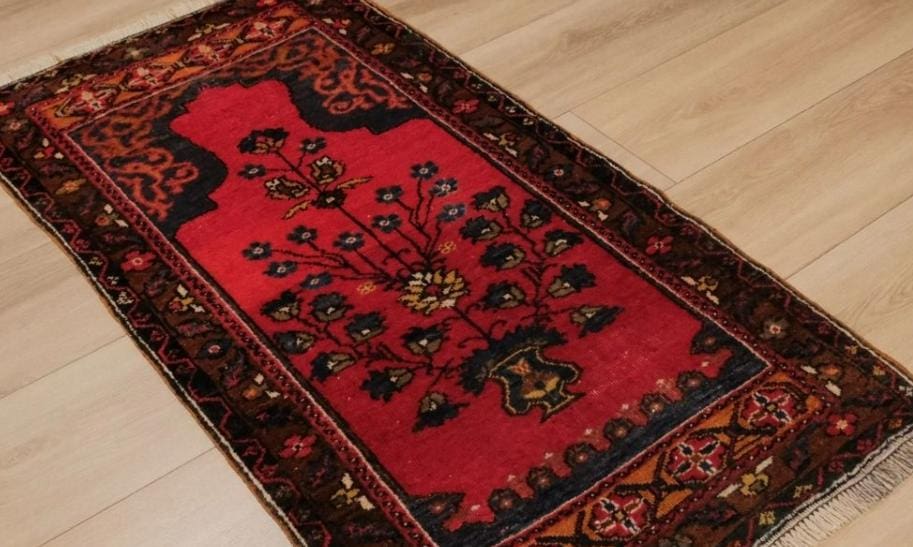
This color was frequently used in Turkish handicrafts such as carpet art, miniature art and tile art. Especially in Uşak and Gördes carpets, Turkish red tones stood out as one of the most dominant colors. These carpets have both artistic and cultural value and are among the most popular artifacts in museums today.
Turkish red in carpets
Turkish red was an indispensable color of Ottoman carpets. The carpets were not only preferred by the palaces and the elite, but were also widely used among the common people. The richness that this shade of red added to the carpets increased the depth of the colors and patterns and raised the aesthetic value of the carpets.
Its place in miniature art
Turkish red also plays an important role in miniature art. Used in Ottoman period manuscripts and albums, this color was preferred to emphasize figures and motifs. Especially sultans, religious figures and important people were portrayed in miniatures with this shade of red. Thus, this color strengthened not only visual aesthetics but also a historical narrative.
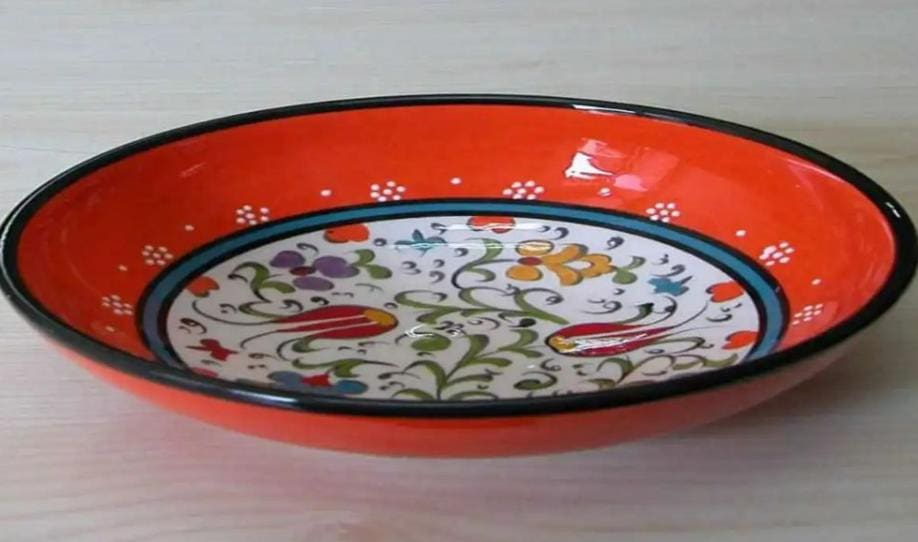
Influence on tile art
Iznik tiles are another important field of art in which Turkish red was used. The shades of red in these tiles brought the works to life and adorned the walls of mosques and palaces. Today, the Turkish red effect of Iznik tiles is still vibrant and impressive, reflecting the artistic power and cultural heritage of this color.
