Mushrooms can look very similar to each other, so it is difficult to understand which ones are poisonous and which ones are not. Here are the types of poisonous mushrooms you should avoid…
Many fungal species contain toxins for their own self-defense. In order to reproduce, fungi have developed mechanisms to keep themselves alive. When fungi reproduce, their bodies grow and release spores into the environment. Unfortunately, they are very vulnerable during this process. They have to release their spores very quickly and if some are eaten in the process, the spores are lost. That’s why many mushroom species have poisons and toxins to keep predators away. Over time, animals have learned which mushrooms to avoid and which are safe to eat. Here are the types of poisonous mushrooms you should avoid…
Death Cap mushroom

Across Europe, the villagers, especially those found in oak or beech woodlands, are responsible for the majority of fatal mushroom poisonings. This is partly because they resemble many edible and popular species. Although they are known to taste quite pleasant, eating them can lead to liver and kidney failure and death.
Amanita bisporigera

Amanita bisporigera can be found in woodlands and grassy meadows in Europe and North America. They have white hats and lamers, like the peasants. They also contain amatoxins like the peasants. Amatoxins are highly toxic compounds that circulate in the blood and disrupt cell metabolism, thus damaging many organs, including the liver and heart. Even a very small amount can cause death.
Conocybe filaris

Another species that shares toxic compounds is Conocybe filaris, a rather nondescript-looking red-brown mushroom common in the Pacific Northwest, but also found in Europe, Asia and North America. They are sometimes confused with Psilocybe because of their similar conical brown cap.
This poisonous species causes gastrointestinal problems about 6 to 24 hours after ingestion. Symptoms are often initially mistaken for food poisoning but can lead to liver failure and even death.
Cortinarius species

This group of poisonous mushrooms poisons its eaters quite slowly. Cortinarius is a large genus of more than 2000 species, only a few are poisonous, but they are quite difficult to distinguish.
Cortinarius rubellus and Cortinarius orellanus are the most poisonous mushrooms of this species. Both contain the mycotoxin orellanin, which affects the kidneys. This toxin takes a long time to take effect, with no symptoms for up to two weeks after ingestion. After this time, it is too late. Kidney damage has already occurred. There is no known antidote and the primary treatment is hemodialysis. If left untreated, it can be fatal.
Galerina autumnalis

Galerina autumnalis, like many species on this list, is full of liver- and kidney-disrupting amatoxins, and ingestion can lead to severe gastrointestinal upset, organ failure and even death if not treated quickly.
Lepiota brunneoincarnata

The harmless white-brown appearance of this mushroom can easily be confused with several different edible species. It sometimes appears in people’s gardens, especially since it grows in grassy areas. But appearances shouldn’t be fooled because this mushroom is also deadly poisonous!
Gyromitra species
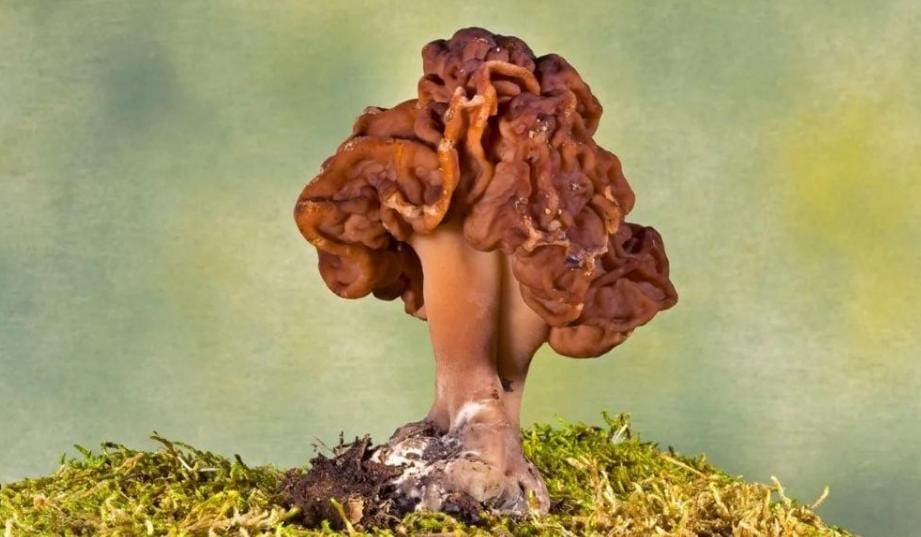
This species is unfortunately very similar to morel mushrooms. But unlike true morels, this species contains the deadly toxin gyromitrin. When gyromythrin breaks down in the body, it affects the central nervous system, causing neurological and gastrointestinal symptoms, and in severe cases can result in death.
Fly agaric

Perhaps the most iconic and well-known of all mushrooms is the fly agaric. This classic red and white spotted mushroom can be found in everything from children’s picture books and artwork to garden ornaments and video games. In popular culture, this species is particularly associated with magical creatures, fairies and gnomes.
As beautiful as these mushrooms look, they contain many different bioactive compounds. While not as dangerous and deadly as some on this list, ingestion-related deaths have been reported and should not be taken lightly. Symptoms are unpredictable. They can range from delirium and hallucinations to seizures and coma.
Paxillus involutus

We have come to the end of our list of poisonous mushroom species. This common mushroom was once considered edible after cooking and was often consumed in Central and Eastern Europe until the 1940s. It was only in 1944 that this species was found to be responsible for the death of German mycologist Julius Schäffer.
These fungi can trigger an autoimmune reaction in people who eat them over a long period of time. Once eaten, the body attacks its own red blood cells, which can lead to kidney failure, acute respiratory failure and even death.
