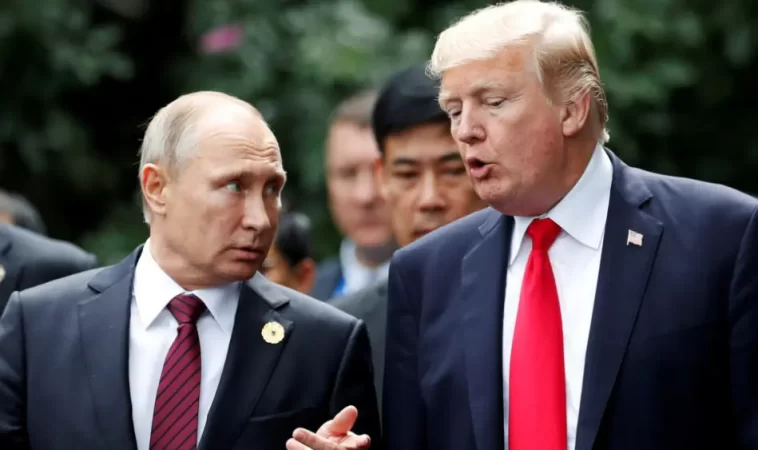
Trump rejected Putin offer to move Iran’s uranium to Russia, according to multiple sources familiar with a recent phone call between the U.S. president and Russian leader. The conversation reportedly included several proposals from Russia aimed at easing tensions related to the ongoing conflict involving Iran, but the uranium transfer plan did not gain support from Washington.
The issue centers on Iran’s growing stockpile of highly enriched uranium, a key concern for both the United States and its allies. The proposal from Moscow would have involved relocating the material to Russian territory as part of a broader diplomatic arrangement. However, U.S. officials say the idea was ultimately dismissed.
This development highlights the continuing diplomatic complexity surrounding Iran’s nuclear program, international security concerns, and the geopolitical competition among major powers.
Trump Rejected Putin Offer to Move Iran’s Uranium to Russia
The diplomatic proposal surfaced during a phone call between Donald Trump and Vladimir Putin earlier in the week.
During the discussion, Putin reportedly suggested that Russia could take custody of Iran’s enriched uranium as part of a potential agreement to de-escalate the broader conflict involving Iran. According to individuals familiar with the conversation, Trump declined the idea, maintaining that the United States has not changed its position regarding the control and security of Iran’s nuclear material.
U.S. officials say the administration remains focused on ensuring that Iran’s uranium stockpile is fully secured and does not pose a risk of being converted into weapons-grade material.
The conversation reflects ongoing efforts by global leaders to explore diplomatic pathways, even as tensions remain high.
Why Iran’s Enriched Uranium Stockpile Matters
At the center of the debate is approximately 450 kilograms of uranium enriched to 60% purity, a level that is technically close to weapons-grade. Experts say that with further enrichment, such material could potentially be converted into fuel suitable for nuclear weapons within a relatively short time.
The presence of this stockpile has become one of the main strategic objectives for both the United States and Israel. Officials have repeatedly emphasized the importance of preventing the material from being used in any nuclear weapons program.
Monitoring Iran’s nuclear activities is primarily the responsibility of the International Atomic Energy Agency, which oversees global nuclear safeguards and inspections.
However, the current geopolitical climate has complicated international cooperation on the issue.
Russia’s Role in Previous Nuclear Agreements
Russia’s suggestion to store Iran’s uranium was not entirely unprecedented. In fact, Moscow has previously played a role in managing Iran’s nuclear material.
Under the 2015 nuclear agreement known as the Joint Comprehensive Plan of Action, Russia agreed to take possession of some of Iran’s low-enriched uranium. The arrangement was intended to reduce the amount of nuclear material inside Iran while allowing its civilian nuclear program to continue under strict international monitoring.
Because Russia already possesses advanced nuclear infrastructure and storage facilities, it is technically capable of safely holding large quantities of enriched uranium.
This background is one reason why Moscow believed the proposal might be acceptable to Washington.
But the geopolitical landscape has changed significantly since the 2015 agreement.
Earlier Discussions About the Uranium Transfer
Diplomatic sources indicate that the idea of moving Iran’s uranium to Russia has surfaced multiple times during previous negotiations.
In earlier talks between the United States and Iran, Russian diplomats reportedly suggested similar arrangements as a possible compromise solution. These proposals were raised again in the months leading up to the current conflict.
However, the plan faced resistance from multiple sides.
Iranian officials previously proposed an alternative approach: instead of transferring the material abroad, the uranium could be diluted inside Iranian facilities under international supervision.
This idea would have allowed Tehran to maintain control over its nuclear program while reducing the enrichment level of the material.
The proposal was discussed but never fully implemented.
Pentagon Signals Multiple Options
While diplomacy continues, U.S. officials have made it clear that several options remain on the table.
Pete Hegseth recently addressed the issue during a press briefing, explaining that the United States is considering various approaches to prevent Iran’s highly enriched uranium from becoming a strategic threat.
According to Hegseth, one possible scenario would involve Iran voluntarily surrendering its uranium stockpile.
Another possibility, though not officially confirmed, involves the use of special operations forces to secure the nuclear material directly if the situation escalates.
Officials have not provided specific details about these contingency plans.
Trump Suggests Uranium Not the Immediate Priority
Interestingly, Trump himself appeared to downplay the urgency of the uranium issue during a recent interview.
While acknowledging the importance of the nuclear stockpile, the president suggested that it may not be the top focus at the moment.
Instead, the administration appears to be concentrating on broader strategic developments related to the conflict.
Nevertheless, U.S. officials emphasize that the uranium remains a major concern and could become a more central issue depending on how events unfold.
Russia’s Alleged Support for Iran
Another important aspect of the situation involves Russia’s relationship with Iran during the conflict.
Trump recently acknowledged that Moscow may be providing some level of assistance to Tehran. Reports have suggested that Russia could be sharing intelligence that helps Iran monitor U.S. military activity in the region.
The president framed the situation as part of a broader geopolitical balance.
According to Trump, Russia might view its actions as comparable to Western support for Ukraine during its ongoing conflict with Russia.
This dynamic illustrates the complex web of alliances shaping global security today.
The Global Strategic Picture
The broader situation highlights several intersecting geopolitical tensions:
- Iran’s nuclear program remains one of the world’s most sensitive security issues.
- Russia and the United States continue to compete for influence across multiple global conflicts.
- Diplomatic solutions are becoming increasingly difficult as mistrust grows among major powers.
Despite these challenges, back-channel discussions and high-level communications continue.
Even proposals that are ultimately rejected—like the idea to move Iran’s uranium to Russia—can play a role in shaping future negotiations.
What Could Happen Next
Experts say several possible outcomes could emerge from the current situation:
- Renewed diplomatic negotiations involving multiple international actors.
- International monitoring agreements to ensure Iran’s uranium is secured.
- Regional escalation, potentially prompting more direct intervention.
- Alternative nuclear control proposals similar to Russia’s earlier idea.
Much will depend on how Iran responds and whether global powers can reach a new framework for managing the nuclear issue.
For now, the proposal remains off the table, but the debate over Iran’s uranium stockpile is far from over.
