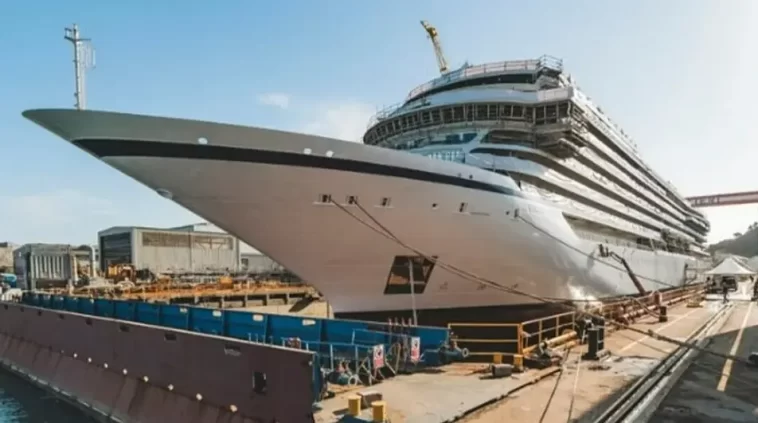
The Viking Libra hydrogen-powered cruise ship is making headlines as one of the most ambitious and environmentally friendly projects ever seen in the cruise industry. As global travel continues to shift toward sustainability, this groundbreaking vessel signals a major turning point—not just for cruise lines, but for the future of tourism itself.
A historic milestone for Viking and Fincantieri
The launch of the Viking Libra took place at the Ancona shipyard in Italy, built in collaboration with Fincantieri. The event marked a critical stage known as the “float out,” when the ship პირველად touches water after its structural build is completed.
For Viking, this milestone is more than symbolic—it represents years of investment into cleaner technologies. Chairman and CEO Torstein Hagen emphasized that reducing fuel consumption has always been central to the company’s ship design philosophy.
Unlike traditional cruise ships powered by heavy fuel oil or LNG, the Viking Libra introduces a hybrid propulsion system that integrates liquefied hydrogen and advanced fuel cells. This innovation allows the vessel to operate with zero emissions under certain conditions, making it the first of its kind globally.
How hydrogen propulsion changes everything
At the core of the Viking Libra hydrogen-powered cruise ship is a next-generation energy system. Instead of relying solely on fossil fuels, the ship uses hydrogen stored in liquid form, which is converted into electricity through fuel cells.
This process produces:
- Zero carbon emissions at the point of use
- Minimal environmental impact on sensitive marine ecosystems
- Up to six megawatts of power generation
This technological leap is especially important for routes that pass through protected or fragile regions, where stricter environmental regulations are being enforced.
The ship’s hybrid setup ensures operational flexibility, meaning it can combine hydrogen power with other energy sources when needed—making it both innovative and practical for real-world cruising.
Designed for luxury without the crowds
While the Viking Libra hydrogen-powered cruise ship is a technological marvel, it also stays true to Viking’s signature approach: smaller ships with a focus on comfort and destination immersion.
Here’s what sets it apart:
Boutique-sized experience
- Capacity: 998 passengers
- Staterooms: 499
- No overcrowded decks or mega-ship chaos
Premium onboard features
- Private verandas in every cabin
- Multiple dining venues
- A full-service Nordic spa
- Fitness and wellness facilities
This “small ship luxury” model allows travelers to enjoy a quieter, more refined experience—something increasingly valued in modern travel.
Timeline and deployment plans
Although the float-out marks a major step, the ship is still undergoing final outfitting. The Viking Libra is expected to be officially delivered in late 2026.
Once operational, it will begin its inaugural season sailing through:
- Northern Europe
- The Mediterranean
These routes are ideal for showcasing the ship’s capabilities, especially in environmentally sensitive coastal regions.
A broader shift toward sustainable cruising
The Viking Libra hydrogen-powered cruise ship is not an isolated development—it’s part of a larger transformation across the cruise industry.
Several companies are actively experimenting with greener alternatives:
- Norwegian operator Hurtigruten has already launched voyages using biofuel derived from waste materials
- Havila Voyages is combining battery power with liquefied biogas to reduce emissions by over 90%
- Viking itself is preparing another hydrogen-powered vessel, the Viking Astrea, expected in 2027
These efforts reflect growing pressure from regulators and travelers alike to reduce the environmental footprint of global tourism.
Why this matters for travelers
For years, cruising has faced criticism for its environmental impact. The Viking Libra represents a meaningful step toward addressing those concerns.
Travelers are increasingly looking for options that align with their values. A ship powered by hydrogen offers:
- A more responsible way to explore the world
- Access to eco-sensitive destinations
- Peace of mind when booking luxury travel experiences
It also redefines what “premium travel” means—shifting the focus from excess to efficiency and sustainability.
Industry recognition and future outlook
Viking has consistently ranked among the top travel brands, earning accolades from major publications like Travel + Leisure and Condé Nast Traveler. The launch of the Viking Libra further strengthens its position as a leader in innovation.
Looking ahead, hydrogen technology could become a standard in maritime travel. As infrastructure improves and costs decrease, more cruise lines may follow Viking’s lead.
The success of this vessel will likely influence:
- Future ship designs
- Environmental regulations
- Consumer expectations in the cruise market
A new benchmark for eco-luxury travel
The Viking Libra hydrogen-powered cruise ship is not about being the biggest or most extravagant vessel at sea. Instead, it sets a new benchmark—proving that luxury and sustainability can coexist.
As the cruise industry evolves, this ship stands as a clear example of what’s possible when innovation meets responsibility. For travelers planning their next once-in-a-lifetime journey, it may soon become one of the most compelling options on the water.
