
World’s most anticipated hiking trails 2026 are capturing the attention of travellers who want more than crowded landmarks and rushed itineraries. As global tourism continues to shift toward slower, experience-driven travel, hiking has emerged as one of the most meaningful ways to explore the planet.
World’s most anticipated hiking trails 2026 reflect this change clearly. New long-distance routes are opening in underexplored regions, historic paths are being reimagined, and ambitious projects are connecting coastlines, mountains and cultures like never before. According to the Adventure Travel Trade Association, hiking is now among the most popular adventure travel activities worldwide, with hundreds of millions of people hitting the trails in 2025 alone.
What makes these new routes special is not just their scenery, but their purpose. Many of them open access to places previously unreachable, support rural communities, and encourage travellers to slow down and engage with nature and local culture.
Below are the five hiking trails generating the most excitement worldwide in 2026, each offering a very different but equally compelling experience.
1. Pohorje–Kozjak Trail, Slovenia


Length: 174km
Duration: Around 15 days
Start / Finish: Maribor – Kamnica (circular)
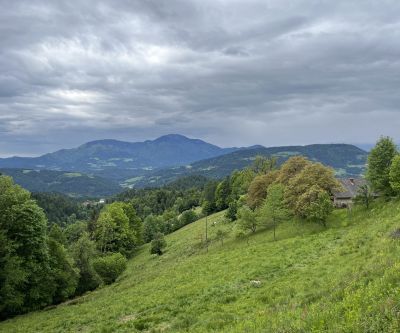
The Pohorje–Kozjak Trail is one of the world’s most anticipated hiking trails 2026 because it shines a spotlight on an overlooked corner of Slovenia. While many visitors rush toward the Julian Alps, this newly developed route invites hikers east, into a quieter and more intimate landscape.
Scheduled to open fully in June 2026, the trail forms a loop around Maribor, making logistics simple and flexible. It passes through two mountain ranges – Pohorje and Kozjak – which curve around the Drava River like a natural amphitheatre.
The route unfolds in 20 stages of moderate difficulty. Hikers walk through ancient forests, across alpine meadows, along ski slopes, and past waterfalls. One highlight is Črni Vrh (Black Peak), which rises to 1,543m and offers wide views across eastern Slovenia.
Mountain huts and local guesthouses dot the trail, encouraging interaction with small communities and regional traditions. The project was developed with strong local involvement, ensuring that tourism benefits villages rather than overwhelming them.
2. Rocky to Nordegg Rail Trail, Canada

Length: 109km
Duration: About 6 days
Start: Nordegg
Finish: Rocky Mountain House
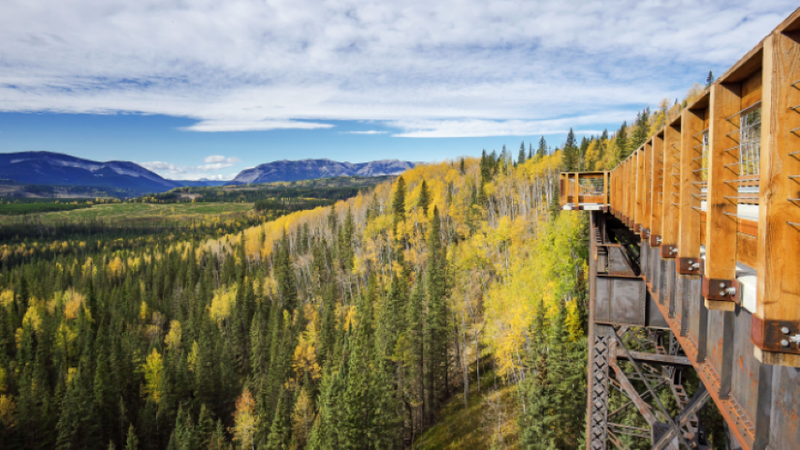
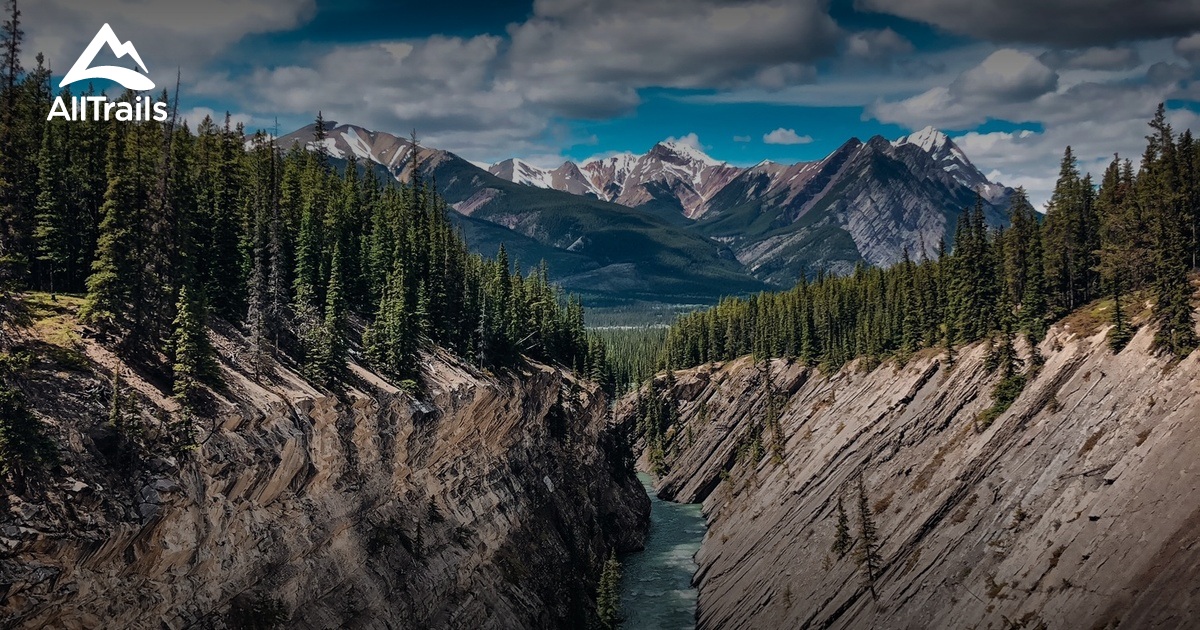
Among the world’s most anticipated hiking trails 2026, this Canadian route stands out for opening access to a previously unreachable stretch of wilderness. Located in the foothills of the Canadian Rockies in Canada, the Rocky to Nordegg Rail Trail follows a restored railway corridor through forests, lakes and historic bridges.
The trail repurposes a section of the old Canadian Northern Western Railway, including the dramatic Taunton Trestle Bridge. As of late 2025, around half of the route is already open, with further sections scheduled to open throughout 2026.
What makes this trail especially appealing is its year-round vision. In summer, it welcomes hikers and cyclists; in winter, it is designed for snowshoeing, cross-country skiing and dogsledding. Along the way, hikers encounter traces of Alberta’s pioneering past, blending history with raw nature.
The terrain ranges from moderate to challenging, making it ideal for experienced hikers looking for a quieter alternative to nearby national parks.
3. King Charles III England Coast Path, England
Length: 2,700+ miles
Duration: Approximately 5 months
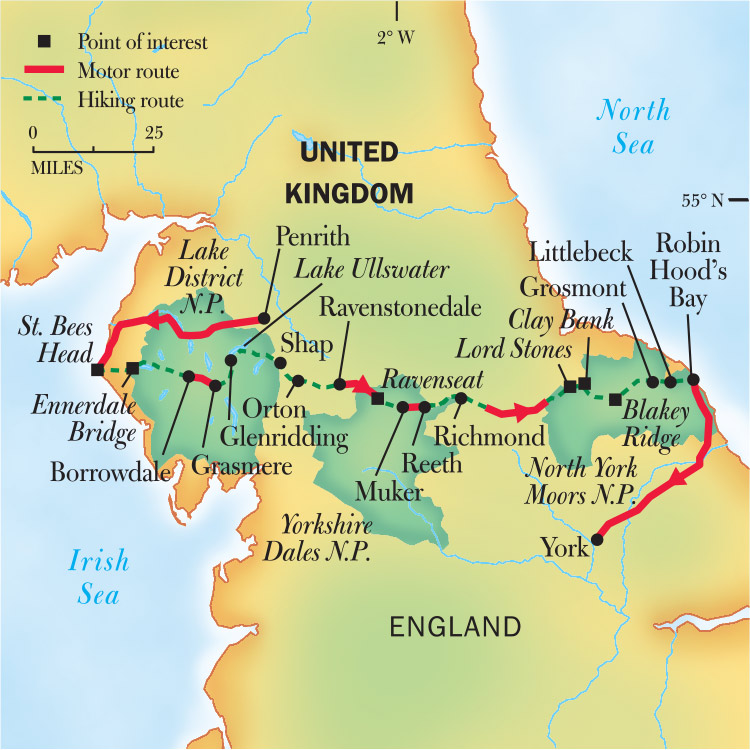
Start / Finish: Scottish border (north-east to north-west)
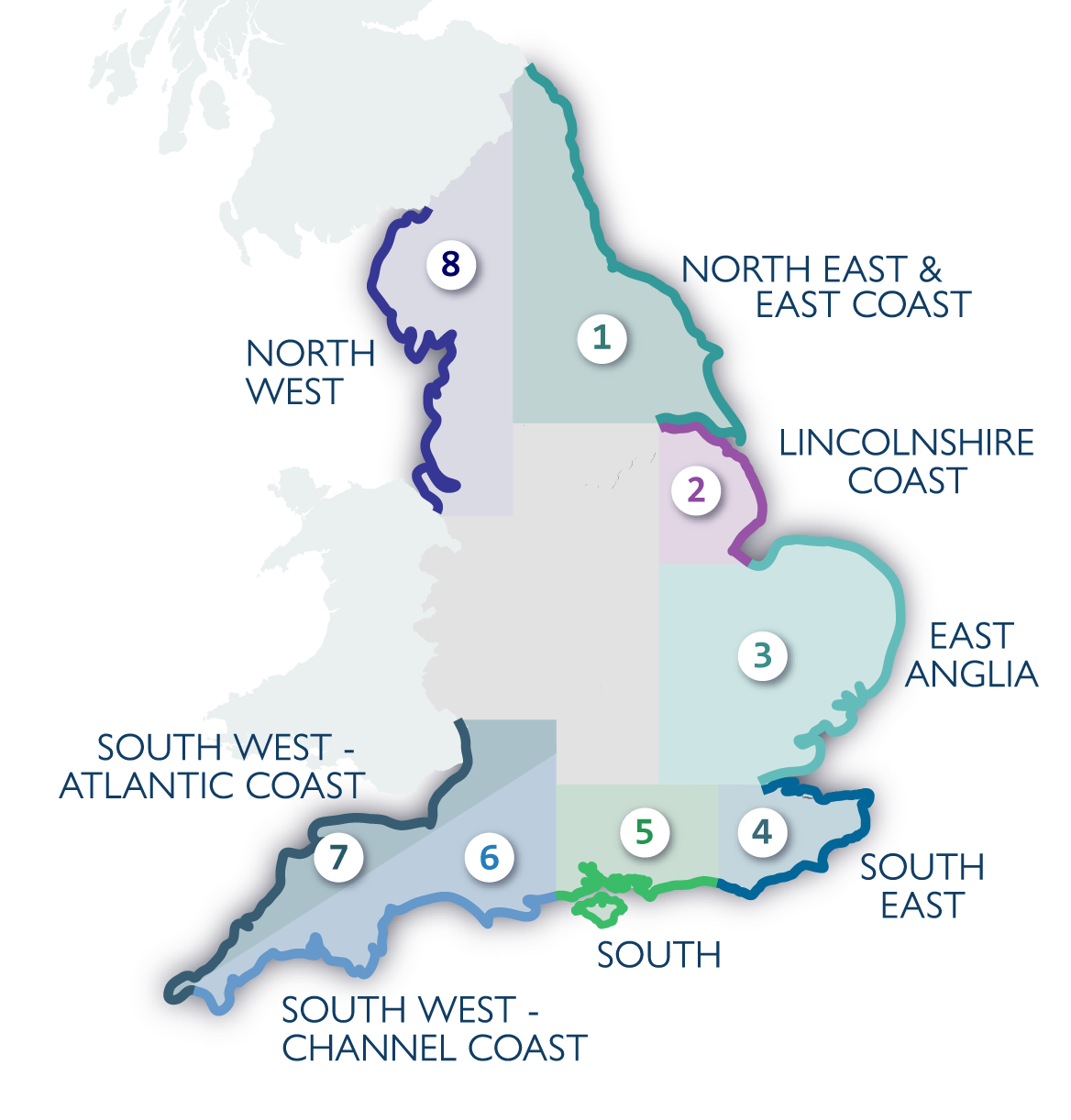
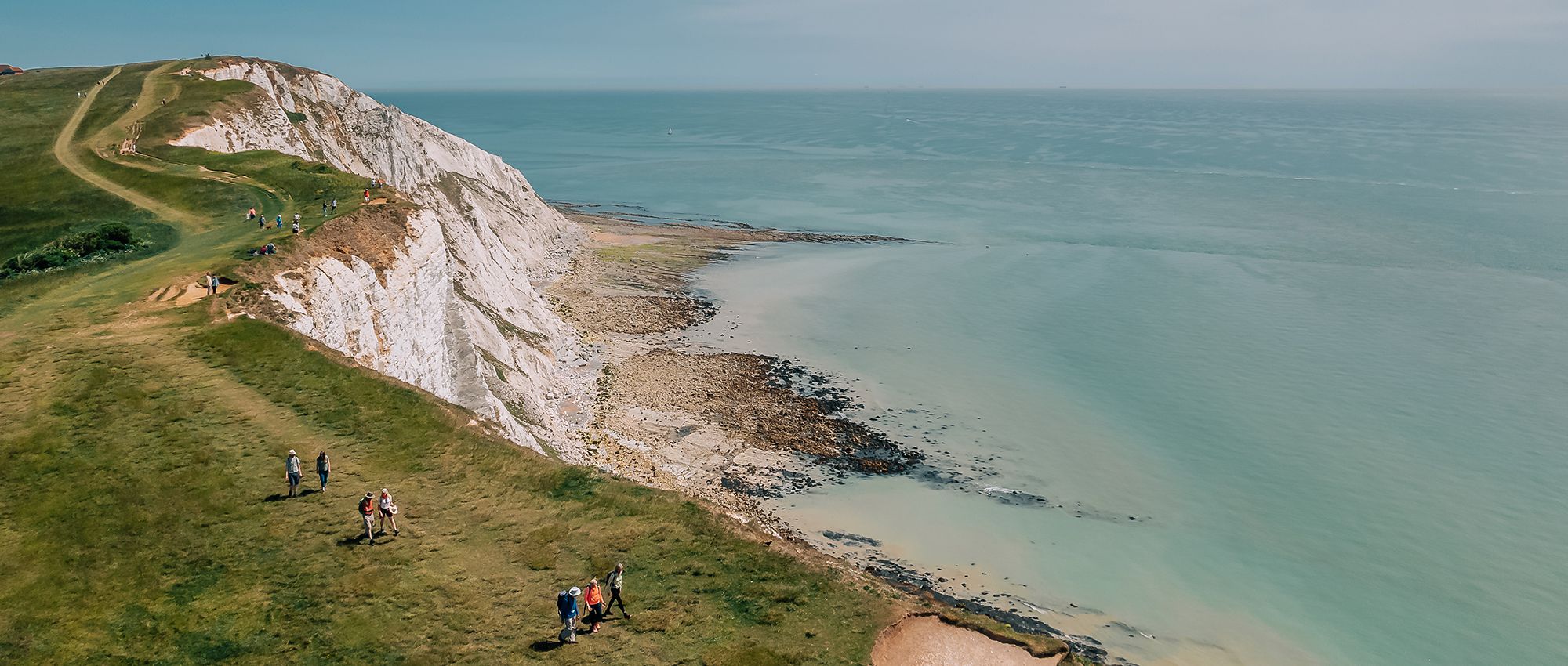
When completed in summer 2026, the King Charles III England Coast Path will become the longest managed coastal trail in the world, securing its place among the world’s most anticipated hiking trails 2026.
Encircling the entire coastline of England, the route has been developed gradually since 2009 and officially renamed in 2023 to mark the coronation of King Charles III. More than 2,000 miles are already open, with final sections nearing completion.
This is not a single experience but hundreds of them. The trail passes sandy beaches, white cliffs, estuaries, fishing villages, farmland and historic ports. Walkers pass through cities like Brighton and Southampton, explore castle ruins, and can even connect with Hadrian’s Wall in the north-west.
Managed by Natural England, the path balances access with conservation, ensuring fragile coastal ecosystems are protected while remaining open to the public.
4. East Mallorca GR-226, Mallorca

Length: 100km
Duration: 4 days
Start: Cales de Mallorca
Finish: Cala Rajada
Completed in January 2026, the East Mallorca GR-226 offers a gentler but deeply rewarding experience, earning it a spot among the world’s most anticipated hiking trails 2026.
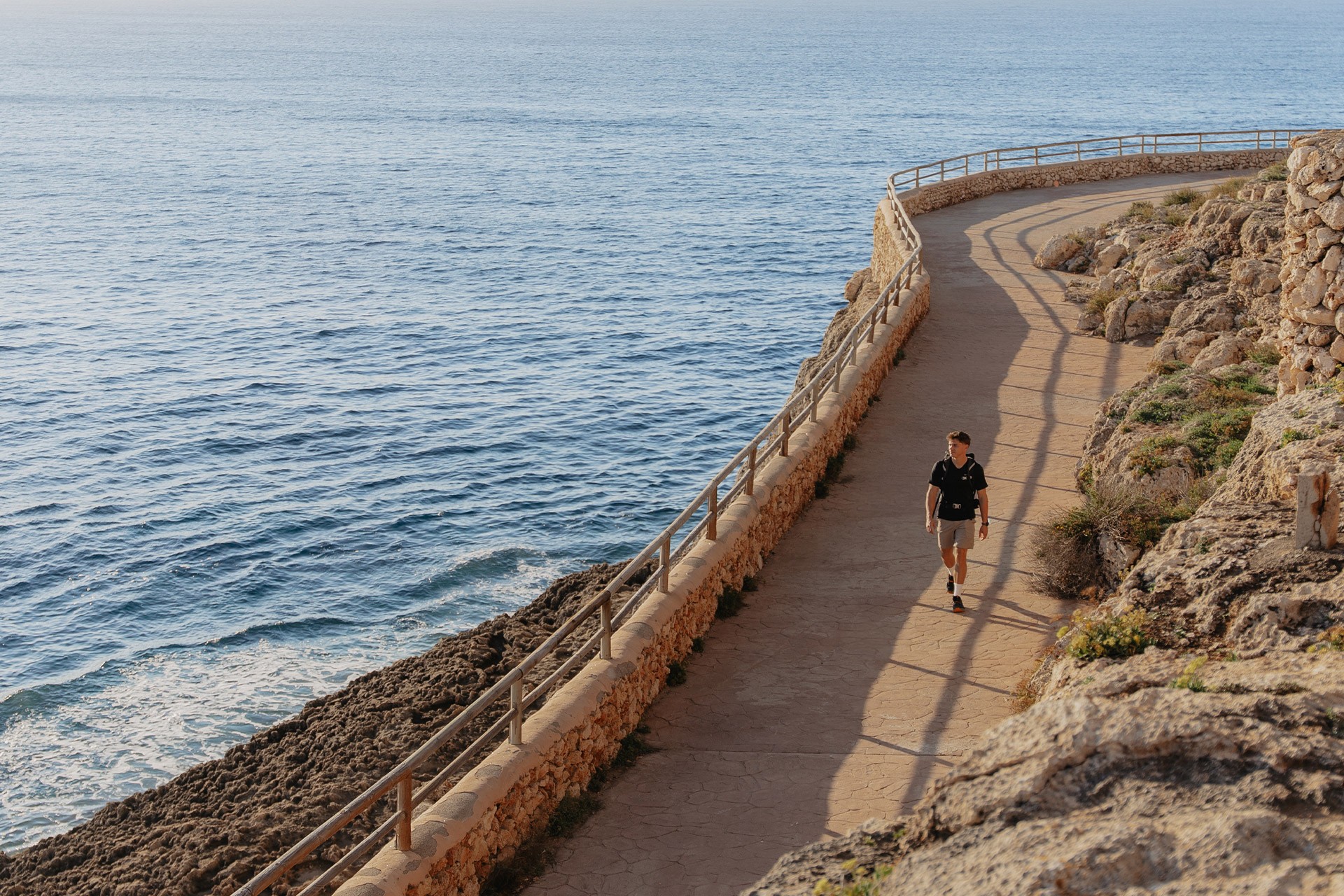
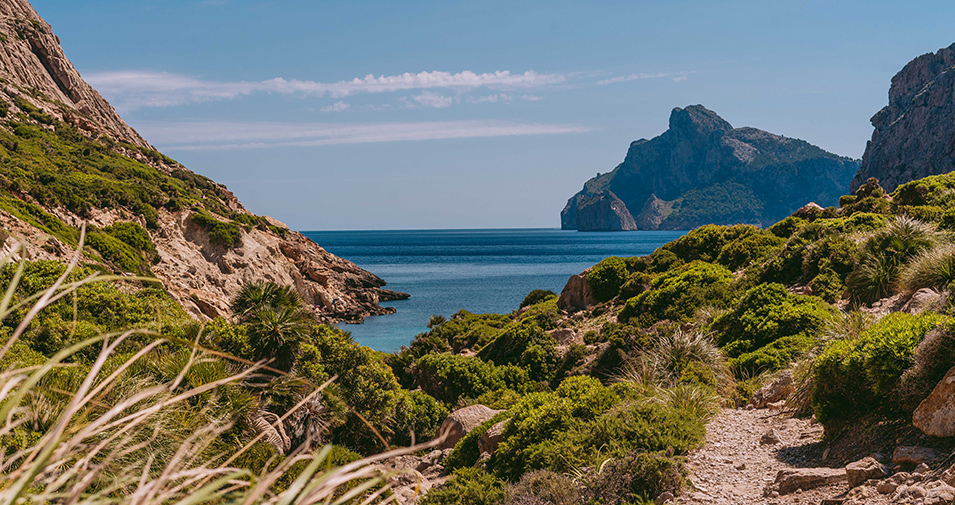
Located on the eastern side of Mallorca, the trail combines easy trekking with cultural discovery and seaside relaxation. Divided into four stages of roughly 25km, it features minimal elevation gain, making it accessible to a wide range of hikers.
The route moves between coastal paths and inland villages, passing vineyards, farms and archaeological sites. Highlights include the 13th-century Bellpuig Monastery and Ses Païsses, a Bronze Age settlement over 3,000 years old.
Each day ends near beaches with turquoise water, offering hikers the rare chance to combine long walks with swimming and rest.
5. Dongseo Trail, South Korea
Length: 849km
Duration: About 55 days
Start: Anmyeondo Island
Finish: Uljin
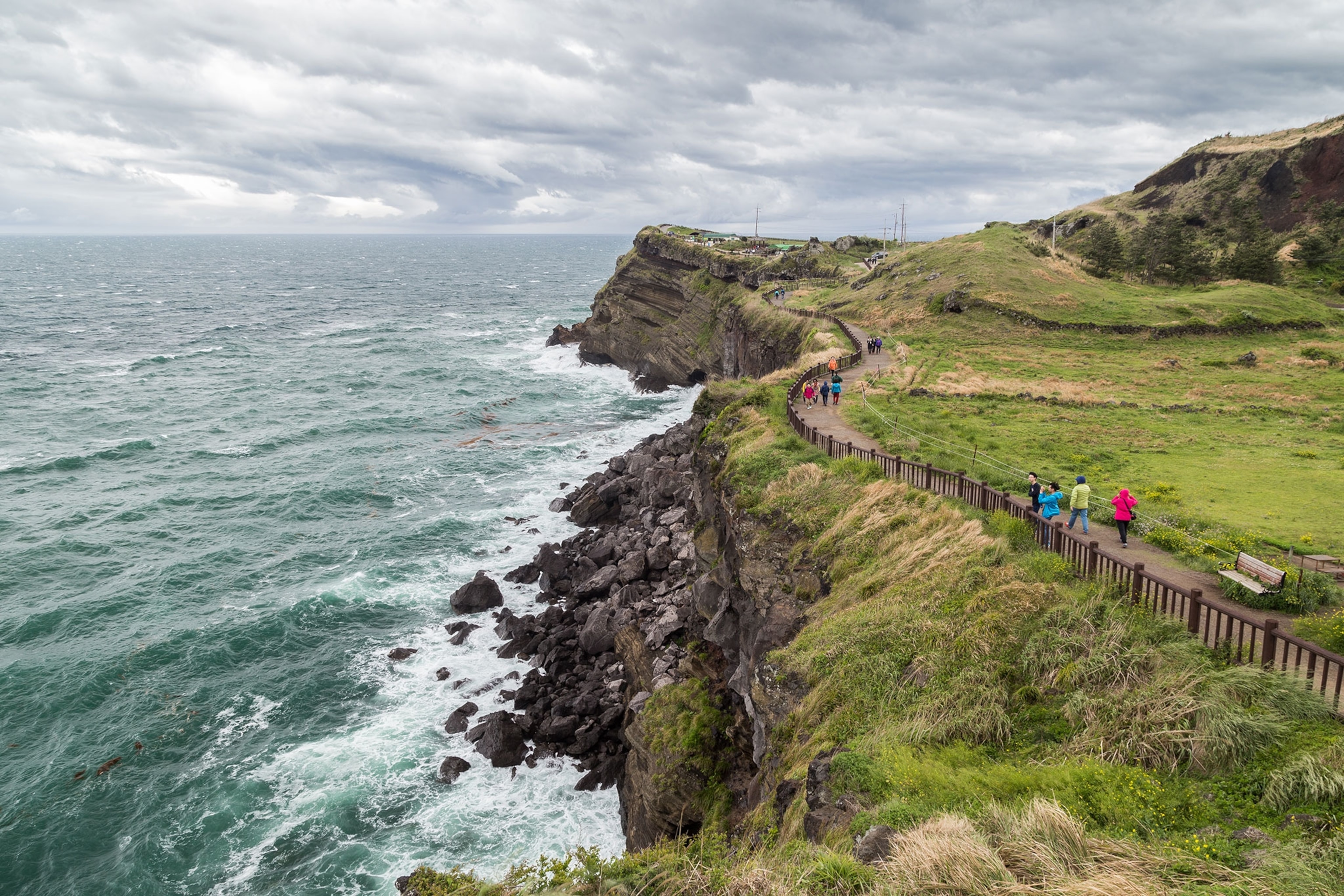
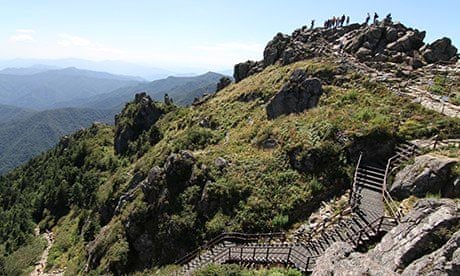
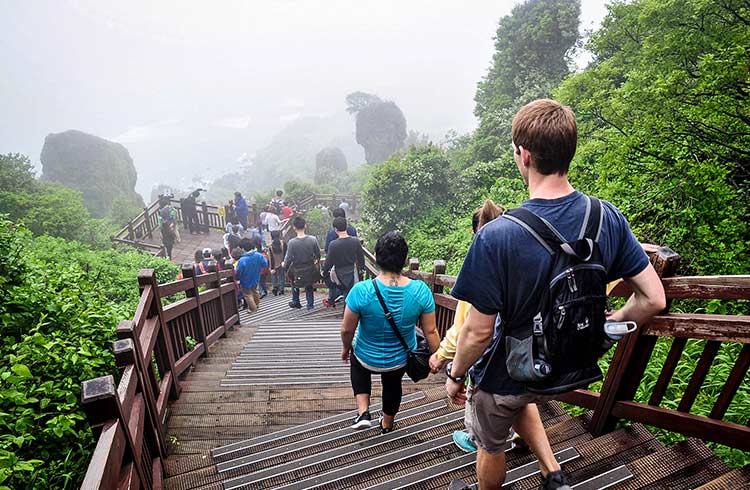
The Dongseo Trail is one of the most ambitious projects on this list and a defining entry among the world’s most anticipated hiking trails 2026. When fully completed in 2027, it will become South Korea’s first coast-to-coast hiking trail, stretching from the Yellow Sea to the East Sea.
Developed by the Korea Forest Service, over 70% of the trail is already complete, and several western sections are open to hikers now. Daily stages average around 15km, making it manageable despite its length.
The route follows parts of the Baekdu-Daegan Mountain Range, often called the backbone of the Korean Peninsula. Along the way, hikers pass beaches, dense forests, rice fields, Unesco World Heritage sites, ancient Buddhist temples and more than 200 villages.
Often described as “Korea’s Camino de Santiago,” the Dongseo Trail blends physical challenge with spiritual and cultural depth.
