
The Beatles’ Abbey Road album cover is one of the most recognizable images in music history. Shot in August 1969 outside EMI Studios in London, the photo of John, Paul, George, and Ringo walking across the zebra crossing has become a cultural icon. But behind this simple image lies a fascinating story filled with quirky details, unexpected decisions, and legendary myths. In this article, we explore 11 interesting facts about the Abbey Road album cover—from its original working title “Everest” to the famous conspiracy theories sparked by Paul McCartney’s barefoot appearance. Whether you’re a Beatles fan or a lover of pop culture history, these Abbey Road facts will give you a deeper appreciation of the Fab Four’s final masterpiece
1. The album’s working title was the Everest,its named after the cigarettes that sound engineer Geoff Emerick smoked. The packets had a silhouette of “Mount Everest” on them and The Beatles liked the imagery.
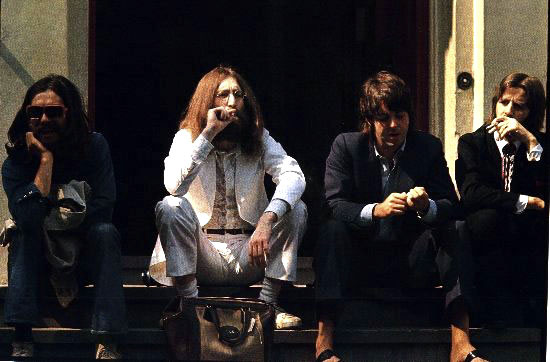
2. Originally, they first planed to take a private plane over to the foothills of Mount Everest to shoot the cover photograph. But as they became increasingly eager to finish the album Paul McCartney suggested they just go outside, take the photo there and name the album after the street.

3. The photo was taken at around 11:30 am, on the morning of August 8th 1969 outside EMI Studios on Abbey Road. Photographer Iain Macmillan was given only ten minutes to take the photo whilst he stood on a step-ladder and a policeman held up the traffic.
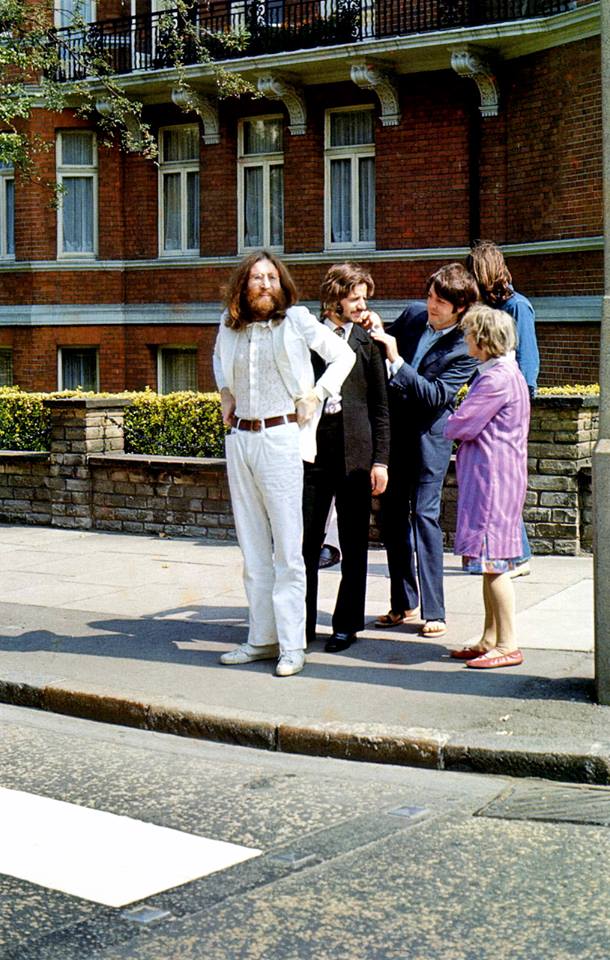
4. With the exception of Harrison, the group are all wore suits designed by Tommy Nutter.
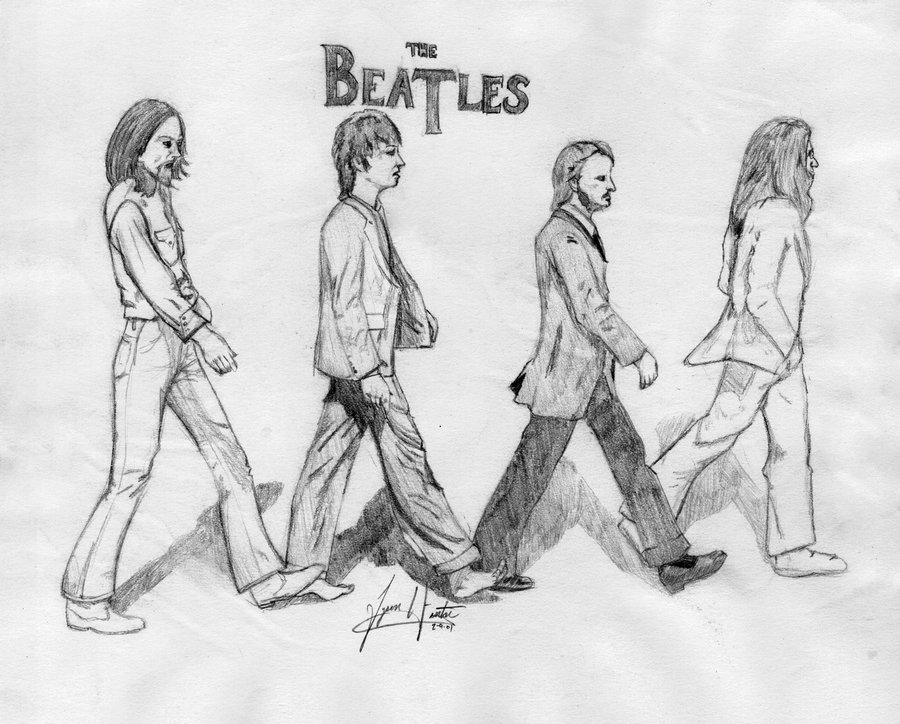
5. McCartney wore sandals for the first two shots, but afterwards took them off and walked barefoot. This action became one of the ‘clues’ in the Paul Is Dead myth, which began in 1969 September .
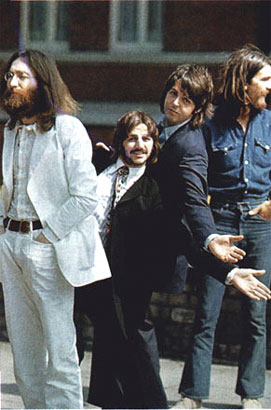
6. During shots 1, 2, 3, 4 and 6 the group were walking out of step. However, the fifth shot was perfect, and it was this, which was selected by Paul McCartney for the album.
7. It’s the only original UK Beatles album sleeve to show neither the artist name nor the album title on its front cover.

8. After the album was released, the number plate of the white Volkswagen Beetle, which belonged to one of the people living in the block of flats across from the recording studio was repeatedly stolen from the car.
9. In 1986, the car was sold at auction for £2,530 and in 2001 was on display in a museum in Germany.
10. The man standing on the pavement to the right of the picture is Paul Cole an American tourist, who was totally unaware he had been photographed until he saw the album cover months later.

11. In December 2010, the crossing was given grade II listed status for its “cultural and historical importance”
ads
[wp_ad_camp_2]
