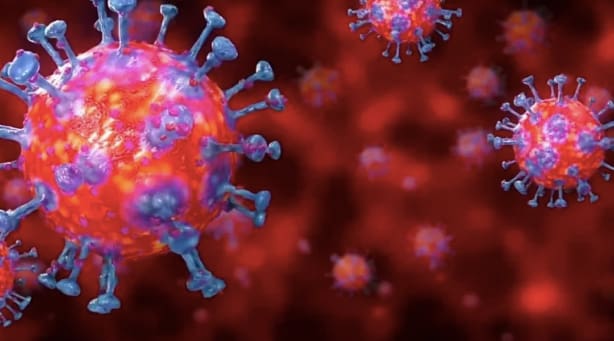
Corona virus disease (COVID-19), a death caused by the SARS-CoV-2 virus. Anyone who has contracted COVID-19 can be administered mildly to moderately and should not be administered in a special way. He is seriously ill and needs help with children.Doctors will try to determine the best treatment for the patient.
The incubation period lasts 7 to 14 days. The symptoms of SARS-CoV-2 can take some time to appear. The first signs include high fever, headache, chills, muscle aches, sometimes with nausea and vomiting. The symptoms can progress to severe shortness of breath, chest pain, and fluid in the lungs, which can cause a potentially fatal pneumonia. In some cases, the disease causes inflammation of the nervous system, which can lead to paralysis.
There is no specific treatment for CoVID-19 at the moment, so doctors will treat the patient’s symptoms, such as fever and breathing difficulties, with a variety of drugs. However, the development of effective drugs is not yet possible.
The SARS-CoV-2 virus infects only humans. The virus can infect both people and animals. The virus is transferred from person to person through contact with bodily fluids.
SARS-CoV-2 is transmitted by droplets of infectious fluid that are expelled into the air by coughing or sneezing. Anyone who is within three meters of an infected person can be infected. Therefore, it is important to avoid close contact with patients.
Animals such as cats, dogs and civets can also be infected by the virus, and then spread it to humans. In the early stages, a human infection with SARS-CoV-2 is difficult to distinguish from a common cold. Therefore, experts recommend avoiding contact with animals that are suffering from a fever.
If an infected person is suspected, it is important to take measures to prevent the spread of the virus. Anyone who has been in contact with the patient should wash their hands immediately and thoroughly.
The infection can be prevented by avoiding close contact with the patient and by taking personal hygiene measures.
It is possible to prevent the infection of CoVID-19 by avoiding close contact with patients and by taking care of personal hygiene measures.
It is very difficult to prevent the spread of the virus because it is very infectious. The virus can spread in hospitals, schools, hotels, planes, and other public places.
Scientists have made progress in the development of vaccines for CoVID-19. Initial results have shown that the vaccine is effective in preventing the transmission of the virus.
At the moment, there is no treatment for CoVID-19.
The SARS-CoV-2 virus belongs to the genus Betacoronavirus, which belongs to the family Coronaviruses. The virus is closely related to the SARS-CoV-1 virus, which caused SARS. The virus consists of a single strand of RNA, which is not surrounded by a lipid envelope.
SARS-CoV-1, the SARS virus that caused the SARS epidemic, is closely related to the SARS-CoV-2 virus. The SARS-CoV-2 virus was identified in a patient from Qatar in April 2016. The SARS-CoV-2 virus is genetically distinct from other SARS viruses.
Symptoms of COVID-19 are often variable, but common symptoms include fever, cough, fatigue, difficulty breathing, anosmia (loss of sense of smell), and loss of sense of taste. If patients have the symptoms of COVID-19, doctors should conduct an evaluation for the disease and request a blood test for COVID-19 serum levels. “People with COVID-19 should be followed closely by a pulmonologist,” said Dr. Geddes. “The disease is variable in severity, with both acute and chronic forms. There are also several severe complications, such as acute respiratory failure, seizure, and stroke.” The diagnosis of COVID-19 is made by detecting the presence of serum antibodies, which are elevated in COVID-19 patients. A blood test can determine if a patient has COVID-19 and is not caused by another condition. There is no cure for COVID-19, but the disease can be managed.
