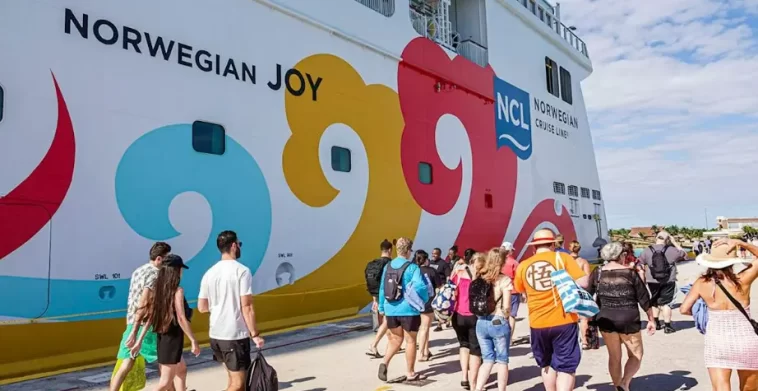
Cruise passengers react to Norwegian Cruise Line dress code changes after the company introduced stricter rules at several of its premium onboard restaurants. The new policy has sparked heated debate across social media platforms, with some travelers calling the change unnecessary while others believe it brings back a sense of elegance to cruise dining.
The controversy centers around updated clothing requirements for select specialty restaurants operated by Norwegian Cruise Line. The cruise brand, long known for its relaxed “freestyle cruising” philosophy, has begun enforcing more formal attire standards in certain dining venues.
For a cruise line that built its reputation on flexibility and casual vacation experiences, the decision has surprised many loyal customers.
Why Cruise Passengers React to Norwegian Cruise Line Dress Code
The policy affects several high-end restaurants across the fleet. According to official information published by the company, restaurants such as Palomar, Ocean Blue, Onda, Cagney’s, Le Bistro and Haven now require guests to dress more formally when dining there.
Under the updated rules, passengers may no longer enter these restaurants wearing items such as:
- Shorts
- Flip-flops
- Tank tops
- Hoodies
- Bathrobes
- Torn or ripped jeans
- Hats or caps
- Clothing displaying offensive text or imagery
The new guidelines effectively introduce a smart-casual or semi-formal standard in these dining areas.
For many cruise travelers, this represents a significant shift from the laid-back atmosphere that has traditionally defined the brand.
Social Media Backlash from Travelers
The strongest reactions have come from frequent cruisers who say the policy contradicts the company’s long-standing identity.
On social media, some travelers voiced frustration about the expectation of bringing more formal clothing on vacation. One traveler commented that the rule seemed unreasonable for warm-weather cruises, particularly in destinations where casual attire is typical.
Another passenger pointed out that packing formal clothing simply for a few dinners can be inconvenient, especially when luggage space is limited.
Some critics argued that the brand’s “freestyle cruising” concept—which promoted relaxed schedules and minimal dress restrictions—was one of the main reasons they chose the company over other cruise lines.
For these travelers, the new dress code feels like a step backward from the flexibility they have come to expect.
Supporters Say the Change Improves Dining Experience
Despite the backlash, not everyone is unhappy with the new policy.
A number of cruise fans have welcomed the change, arguing that stricter attire rules elevate the dining atmosphere. Supporters believe that upscale restaurants should maintain a level of sophistication that matches their cuisine and service.
Some passengers say that dressing slightly more formally enhances the overall experience and creates a more refined environment.
Others simply view the requirement as reasonable etiquette when dining in premium restaurants.
The debate highlights a broader difference in expectations among cruise travelers—some prefer a relaxed vacation style, while others appreciate traditional elegance during special meals.
Norwegian Cruise Line’s History of Casual Cruising
The reaction has been particularly strong because of the company’s history.
Founded in 1966, Norwegian Cruise Line has spent decades positioning itself as an innovator in the cruise industry. One of its most influential ideas was “freestyle cruising,” a concept designed to eliminate rigid schedules and formal dress codes that once dominated cruise vacations.
Instead of assigned dining times and strict formal nights, passengers were encouraged to enjoy their trips at their own pace.
This approach helped reshape modern cruising and attracted millions of travelers who preferred a more relaxed holiday atmosphere.
Today the company operates a fleet of contemporary ships sailing to hundreds of destinations around the world.
Restaurants Affected by the Dress Code
The dress code applies primarily to select specialty dining venues, which typically charge an additional fee and offer higher-end culinary experiences.
Among the restaurants affected are:
- Palomar – Known for Mediterranean-inspired seafood dishes
- Ocean Blue – A popular seafood restaurant aboard several ships
- Onda – Featuring Italian cuisine
- Cagney’s Steakhouse – One of the brand’s signature steakhouses
- Le Bistro – A French fine-dining venue
- The Haven Restaurants – Exclusive dining areas reserved for suite guests
These restaurants are designed to provide a premium dining environment, which may explain why the company decided to introduce stricter attire guidelines.
The Business Perspective Behind the Policy
Industry analysts say the change may reflect a broader strategy within the cruise industry.
Many cruise companies now offer multiple tiers of dining experiences—from casual buffets to high-end specialty restaurants. Premium venues are often marketed as upscale experiences that rival land-based restaurants.
By introducing a more refined dress code, the company may be trying to align the atmosphere of these venues with their premium branding.
Some hospitality experts also note that attire policies can help maintain a consistent guest experience. Restaurants with stricter standards often aim to create a particular ambiance, which includes both décor and guest presentation.
How Cruise Lines Balance Casual and Formal Experiences
The debate surrounding the dress code illustrates a common challenge faced by cruise lines.
On one hand, travelers increasingly expect relaxed vacation environments. On the other, many guests still enjoy traditional elements of cruising, including elegant dinners and special events.
Cruise companies often attempt to strike a balance by offering both options—casual dining for everyday meals and more formal experiences for special occasions.
The updated policy appears to follow this approach by limiting the dress code to specific restaurants rather than enforcing it across the entire ship.
What Passengers Should Expect Going Forward
For travelers planning future voyages with Norwegian Cruise Line, the new rules mean it may be wise to pack at least one or two smart-casual outfits if they intend to dine at premium restaurants.
Typical acceptable attire may include:
- Collared shirts
- Slacks or dress pants
- Dresses or skirts
- Closed-toe shoes
Casual clothing is still widely accepted throughout most of the ship, including buffets, casual restaurants, pool areas and entertainment venues.
Because the policy affects only certain dining spaces, passengers who prefer a completely relaxed wardrobe will still have plenty of options.
A Conversation That Reflects Changing Travel Trends
The strong reactions online demonstrate how passionately people feel about their vacation experiences.
For some travelers, cruising is about total relaxation and freedom from everyday rules. For others, part of the enjoyment comes from dressing up and enjoying elegant evenings at sea.
As cruise travel continues to evolve, companies must constantly balance these different expectations.
Whether the new dress code remains permanent or evolves further may depend largely on passenger feedback in the coming months.
What is clear is that even a small change in policy can spark major discussion among loyal travelers.
