Tomodachi Life items are at the heart of everything you do on your island. Feeding your Miis, decorating their rooms, gifting them new toys, dressing them up — all of it comes down to the items you collect, unlock, and manage. And in Tomodachi Life: Living the Dream, the catalog is absolutely massive.
We’re talking thousands of collectibles spread across multiple categories. If you’ve ever stared at your item catalog feeling overwhelmed, this guide is for you.
What Is the Item Catalog?
The Item Catalog is your in-game inventory tracker. It records every item you’ve discovered across every category — food you’ve fed your Miis, clothes you’ve gifted them, objects you’ve placed on the island, and treasures you’ve collected. You can open it from the main menu at any time to see what you have and what you’re still missing.
Each category has its own count, and completionists will quickly realize that filling this thing out is a serious long-term project. Here’s a full breakdown of every item category in the game.
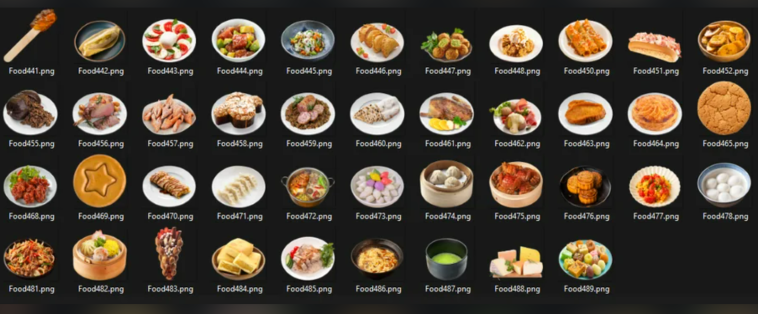
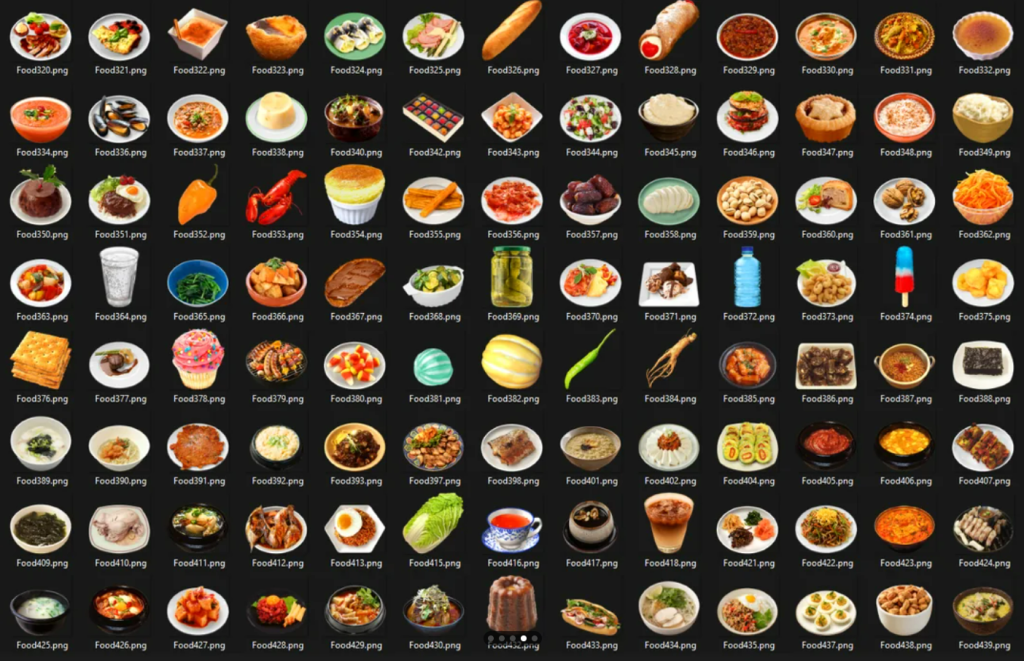
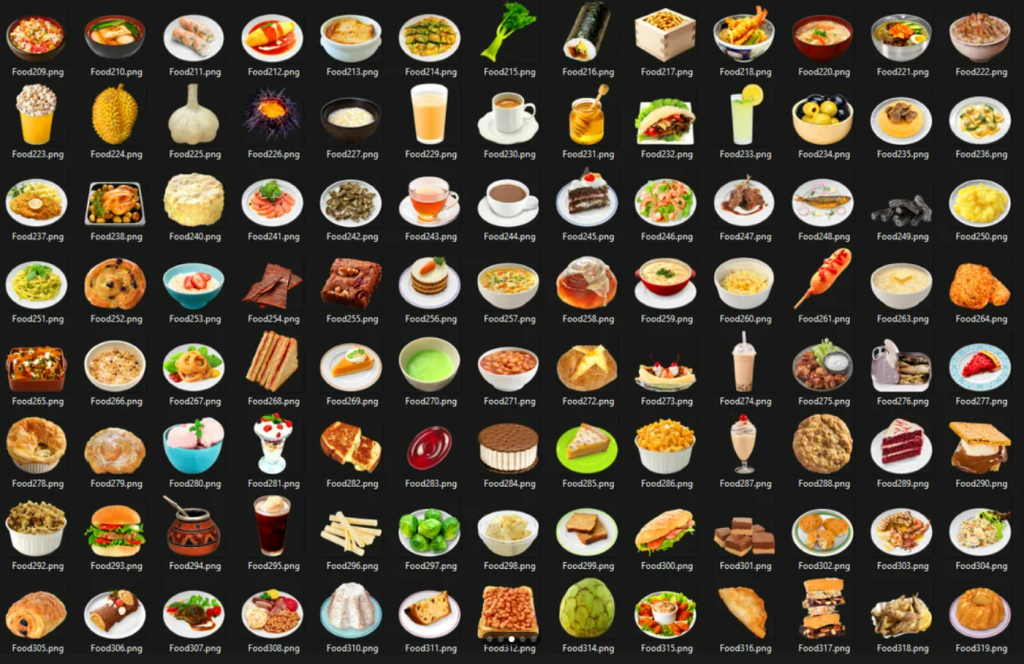
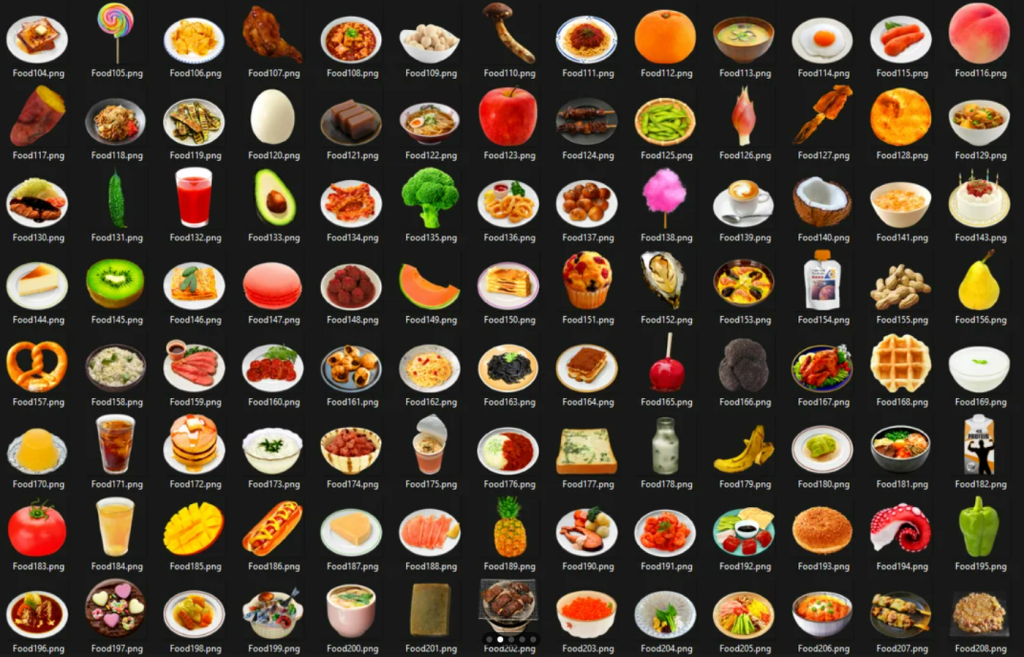
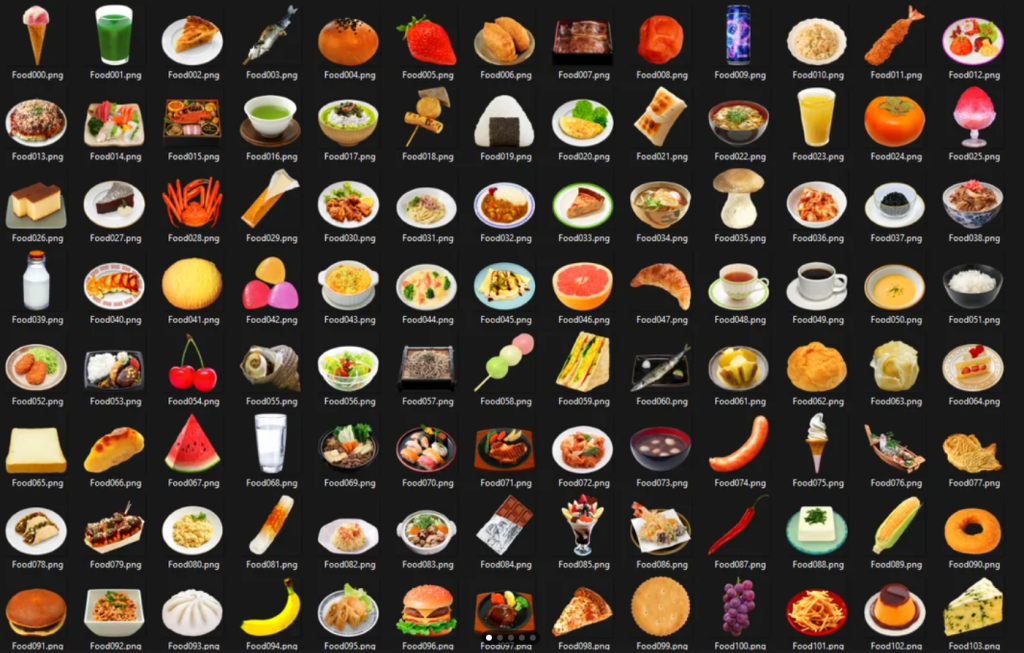
🍔 Food Items — 465 Total
Food is the biggest single item category in the game, and it’s one you’ll interact with every single day. Food items relieve the hunger of your Miis, and each one fills the satiety meter by a different amount depending on the type of dish.
The food catalog is split into four types:
- Main Dishes — The heaviest meals that fill the hunger meter the most. Things like Paella or Steak can fill a Mii’s stomach up to 90%. These are also the most expensive items at the grocery store.
- Side Dishes — Lighter meals that fill the meter halfway. Salads, soups, sandwiches — solid everyday options.
- Desserts & Snacks — Items like Candy Apple, Cotton Candy, S’mores, Chocolate, and Lollipops. Use these when a Mii is almost completely full but you want to squeeze out just a little more experience.
- Beverages — The lightest option, barely filling the meter. There are 24 beverages in total. Great for small top-ups without wasting a big meal.
Each Mii has their own food preference — if you give them something they really love, you’ll see unique animations. Eating food also increases a Mii’s Happiness bar, which, when filled, causes them to level up.
A few important things to keep in mind:
- Miis will refuse to eat the same food twice in a row, so keep your pantry stocked with variety.
- Some items — like Cheese Boards, Mithai, and Matcha — cannot be purchased on your island, since they’re souvenir items Miis might bring back when you hand out Travel Tickets.
- The game intentionally throttles your food supply to keep you logging in every day — you won’t have access to all 465 items on day one.
👗 Clothing Items — 8,356+ Pieces
Clothing is the most expansive item category in terms of sheer variety. Tomodachi Life clothes are purchased at the “Wear and Wear” shop, and outfits are now separated into individual pieces — tops, dresses, bottoms, and hats.
Most clothing pieces have multiple color variants, all tracked in the item catalog. There are also seasonal-themed items that appear randomly in the shops. A special rainbow checkmark icon will appear on entries of clothing pieces where you have acquired all the color variations.
Once unlocked, the Marketplace will offer random deals on outfits and pieces at certain times of the day — check regularly for unusual bargains.
Beyond buying, you can also design your own clothing in the Palette House Workshop, with space for up to 300 custom clothing designs — the highest storage limit of any custom item category.
🎁 Goods (Prezzies) — 16 Items
Prezzies are giftable items you give to Miis when they level up. They’re not decorations or food — they’re interactive objects your Miis will actually use in their daily lives.
There are 16 primary goods, including the Sewing Machine — which allows a Mii to create a random clothing item — and the Switch Console, which lets them play games in their room. New to Living the Dream is the Smartphone item, which enables Miis to take “selfies” that the player can then view in the Photo Gallery.
Other goods like the Kaleidoscope or the Swing Set provide short-term happiness boosts and unique mini-cutscenes when used.
You unlock new Goods by leveling up the Wishing Fountain at the center of the island. When unlocked with a wish, a Good becomes available to give to Miis that level up.
💎 Treasures — 247 Total
Tomodachi Life: Living the Dream features an absurdly massive catalog of 247 different treasures, and the game does not just hand them to you for being a good player. You have to actively hunt them down by participating in the weirdest side activities the island has to offer.
Treasures are collectibles primarily used for making money. You sell them at the Pawn Shop (called Rite Price) for credits, which you then spend on clothes, room renovations, and island buildings.
How do you get them?
- Mii interactions — Treasures serve as the primary source of income, consisting of 247 unique collectibles that Miis give to the player after successful interactions.
- Minigames — Play games like Moving Cups or the Ferris Wheel spinner with your Miis. Win and you get a Prize Box. Lose and — here’s the funny part — the Mii takes pity on you and hands you a Box of Tissues or a single roll of Toilet Paper. These items count towards your overall treasure collection, so you have to throw at least a few matches just to grab the toilet paper for your inventory.
- Mii Dreams — When a Mii is sleeping and has a purple dream bubble above their head, tap it. You’ll be whisked into their dream and rewarded with a treasure when they wake up — items like a restaurant menu, a porcini mushroom, a bird feather, a stopwatch, or a globe, depending on the type of dream.
- Travel Tickets — Sending a Mii on a tour will result in them bringing back an exclusive treasure or food item that can only be found on that tour.
Notable high-value treasures include a Gold Bar (worth 1,000 credits, found in Large Prize Boxes) and a Pet Horse (occasionally gifted after a Mii returns from vacation — reportedly the most valuable treasure in the game).
🛋️ Interior Sets — 272 Total
The Interior Sets category contains room designs and home themes for your Miis, with a total of 272 Interior Sets available.
These are bought at the Renovation Centre and transform the inside of a Mii’s home — the furniture, flooring, wall color, and overall vibe. Everything from cozy cabin setups to sleek futuristic rooms is in there. A bunch of interior sets can also be unlocked through the Wishing Fountain — and each time you unlock one, you not only make it available to buy, you also receive a free copy.
🪑 Objects — 365 Total (+ 74 Island Objects)
There are 74 objects available in Tomodachi Life: Living the Dream. Objects are decorative pieces of furniture that players can place wherever they want on the island. You can obtain objects by purchasing them from the Quik Build Amenities Shop.
But hold on — the full Objects category in the Item Catalog actually lists 365 items including placeable creations from the Palette House. When buying an object at the Quik Build Amenities Shop, players can choose which color of the object they want — available colors include blue, green, yellow, red, dark brown, light brown, and more.
🌱 Landscaping — 19 Items
The Landscaping category contains the ground tiles and scenery pieces used to customize your island, with a total of 19 items in the category.
These tiles let you change the terrain beneath your feet — replacing the default grass with sand, snow, stone paths, or more exotic surfaces. It’s a small category but makes a big visual difference when you’re designing your island layout.
🎭 Little Quirks — 74 Total
The Little Quirks category contains the small behavior traits your Miis can learn, with a total of 74 Little Quirks available.
These aren’t items you place or give — they’re personality modifiers that change how a Mii moves, talks, and behaves day to day. Some are cosmetic (a different walking style, a funny pose) and some have real gameplay impact. The Big Eater quirk, for example, expands a Mii’s stomach capacity to 125%, letting you feed them more food per session and level them up faster.
How to Get More Items
The main ways to expand your catalog:
The Wishing Fountain is the core unlock mechanic. You earn Warm Fuzzies by keeping your island’s Mii residents happy — feeding them, rubbing their head when they’re down, helping them make friends. These points fill up the Wishing Fountain, and once it overflows, you earn a Wish to spend on unlocking new features, buildings, and items.
The Shops — Where and Wear (clothing), Fresh Kingdom (food), Quik Build Amenities (objects), Renovation Centre (interiors), and the Marketplace (daily deals and mystery bags at night).
The Palette House — Customization in Living the Dream lets you create your own designs for food, clothes, objects, pets, treasures, and house interiors using your own drawings. These count toward your catalog too.
Travel Tickets — Send Miis on tours and they come back with exclusive items unavailable in any shop.
Tips for Completing Your Catalog
- Check the shops daily. Clothing at Where and Wear rotates, and the Marketplace has limited-time deals that disappear when the day resets. Miss it and it might be weeks before you see it again.
- Don’t skip Mii dreams. Every sleeping Mii with a dream bubble is a free item. Get in the habit of checking before you log off.
- Lose minigames on purpose sometimes. Yes, really. Some trash-tier treasures like Toilet Paper and Box of Tissues only drop when you lose — and you need them to complete the catalog.
- Prioritize Warm Fuzzies early. The faster you level up the Wishing Fountain, the faster you unlock new Goods, Quirks, and other items that you simply can’t get any other way.
- Use Travel Tickets regularly. Several food and treasure items are travel-exclusive. They don’t appear in any shop on your island. Tours are the only way.
Final Thoughts
The Tomodachi Life item catalog is one of the most satisfying things to chip away at in a life-sim game. It’s never urgent — nobody is forcing you to collect all 465 foods or every color variant of every piece of clothing — but the more you understand what’s out there and how to get it, the more fun the game becomes.
Your island is a living thing. The items you collect, the rooms you furnish, the Miis you dress — it all adds up to something that feels genuinely yours. And with thousands of items to find, you’re going to be busy for a long time.
That’s the point.
