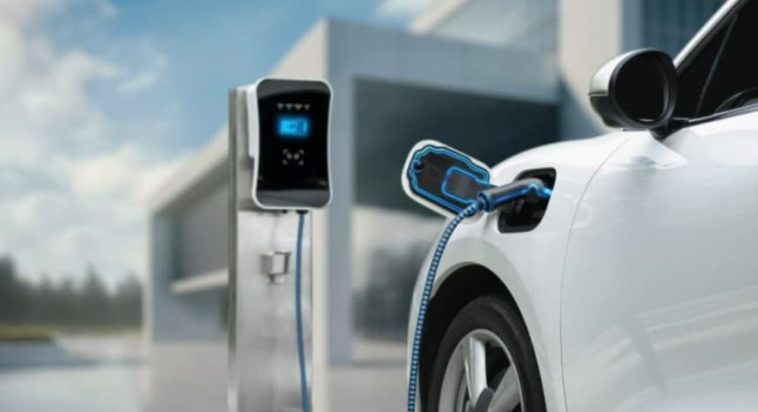
Electric car radiation has become a popular topic on social media, with some people claiming they would never buy an electric vehicle until the “radiation issue” is fully clarified. But how true are these concerns?
The short answer is yes, electric cars do emit electromagnetic fields (EMF), but this is completely different from dangerous nuclear or ionizing radiation.
Many online discussions confuse everyday electromagnetic energy with harmful radiation like X-rays or radioactive materials. In reality, electric vehicles do not produce the type of radiation capable of damaging DNA or causing radioactive contamination.
What Kind of Radiation Do Electric Cars Produce?
When discussing electric car radiation, it is important to separate two very different concepts.
Ionizing Radiation
This is the dangerous form of radiation associated with nuclear reactions, radioactive waste, or medical imaging such as X-rays. Ionizing radiation can damage human cells and DNA because it carries extremely high energy.
Electric vehicles do not produce ionizing radiation.
There is no nuclear process happening inside an EV battery or motor. From a physics perspective, it would be impossible for a normal electric car to suddenly emit nuclear radiation.
So fears about EVs behaving like radioactive devices are simply incorrect.
Electromagnetic Fields (EMF)
Electric vehicles do create electromagnetic fields, also known as EMF. However, this is something produced by almost every electrical device people use daily.
Examples include:
Whenever electricity flows through a wire or powers a motor, an electromagnetic field naturally forms around it.
This is basic physics and not something unique to electric cars.
Are Electric Cars Dangerous Because of EMF?
Current scientific studies suggest that EMF levels inside electric vehicles remain well below international safety limits.
Research from organizations such as ADAC and CATARC found that the electromagnetic fields measured inside many electric vehicles were often lower than those produced by common household devices.
In some tests, EMF levels inside EVs were lower than:
- Electric blankets
- Hair dryers
- Kitchen appliances
- Vacuum cleaners
This means that sitting inside an electric vehicle may expose you to less electromagnetic energy than some devices people already use every day without concern.
Gasoline Cars Also Produce Electromagnetic Fields
One surprising fact often ignored in online debates is that gasoline and diesel vehicles also generate electromagnetic fields.
Internal combustion vehicles contain many electrical systems that create EMF, including:
- Alternators
- Spark plugs
- Ignition systems
- Wiring systems
- Static electricity from rotating tires
Studies have shown that traditional vehicles can produce electromagnetic fields at levels similar to electric vehicles.
So switching from a gasoline car to an EV does not suddenly expose someone to radiation for the first time. The source of the electromagnetic field simply changes location.
Electric Cars Are Specially Shielded
Modern electric vehicles are designed with electromagnetic shielding systems to reduce interference and minimize exposure.
The battery packs, power cables, and electric motors are usually protected with metal shielding layers that block and contain electromagnetic emissions.
Manufacturers take electromagnetic compatibility very seriously because uncontrolled EMF could interfere with the vehicle’s own electronics and safety systems.
As a result, EVs are engineered specifically to keep EMF levels low and within strict international standards.
Heated Seats Can Sometimes Produce More EMF
Interestingly, some experts point out that heated seat pads may generate stronger localized electromagnetic fields than the vehicle battery itself.
This happens because the heating elements are placed extremely close to the body.
However, even these levels remain below legal safety limits and are still considered safe according to current scientific understanding.
What Science Currently Says
At the moment, there is no strong scientific evidence showing that normal exposure to electromagnetic fields from electric vehicles causes health problems.
The World Health Organization and many international health agencies continue to study long-term EMF exposure from all technologies, including phones, power lines, and vehicles. So far, everyday exposure levels found in consumer products remain within accepted safety guidelines.
That does not mean people should stop researching or asking questions. But many viral claims online exaggerate the issue by confusing harmless electromagnetic fields with dangerous radioactive exposure.
Final Verdict
Electric car radiation exists only in the form of low-level electromagnetic fields, which are also produced by countless everyday electrical devices.
Electric vehicles do not emit nuclear radiation, radioactive energy, or dangerous ionizing radiation.
Current studies show that EMF levels inside EVs are generally low, regulated, and often comparable to or lower than common household appliances.
For most people, driving an electric vehicle does not represent an unusual or dangerous radiation risk compared to modern daily life surrounded by electronics.
