World’s Most Dangerous Animals might sound like a topic filled with giant predators, but the truth is far more surprising. While nature is full of breathtaking landscapes and magnificent creatures, it is also home to animals that can threaten human life in unexpected ways. Some species rely on venom, others carry deadly diseases, and a few simply use their size and strength to become a real danger. Every year, statistics show that thousands—and in some cases millions—of people lose their lives because of animals.
In this detailed report, we explore the World’s Most Dangerous Animals, based on scientific studies, global data and documented cases. From tiny insects to massive marine predators, the variety of threats is astonishing. And the animal that sits at the very top of the list may surprise almost everyone.
The Reality Behind Danger in Nature
When most people think of danger, they imagine lions, sharks or crocodiles. But research tells a very different story. Many smaller animals with strong venom or disease-carrying abilities are responsible for more deaths than famous predators. Let’s begin the countdown.
20. Asian Giant Hornet
Often called the “killer hornet,” this insect reaches up to 5 cm in length and carries a long, powerful stinger capable of piercing protective suits. Its venom contains strong cytotoxins and neurotoxins. Stings can cause extreme pain, kidney failure, anaphylactic shock and death. In Japan and China, dozens of people die each year from hornet attacks, especially when these insects strike as a group.
19. Golden Poison Dart Frog
This small frog from Colombia is the most poisonous vertebrate in the world. Its bright yellow skin is covered with batrachotoxin, a chemical that blocks nerve signals and leads to paralysis and heart failure. A single frog contains enough poison to kill dozens of humans. Even touching it can be fatal.
18. Cone Snail
With a beautiful patterned shell, cone snails look harmless but hide a deadly harpoon-like tooth. Their venom, known as conotoxin, causes intense pain, muscle paralysis and respiratory failure. Fatal human cases have been recorded. Interestingly, scientists also study this venom for potential medical use.
17. Stonefish
This fish, often mistaken for a rock, is the most venomous fish on Earth. It has sharp spines on its back that inject powerful neurotoxins. Contact causes unbearable pain, paralysis and possibly heart failure. Although an antivenom exists in Australia, the stonefish remains highly dangerous.
16. Brazilian Wandering Spider
Listed in Guinness World Records as the most venomous spider, its toxin is 20 times stronger than that of a black widow. Its bite can cause muscle loss, breathing difficulties and fatal respiratory paralysis.
15. Blue-Ringed Octopus
This tiny octopus carries tetrodotoxin, a poison far stronger than cyanide. A single animal holds enough venom to kill more than 10 adults. Its bite is often painless, but paralysis and respiratory arrest follow quickly. With no antivenom available, survival depends entirely on fast medical support.
14. Polar Bear
Unlike most wildlife, polar bears may actively hunt humans. Weighing up to 600 kg and standing nearly 3 meters tall, they are powerful predators. Encounters are rare, but most are deadly.
13. Box Jellyfish
Found in waters around Australia and Southeast Asia, the box jellyfish is nearly invisible underwater. Its tentacles contain millions of venomous cells capable of killing several humans at once. Victims suffer extreme pain, paralysis and cardiac arrest within minutes.
12. Great White Shark
Although these sharks do not intentionally hunt humans, their strong jaws and massive size make a “test bite” deadly. They are responsible for the highest number of recorded shark attacks.
11. Indian Red Scorpion
Known as the world’s most dangerous scorpion, its sting can cause vomiting, heart failure and severe breathing problems. Children are especially vulnerable.
10. Lion
As Africa’s iconic predator, lions kill hundreds of people each year. Their strength, speed and hunting strategy make them highly dangerous, especially in territories where human-animal conflict increases.
9. African Buffalo
This animal is unpredictable, aggressive and equipped with deadly horns. It is known for charging without warning and is responsible for many fatal encounters in Africa.
8. Saltwater Crocodile
The largest reptile on Earth, the saltwater crocodile is a powerful hunter that sees humans as prey. With extremely strong jaws and stealthy movement, it remains one of the most feared animals worldwide.
7. African Elephant
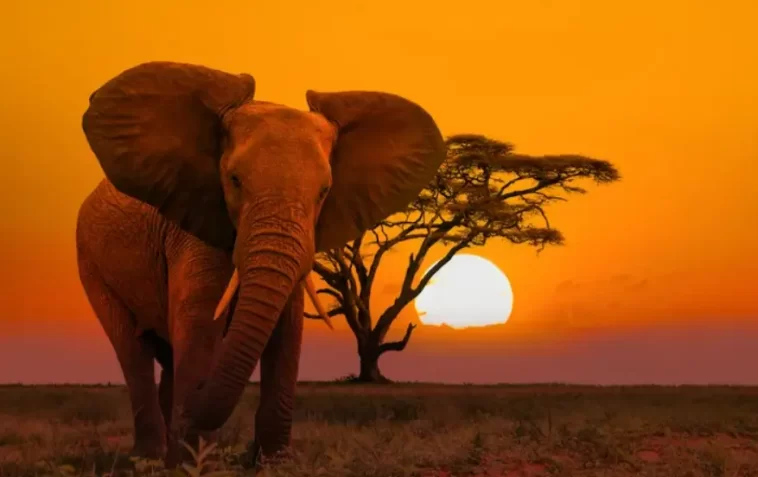
Usually calm, elephants can become aggressive when threatened. Their massive size allows them to destroy villages, vehicles and anything in their path.
6. Hippopotamus
Despite their cute appearance, hippos are highly territorial and aggressive. They cause hundreds of deaths each year in Africa—more than any other large animal.
5. Tapeworm
This internal parasite can reach the human brain, causing seizures, blindness or fatal infections. Poor sanitation increases the risk of infection.
4. Assassin Bug
Also known as the “kissing bug,” it spreads Chagas disease, which kills thousands every year in South America.
3. Dogs (Rabies)
Dog attacks are dangerous, but rabies makes them even more deadly. Rabies transmitted through dog bites kills tens of thousands of people worldwide annually.
2. Russell’s Viper
This snake causes more deaths in South Asia than any other serpent. Its venom leads to internal bleeding, kidney failure and fatal complications.
1. Mosquito
The most dangerous animal in the world is the mosquito. By spreading diseases like malaria, dengue and Zika, mosquitoes kill more people than all predators combined—hundreds of thousands to over a million deaths every year. Their tiny size hides an enormous impact, making them the greatest threat to human life.
