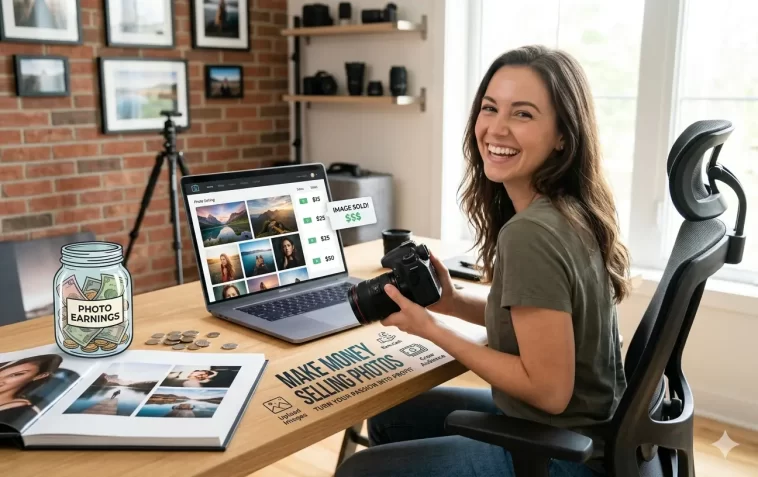
Selling photos online is one of the most accessible ways to earn passive income as a photographer — whether you’re a hobbyist with a smartphone or a pro with a full camera kit. The market for stock photos, prints, and digital downloads is bigger than ever in 2026, and the barrier to entry has never been lower.
But here’s the honest truth: just uploading a few photos and hoping for the best won’t pay your bills. You need the right platforms, the right strategy, and an understanding of what buyers are actually looking for.
This guide breaks it all down, step by step.
Why Selling Photos Online Still Makes Sense in 2026
You might be wondering — with AI-generated images flooding the internet, is there still a market for real photography?
The answer is yes, and here’s why. Businesses, bloggers, and marketers still want authentic, high-quality photos that tell a real story. AI can’t replicate a genuine street scene, a candid portrait, or a beautifully lit product shot the way a skilled photographer can.
The demand for editorial photos, travel images, and niche stock content remains strong. And beyond stock photography, there are growing opportunities in selling prints, licensing exclusive images, and even running your own photography store.
Step 1: Choose the Right Platform for Your Goals
Not all photo-selling platforms work the same way. Some pay tiny royalties on a high volume of sales. Others let you set your own price and keep most of the profit. Picking the right one depends on your content type and how much time you want to invest.
Stock Photography Sites
These platforms let you upload photos and earn a commission every time someone licenses them.
- Shutterstock – One of the largest stock sites in the world. Great for volume, but royalty rates are on the lower end.
- Adobe Stock – Well-integrated with Creative Cloud, meaning designers and marketers find your photos easily.
- Getty Images / iStock – Premium platform. Harder to get accepted, but often higher payouts.
- Alamy – Known for generous royalties (up to 50%) and a less strict submission process.
- Dreamstime – A solid beginner-friendly option with decent traffic.
Print-on-Demand Sites
These platforms let you sell physical prints without handling shipping or inventory yourself.
- Fine Art America – Popular for wall art, canvas prints, and framed photos.
- Redbubble – Good for reaching a creative audience; your photos can appear on mugs, phone cases, and more.
- Printful + Etsy – Running your own Etsy shop with Printful for fulfillment gives you more control over branding and pricing.
Your Own Website
Selling directly from your own site cuts out the middleman entirely. Platforms like SmugMug, Pixieset, or a custom WordPress + WooCommerce setup let you keep nearly all of the revenue.
The tradeoff? You’ll need to drive your own traffic through SEO, social media, or email marketing.
Step 2: Know What Actually Sells
One of the biggest mistakes new photographers make is uploading what they like instead of what buyers need.
Here are the types of photos that consistently perform well on stock sites:
- Business and workplace – People working on laptops, team meetings, remote work setups
- Lifestyle – Diverse families, people exercising, cooking, traveling
- Technology – Smartphones, devices, software interfaces
- Nature and travel – Clean, versatile landscapes with copy space
- Food and drink – Well-lit, styled shots of meals and beverages
- Healthcare – Doctors, wellness, mental health-themed images
Niche subjects can actually outperform generic ones. If you specialize in, say, sustainable living or urban gardening, you’ll face less competition while still serving real demand.
Step 3: Optimize Your Photos for Search
Even the best photo won’t sell if no one can find it. Every platform uses a search engine, and you need to play by its rules.
Write Descriptive Titles
Your title should clearly describe what’s in the photo. Instead of “IMG_4028.jpg,” use something like “Young woman working from home on laptop in modern apartment.”
Use the Right Keywords
Most platforms let you add 20–50 keywords. Use all of them. Include:
- What’s in the photo (objects, people, settings)
- The mood or concept (happiness, productivity, solitude)
- Technical details if relevant (aerial view, close-up, black and white)
Write a Useful Description
Some platforms display descriptions in search results or use them for indexing. Write two to three sentences describing the scene, the potential use cases, and any relevant context.
Step 4: Upload Consistently and Build a Portfolio
One or two photos won’t generate meaningful income. The photographers who make real money from stock sites have hundreds — sometimes thousands — of accepted images.
Set a realistic upload schedule. Even 10 new photos per week adds up to 500 images in a year. A larger, well-tagged portfolio increases the chances of showing up in search results and making regular sales.
Think of each photo as a small asset. Some will barely sell; others will become quiet earners for years.
Step 5: Diversify Across Multiple Platforms
Don’t rely on a single site. Spreading your portfolio across several platforms reduces risk and increases exposure.
A practical starting point:
- Upload your main catalog to Shutterstock and Adobe Stock for broad reach
- List higher-quality work on Alamy for better royalties
- Sell prints through Fine Art America or Etsy
- Keep a selection of exclusive or premium work on your own website
Check each platform’s exclusivity terms before uploading the same photos everywhere — some sites offer higher rates in exchange for exclusivity.
Step 6: Explore Beyond Stock — Other Ways to Monetize Photos
Stock photography is just one piece of the puzzle. Here are other income streams worth considering in 2026:
Licensing Directly to Clients
You can license photos directly to businesses, magazines, or marketing agencies without going through a stock site. This is often more profitable per image. Reach out to local businesses, bloggers, or niche publications in your subject area.
Selling Presets and Photo Bundles
If you’ve developed a recognizable editing style, you can sell Lightroom presets or themed photo bundles. Platforms like Etsy and Creative Market are popular for this.
Teaching Photography Online
If you have solid skills, consider turning that knowledge into income. Courses on Udemy, Skillshare, or your own website can generate passive income alongside your photo sales.
Social Media and Brand Collaborations
Building a following on Instagram or TikTok around your photography niche can attract brand sponsorships and paid collaborations — especially in travel, food, or lifestyle niches.
How Much Can You Actually Earn?
Let’s be realistic. In the beginning, earnings will be modest. Here’s a rough idea of what to expect:
| Experience Level | Monthly Earnings (Estimate) |
|---|---|
| Just starting out (under 100 photos) | $5 – $50 |
| Growing portfolio (100–500 photos) | $50 – $300 |
| Established contributor (500–2,000 photos) | $300 – $1,500 |
| Full-time stock photographer (2,000+ photos) | $1,500 – $5,000+ |
These are rough averages and vary a lot depending on niche, platform, and how well your work is optimized. Print sales and direct licensing can shift these numbers significantly.
Common Mistakes to Avoid
- Uploading low-quality images – Always submit sharp, well-exposed, properly composed photos. Blurry or noisy images get rejected and hurt your contributor rating.
- Ignoring model and property releases – If your photos include identifiable people or private property, you’ll need signed releases for commercial use.
- Using generic keywords – Lazy tagging means fewer people find your work. Spend time on metadata.
- Giving up too early – Most photographers don’t see meaningful income until they have a substantial portfolio. Patience matters.
FAQ
Do I need a professional camera to sell photos online? Not necessarily. Many successful stock contributors use high-end mirrorless cameras, but modern smartphones can produce excellent results for certain niches. What matters most is image quality, composition, and subject matter.
Can I sell the same photo on multiple stock sites? Yes, as long as you don’t submit exclusively to one platform. Most sites allow non-exclusive submissions. Always read the platform’s terms before uploading.
How long does it take to start earning money? Most people see their first sale within a few weeks of uploading, but meaningful income usually takes several months to build. Consistency and a growing portfolio are key.
Do I retain copyright when I sell photos online? Yes. Selling through stock sites means you’re licensing usage rights, not transferring copyright. You still own your photos and can continue selling them elsewhere.
What’s the best platform for beginners? Adobe Stock and Shutterstock are both beginner-friendly and have large customer bases. Adobe Stock is particularly good if you want your photos discovered by designers using Creative Cloud apps.
Is it worth building my own photography website? Eventually, yes — especially if you want to sell prints or offer direct licensing. But starting with established platforms first is a smarter move until you have consistent traffic and an audience.
Final Thoughts
Selling photos online won’t make you rich overnight, but it’s a legitimate way to build passive income doing something you enjoy. The photographers who succeed treat it like a business — uploading regularly, optimizing their metadata, diversifying across platforms, and always shooting with the buyer in mind.
Start small, stay consistent, and let your portfolio grow over time. The income will follow.
