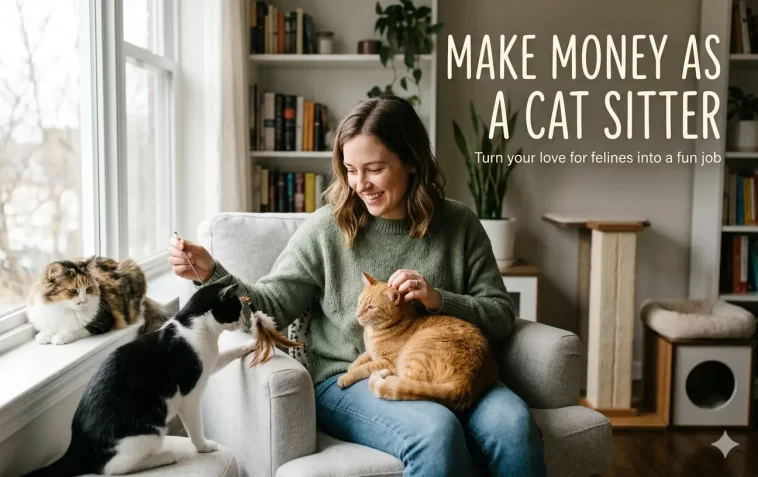
Cat sitting is one of the most underrated ways to earn money from home — or in your neighborhood — without a degree, a formal certification, or much startup cost. While dog walking gets most of the attention in the pet care space, cat owners represent a massive, underserved market that’s growing every year.
In 2026, more people own cats than ever before. And when they travel for work, go on vacation, or just need someone reliable to check in during a long day, they’re willing to pay well for a trustworthy cat sitter. If you’re a cat lover looking for flexible income, this guide covers everything you need to know to get started and grow.
Why Cat Sitting Is Worth Your Time
Cats have a reputation for being independent, but they still need regular feeding, fresh water, litter box cleaning, and — importantly — companionship. Many cats develop anxiety when left alone for extended periods.
Cat owners are often more attached to their pets than people realize, and they’re picky about who they trust. That’s actually good news for you. It means once you build a relationship with a client, they tend to come back repeatedly and refer you to friends.
The work is also genuinely low-stress compared to dog walking. No leashes, no outdoor weather, no pulling or barking. You show up, care for the cat, spend some quality time, and leave.
How Much Can a Cat Sitter Earn?
Earnings vary by location, services offered, and how many clients you maintain. Here’s a general breakdown:
- Drop-in visit (20–30 min): $18 – $30 per visit
- Extended visit (1 hour): $25 – $45 per visit
- Overnight in-home sitting: $50 – $100 per night
- Home boarding (cat stays at your place): $25 – $55 per night
- Multiple cats: Most sitters charge $5 – $10 extra per additional cat
A cat sitter with 4–6 regular clients making daily or twice-daily visits can earn $800 – $2,000/month part-time. Full-time cat sitters in busy urban areas can earn $3,000+ per month, especially when combining boarding with visits.
Step 1: Decide Which Services You Want to Offer
Before you sign up for any platform or start marketing yourself, think about what you’re actually comfortable offering. The main service types are:
Drop-in visits You visit the cat in their own home once or twice a day. You feed them, clean the litter, refresh water, and spend some time playing or cuddling. This is the most common service and the easiest to start with.
Overnight sitting You stay in the client’s home overnight so the cat has company and a consistent routine. This pays significantly more but requires you to sleep away from home.
Home boarding The cat comes and stays at your place. This works well if you have a cat-friendly home with no other pets that could cause stress. You can board multiple cats from different clients simultaneously, which increases your income per night.
Extended care packages Some sitters offer weekly or monthly care packages for clients who travel regularly. This creates predictable, recurring income.
Step 2: Choose the Right Platform
Several apps and websites connect cat sitters with pet owners. Here are the best ones in 2026:
Rover
Rover is the largest pet care platform in the world and has a strong cat sitting section. You create a profile, set your rates, and clients book you directly. Rover handles payments and takes a 20% commission.
It’s the best starting point for most new cat sitters because of its large user base and built-in trust system. Reviews matter a lot here — your first few positive reviews will unlock a steady flow of bookings.
Commission: 20% Best for: Beginners building their first client base
Meowtel
Meowtel is the only major platform dedicated exclusively to cat sitting. That specialization works in your favor — clients who use Meowtel are specifically cat people looking for someone who understands feline behavior and needs.
The vetting process is more thorough than Rover, which means higher-quality clients and better trust. Sitters keep around 81% of their earnings. If you’re serious about cat sitting as a long-term income source, Meowtel is worth the extra effort to get accepted.
Commission: ~19% Best for: Cat specialists who want dedicated, high-quality clients
Care.com
Care.com covers a wide range of caregiving services including pet care. It’s less specialized than Rover or Meowtel but has a large user base. The platform charges pet owners a subscription, which means your commission as a sitter is lower.
It’s worth having a profile here as a supplementary source of bookings, especially if you’re also open to other care work.
Commission: Low Best for: Multi-service caregivers looking for extra bookings
Pawshake
Pawshake is popular across Europe and Australia and works similarly to Rover. Sitters keep around 85% of their earnings, which is above average for the industry. If you’re based outside the U.S., Pawshake is one of the best options available.
Commission: ~15% Best for: European and Australian cat sitters
PetBacker
PetBacker operates globally and covers cat sitting alongside other pet services. The commission rate is around 15%, and the platform includes insurance for booked services. It’s a solid option if you want to reach a broader or international client base.
Commission: ~15% Best for: International users and multi-pet caregivers
Going Independent
Once you have a loyal client base, many cat sitters move away from platforms entirely and manage bookings directly. Tools like Time To Pet help you handle scheduling, invoicing, and client communication without paying platform commissions.
Going independent means you keep 100% of your earnings. The tradeoff is that you’re responsible for your own marketing, insurance, and client acquisition.
Step 3: Set Up a Strong Profile
Your profile is your storefront. A weak profile means fewer bookings, no matter how good you are with cats.
Here’s what makes a profile stand out:
Use real, high-quality photos Include a clear, friendly photo of yourself — ideally with a cat. If you have photos of you caring for cats (playing, cuddling, administering medication), use them. Clients are handing you access to their home and their pet. They need to see a real person they can trust.
Write a specific bio Avoid generic phrases like “I love animals.” Instead, be specific: mention how long you’ve had cats, breeds you’ve worked with, whether you have experience with senior cats or cats with medical needs, and what your visit routine looks like.
List your experience honestly Even if you’ve only cared for your own cats or a family member’s, that counts. Most clients don’t expect a professional background — they want reliability and genuine care.
Set competitive starting rates When you’re new, price slightly below the local average to attract your first clients. Once you have 5–10 reviews, raise your rates gradually.
Step 4: Nail the Meet-and-Greet
Almost every serious cat sitting booking starts with a meet-and-greet. This is a free 15–20 minute visit where you meet the owner and the cat before the first paid booking.
Use this time to:
- Let the cat approach you on its own terms — don’t force interaction
- Ask about the cat’s routine, personality, and any health issues
- Find out where food, litter, and supplies are kept
- Get the vet’s contact information and emergency instructions
- Clarify the client’s communication preferences (daily photo updates, text check-ins, etc.)
Clients who feel confident after a meet-and-greet almost always book — and usually come back repeatedly.
Step 5: Deliver a Great Experience Every Visit
The cat sitting market runs on trust and word of mouth. Here’s what separates sitters who stay booked from those who struggle:
- Send photo updates — a cute photo of their cat mid-visit is the single most effective way to make clients happy
- Be on time — cats are creatures of routine; consistent timing matters
- Go beyond the basics — spend a few extra minutes playing or brushing if the cat is receptive
- Leave a visit note — a quick written summary of how the visit went gives owners peace of mind
- Report anything unusual immediately — behavior changes, appetite issues, or health concerns should be flagged right away
These small habits turn one-time clients into regulars who refer their friends.
Do You Need Any Qualifications?
No formal qualifications are required to start cat sitting. However, a few things will genuinely help:
- Pet first aid certification – Available online through organizations like PetTech or the Red Cross. It takes a few hours and significantly increases client confidence.
- Experience with cats – Even personal experience counts. Mention specific breeds or situations you’ve handled.
- Insurance – Most major platforms include coverage for booked visits, but if you go independent, look into pet sitter liability insurance.
How to Get Your First Clients
The hardest part is the beginning, when you have no reviews and no track record. Here’s how to break in:
- Start on Rover or Meowtel and accept your first few bookings at a lower rate to collect reviews
- Tell everyone you know — neighbors, coworkers, family friends who have cats
- Post in local Facebook groups or Nextdoor — pet owner communities are active and respond well to genuine introductions
- Leave cards at vet offices, pet stores, or groomers — with permission
- Offer a discount for the first booking to reduce the risk for new clients
Once you have a handful of glowing reviews and happy regulars, the referrals start coming on their own.
Cat Sitting vs. Dog Walking: Key Differences
If you’re choosing between the two, here’s an honest comparison:
| Factor | Cat Sitting | Dog Walking |
|---|---|---|
| Physical demand | Low | Moderate to high |
| Weather dependency | None | High |
| Scheduling flexibility | High | Moderate |
| Average pay per visit | $18 – $45 | $15 – $40 |
| Client loyalty | Very high | High |
| Competition level | Lower | Higher |
| Indoor vs. outdoor | Mostly indoor | Outdoor |
Cat sitting wins on flexibility and client retention. Dog walking wins on volume and visibility. Many pet care workers do both to maximize their income.
FAQ
Do I need to own a cat to become a cat sitter? No. Plenty of successful cat sitters don’t own cats themselves. What matters is genuine comfort around cats and a solid understanding of their behavior and needs. Experience caring for friends’ or family members’ cats absolutely counts.
Is cat sitting a real income source or just pocket money? It can be both, depending on how seriously you pursue it. Part-time cat sitters with a handful of regular clients typically earn $500 – $1,500/month. Full-time sitters in urban areas who combine drop-ins, overnights, and boarding can earn $3,000 – $5,000+ per month.
What’s the difference between Rover and Meowtel for cat sitting? Rover is a general pet care platform with a large audience, making it easier to get started. Meowtel is cat-specific, with a more thorough vetting process and a client base that’s more knowledgeable about cats. Most serious cat sitters use both.
How do I handle a cat emergency during a visit? Always get the owner’s emergency contact and their preferred vet’s information before the first visit. Contact the owner immediately if anything seems wrong. Most platforms provide some guidance on emergency procedures. A basic pet first aid certification is worth having before you start.
Can I cat sit if I have my own pets at home? It depends on the service. For drop-in visits and overnight stays at the client’s home, your own pets are irrelevant. For home boarding, you’ll need to disclose what pets you have and ensure the environment is safe and stress-free for visiting cats.
How do I deal with shy or difficult cats? Let the cat set the pace. Don’t force interaction — sit quietly, move slowly, and let them come to you. Bring a small treat if the owner approves. Most shy cats warm up over multiple visits. Being upfront with owners about your approach builds trust and sets realistic expectations.
Final Thoughts
Cat sitting is a genuinely rewarding way to earn flexible income in 2026. The startup costs are minimal, the work is enjoyable, and the clients who find a sitter they trust tend to stay loyal for years.
Start on a platform like Rover or Meowtel to build your reputation. Be consistent, communicate well, and go slightly above expectations on every visit. The referrals will follow.
Cats may be independent by nature — but their owners are counting on you to show up. Do that reliably, and you’ll have more bookings than you can handle.
