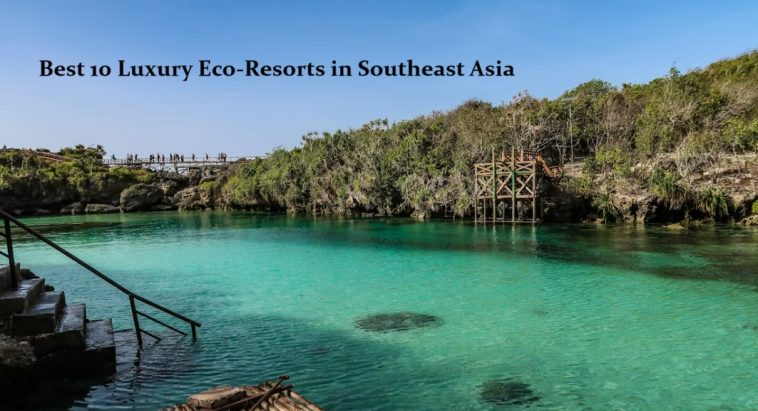
I still remember standing barefoot on a jungle villa deck in Bali, watching the sun sink into the Indian Ocean, thinking — this is the exact opposite of guilt. No plastic bottles, no imported marble, no wasteful excess. Just timber, bamboo, local stone, and the sound of the forest at night. That trip completely changed the way I travel. Once you stay at a resort that takes sustainability seriously without sacrificing one ounce of luxury, going back to a conventional hotel feels almost wrong.
Southeast Asia has quietly become one of the most exciting regions in the world for eco-luxury travel. From the wild coasts of Indonesia to the rainforests of Borneo and the private islands of Cambodia, the options in 2026 are genuinely incredible. If you are ready to travel with purpose and still sleep in jaw-dropping comfort, here are the best 10 luxury eco-resorts in Southeast Asia right now.
What Makes a Resort Truly “Eco-Luxury”?
Before diving into the list, it helps to understand what separates a real eco-resort from one that just slaps a green leaf on its brochure.
A genuine luxury eco-resort typically checks these boxes:
- Sustainable construction using locally sourced or recycled materials
- Low environmental footprint through solar or biofuel energy, rainwater harvesting, and composting
- Community involvement by employing local staff and supporting nearby villages
- Active conservation programs protecting wildlife, reefs, or forest
- Responsible dining with organic, locally grown food on the menu
Every resort on this list earns the eco label honestly.
1. NIHI Sumba — Sumba Island, Indonesia
NIHI Sumba is one of the most celebrated eco-resorts on the planet. Consistently voted among the top hotels in the world by Travel + Leisure, it sits on a remote stretch of Sumba Island, about 50 minutes by air from Bali.
The property spans nearly 600 acres of unspoiled jungle and coastline. Guests can surf world-famous breaks, ride horses along a pristine 2.5 km beach, hike to hidden waterfalls, or simply disappear into their private villa with an ocean view.
What makes NIHI truly stand out is the Sumba Foundation. The resort was built on a mission to protect Sumba’s cultural heritage and empower local communities — funding clinics, schools, and communal farms. The property runs almost entirely on biofuel and has active recycling, composting, and water-recycling systems in place.
Best for: Surfers, adventure seekers, and travelers who want their stay to directly fund community development.
2. Keemala — Phuket, Thailand
Keemala is one of those places that genuinely looks like it was pulled from a dream. Set on a steep hillside above Kamala Bay in Phuket, it is built around the mythology of four fictional ancient indigenous clans, each inspiring a different style of villa or “nest.”
You can wake up inside a Bird’s Nest perched in the rainforest canopy, or retreat to a tented villa with your own private pool. The architecture maximizes natural ventilation and light, reducing the need for air conditioning throughout much of the year.
Sustainability runs deep here. The spa uses cruelty-free treatments, the kitchen serves organic vegan and vegetarian menus, and interior textiles are sourced from ethnic minority artisan groups. The resort even houses a collection of rescued animals on the property.
Best for: Couples, wellness travelers, and design lovers who want something genuinely unique.
3. Six Senses Con Dao — Con Dao Archipelago, Vietnam
Con Dao is one of Vietnam‘s best-kept secrets. This cluster of 15 islands off the southeast coast stays well under the radar compared to Phu Quoc, and Six Senses has made it a destination in its own right.
The resort features 50 private villas with infinity pools, all built in the style of sun-bleached bamboo fishing villages. It sits within a pristine marine national park, and the commitment to conservation is woven into daily life at the property.
The resort turns excess cooking oil into soap, repurposes fabric offcuts into handmade goods, and runs a sea turtle nesting program in collaboration with the National Park next door. During turtle season, guests can actually take part in releasing hatchlings — one of those experiences you simply cannot manufacture.
Best for: Wellness-focused travelers and those who want a truly off-the-beaten-path island escape.
4. Song Saa Private Island — Koh Rong Archipelago, Cambodia
Song Saa sets the bar for eco-luxury in Cambodia. Each villa is constructed from recycled timber and furnished entirely with organic and sustainable materials, offering unobstructed sea views, private pools, and deep sunken bathtubs.
The resort’s foundation is deeply committed to sustainable development. Conservation programs focus on protecting ocean habitats and nearby rainforests, and the property actively creates employment opportunities for local communities on the surrounding islands.
The Koh Rong Archipelago itself is staggeringly beautiful — crystal waters, white sand, and reefs that remain largely untouched. Staying at Song Saa means you are helping to keep it that way.
Best for: Honeymooners and travelers looking for true seclusion in one of Southeast Asia’s most pristine island settings.
5. Sukau Rainforest Lodge — Kinabatangan River, Malaysian Borneo
If you want to wake up and watch wild proboscis monkeys from your bedroom window, Sukau is your answer. This award-winning eco-resort sits on the banks of the Kinabatangan River in Sabah, Borneo, in the middle of one of the most biodiverse river ecosystems on Earth.
Established in 1995, Sukau is one of Southeast Asia’s pioneering eco-friendly resorts and is guided by the United Nations Sustainable Development Goals. The lodge runs regular river safaris, night cruises, and guided forest walks where sightings of pygmy elephants, orangutans, and hundreds of bird species are genuinely common.
The lodge is small and intimate by design — keeping guest numbers low to protect the surrounding forest and wildlife corridors.
Best for: Wildlife enthusiasts, birdwatchers, and anyone who wants to experience Borneo’s rainforest in real depth.
6. Phum Baitang — Siem Reap, Cambodia
The name means “Green Village” in Khmer, and the resort earns it. Phum Baitang is one of Siem Reap’s most luxurious hideaways — 45 stilted villas wrapped in lush greenery, built in the style of a traditional Cambodian countryside village.
The architecture uses natural timber and stone throughout, blending into the landscape rather than imposing on it. The resort features an autonomous water treatment facility that provides fresh drinking water to guests, and has eliminated single-use plastics across the property.
You are a short tuk-tuk ride from the temples of Angkor, but Phum Baitang feels a world apart — quiet, shaded, and deeply peaceful.
Best for: Culture travelers visiting Angkor Wat who want a luxurious and eco-conscious base.
7. Bawah Reserve — Anambas Archipelago, Indonesia
Bawah Reserve is the kind of place that makes you question why you ever chose a city holiday. Located in the remote Anambas Islands between Borneo and the Malay Peninsula, it is surrounded by lagoons, pristine coral reefs, and tropical forest.
The resort is entirely bamboo-built, shaped to mirror the natural silhouette of the island itself. Access is by seaplane only, which keeps visitor numbers low and the environment intact. There are no day-trippers here.
The reserve operates a serious marine conservation program, with guests encouraged to join reef monitoring and turtle research initiatives during their stay. Snorkeling directly off the beach reveals reefs in genuinely spectacular condition.
Best for: Divers, snorkelers, and travelers who want to feel completely removed from the outside world.
8. El Nido Resorts — Palawan, Philippines
Palawan has been ranked the best island in the world more times than almost anywhere else, and El Nido Resorts make the most of that extraordinary setting. The group operates four island properties within the limestone cliffs and lagoons of Palawan, each with a different eco-tourism focus.
One island is dedicated to eco-adventure, another to ecology and education, a third to sanctuary and nature immersion, and the fourth to pure eco-luxury with its own private beach stretch. Each property is designed to protect rather than exploit the surrounding environment, with strict policies on construction, waste, and wildlife disturbance.
The underwater world around Palawan is among the richest in Southeast Asia, and El Nido Resorts operates directly within a protected marine area.
Best for: Families, divers, and travelers who want flexibility across different island styles within one group.
9. Six Senses Yao Noi — Phang Nga Bay, Thailand
Few views in Southeast Asia match the one from Six Senses Yao Noi — dramatic limestone karsts rising from the Andaman Sea, with the resort’s private pool villas perched above the water on a quiet island between Phuket and Krabi.
This property carries the full Six Senses sustainability ethos: organic gardens on-site, waste reduction programs, zero single-use plastics, and an active Earth Lab where guests can learn about permaculture, composting, and natural building. The spa uses organic, locally derived ingredients and offers some of the most comprehensive wellness programs in the region.
You will find everything here — kayaking, rock climbing, diving, cooking classes — but the resort never feels rushed or overcrowded.
Best for: Wellness travelers and couples who want world-class spa facilities with jaw-dropping natural scenery.
10. Nay Palad Hideaway — Siargao Island, Philippines
Siargao has grown into one of Southeast Asia’s most beloved surf destinations, and Nay Palad Hideaway sits on its southeastern coast as the island’s finest eco-retreat. With just 10 villas set within lush tropical vegetation, the resort is the definition of barefoot luxury.
Every villa was constructed using sustainably sourced local materials, and the interior design showcases the work of traditional Filipino craftsmen. The property ensures guests experience the island’s genuine culture rather than a packaged version of it — arranging visits to local fishing villages, cooking sessions with island chefs, and guided mangrove tours.
The atmosphere is unhurried and intimate. It genuinely feels like you have found a secret.
Best for: Surfers, solo travelers, and couples who want something small, personal, and beautifully crafted.
How to Choose the Right Luxury Eco-Resort for You
With ten strong options, here is how you can narrow it down:
- You love wildlife: Sukau Rainforest Lodge (Borneo) or Bawah Reserve (Indonesia)
- You want island seclusion: Song Saa (Cambodia) or Nay Palad (Philippines)
- You are focused on wellness: Six Senses Con Dao or Six Senses Yao Noi
- You want cultural depth: Phum Baitang (Cambodia) or Nay Palad (Philippines)
- You want adventure: NIHI Sumba (Indonesia) or El Nido Resorts (Philippines)
- You want striking design: Keemala (Thailand) or Bawah Reserve (Indonesia)
Tips for Booking a Luxury Eco-Resort in Southeast Asia
Before you confirm your reservation, keep these points in mind:
- Book direct when possible. Many eco-resorts offer better rates and lower booking fees when you go through their official website.
- Ask about sustainability certifications. Look for Green Globe, EarthCheck, or Travelife accreditation.
- Check the dry season for your destination. Most of Southeast Asia has a distinct wet and dry season — timing matters a lot.
- Pack light and skip the plastic. Bring a reusable water bottle, reef-safe sunscreen, and biodegradable toiletries.
- Respect the local community guidelines. Many eco-resorts have behavioral guidelines around wildlife, photography, and local villages — follow them.
FAQ: Luxury Eco-Resorts in Southeast Asia
1. What is the most luxurious eco-resort in Southeast Asia? NIHI Sumba in Indonesia is widely considered the benchmark for eco-luxury in the region. It has been ranked among the top hotels in the world by major travel publications and combines extraordinary guest experiences with genuine community and environmental programs.
2. Are luxury eco-resorts significantly more expensive than regular resorts? They can be, yes — but not always dramatically so. The premium reflects the quality of construction, the smaller number of villas, and the cost of running genuine sustainability programs. Many guests find the overall value higher because the experience is far more immersive and memorable.
3. Which country in Southeast Asia has the best eco-resorts? Indonesia and the Philippines consistently lead the region for eco-resort quality and variety. Cambodia and Vietnam are catching up fast, with properties like Song Saa, Phum Baitang, and Six Senses Con Dao setting high standards.
4. Is it safe to travel to remote eco-resorts in Southeast Asia? Generally yes, especially at established properties. Most remote eco-resorts handle all logistics — airport transfers, boat or seaplane access, and on-site security — so you are well looked after from arrival to departure.
5. What is the best time of year to visit Southeast Asia eco-resorts? November through April is generally the best window for most of the region, particularly for beach and island destinations. Borneo and parts of the Philippines have slightly different patterns, so always check weather specifics for your exact destination.
6. Do eco-resorts in Southeast Asia have good food? Absolutely. Most luxury eco-resorts operate organic gardens and work with local fishermen and farmers to serve fresh, seasonal menus. The food quality at properties like Six Senses, NIHI Sumba, and Keemala consistently ranks among the highlights of a stay.
7. Can families with children stay at luxury eco-resorts? Many of them welcome families warmly. El Nido Resorts in Palawan and Sukau Rainforest Lodge in Borneo are particularly well-suited to families, offering educational wildlife experiences that children genuinely love.
8. How far in advance should I book a luxury eco-resort in Southeast Asia? For peak season travel (July–August and December–January), booking three to six months in advance is strongly recommended. Some properties — particularly NIHI Sumba and Bawah Reserve — fill up even earlier due to their small number of villas.
Final Thoughts
The best luxury eco-resorts in Southeast Asia prove that you do not have to choose between comfort and conscience. The properties on this list are not making small compromises — they are building entire business models around the idea that hospitality can protect the natural world rather than consume it.
Whether you want to surf the breaks at NIHI Sumba, release turtle hatchlings at Six Senses Con Dao, or simply disappear into the Borneo rainforest at Sukau, 2026 is a genuinely great year to make the trip. Start planning, travel thoughtfully, and let these places show you what sustainable luxury actually looks like.
