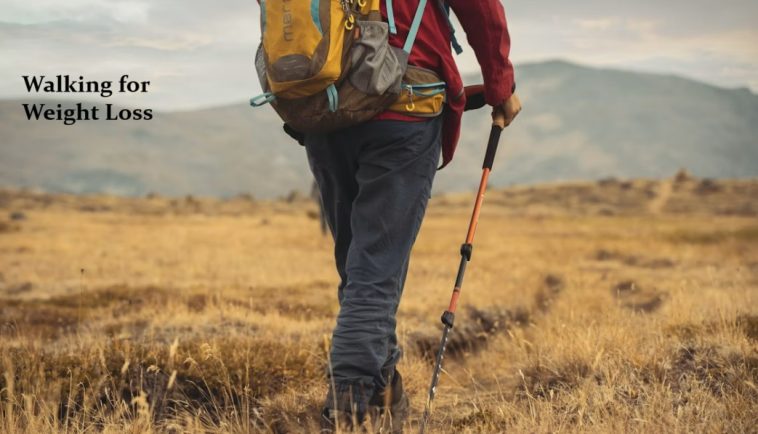
Walking is one of the most underrated forms of exercise on the planet. It costs nothing, requires no equipment, and works for virtually everyone regardless of fitness level. But if your goal is weight loss, the question most people ask is simple: how much do I actually need to walk?
The honest answer is that it depends on your age, current fitness level, body weight, and lifestyle. A 25-year-old and a 65-year-old have very different needs, recovery rates, and physical limitations. This guide breaks it all down by age group so you can build a walking routine that actually works for you.
Why Walking Works for Weight Loss
Before diving into the numbers, it helps to understand why walking is so effective for losing weight.
Walking burns calories without putting serious stress on your joints. It keeps your heart rate in the fat-burning zone — typically 50 to 70 percent of your maximum heart rate — for extended periods. Unlike intense exercise, walking is something most people can sustain daily without burning out or getting injured.
The Science Behind It
- A 70 kg person burns approximately 300 calories walking briskly for one hour
- Walking after meals has been shown to improve blood sugar control and reduce fat storage
- Daily walking reduces cortisol (the stress hormone), which is directly linked to belly fat accumulation
- Consistent walking improves insulin sensitivity, making your body more efficient at using fat for fuel
Steps vs. Distance vs. Time
There are three ways people measure walking:
- Steps — the most popular metric thanks to fitness trackers
- Distance — measured in kilometers or miles
- Time — the simplest measure for beginners
All three work. The best one is whichever keeps you consistent. This guide uses all three so you can track whichever way suits you best.
General Walking Guidelines for Weight Loss
Before breaking it down by age, here are the baseline recommendations that apply across all age groups.
Minimum Effective Dose
Research consistently shows that 150 minutes of moderate-intensity walking per week is the minimum threshold for meaningful health and weight benefits. That works out to about 22 minutes per day or 30 minutes five days a week.
Optimal for Weight Loss
For actual fat loss — not just maintenance — most studies point to 300 minutes per week (about 45 to 60 minutes per day) as the sweet spot. This level of activity creates a significant enough calorie deficit to produce visible results over weeks and months.
The 10,000 Steps Myth
The 10,000 steps per day target is widely cited but was originally a marketing figure from a Japanese pedometer company in the 1960s, not a scientific recommendation. That said, research does show that reaching 7,000 to 10,000 steps per day is strongly associated with weight loss and reduced disease risk — so it remains a useful goal even if the origin is commercial.
Walking for Weight Loss in Your 20s
Your 20s are your metabolic peak. Your body recovers quickly, your hormone levels support muscle building and fat burning, and you can generally handle higher volumes of exercise without issue.
Recommended Walking Amount
- Daily steps: 10,000 to 15,000
- Time per day: 45 to 75 minutes
- Weekly distance: 35 to 55 km (22 to 34 miles)
- Pace: Brisk — aim for 5.5 to 6.5 km/h (3.5 to 4 mph)
Why More Is Better in Your 20s
Metabolism is fast in your 20s, but so is your appetite. Many people in this age group underestimate how many calories they consume, especially with social eating and drinking. Walking at higher volumes helps offset this without requiring dramatic dietary changes.
Tips for Your 20s
- Add incline walking to increase calorie burn without increasing time
- Walk during lunch breaks or after evening meals to break up sedentary periods
- Use a fitness tracker to stay accountable — people in their 20s respond well to data and streaks
- Consider pairing walking with strength training two to three times per week for best body composition results
Calories Burned (Approximate, 70 kg person)
- 30 minutes brisk walk: ~180 calories
- 60 minutes brisk walk: ~360 calories
- 10,000 steps: ~350 to 400 calories
Walking for Weight Loss in Your 30s
Your 30s often bring a shift in lifestyle — careers become more demanding, family responsibilities grow, and free time shrinks. Metabolism begins to slow slightly, and many people notice weight creeping on even without obvious changes to their diet.
Recommended Walking Amount
- Daily steps: 8,000 to 12,000
- Time per day: 40 to 60 minutes
- Weekly distance: 28 to 45 km (17 to 28 miles)
- Pace: Brisk — aim for 5 to 6.5 km/h (3 to 4 mph)
The 30s Challenge
Stress is a major factor in weight gain during this decade. Elevated cortisol from work and family stress promotes fat storage, particularly around the abdomen. Walking is one of the most effective stress-reducing activities available — making it doubly valuable in your 30s.
Tips for Your 30s
- Build walking into your daily commute or school run to make it automatic rather than optional
- Morning walks are particularly effective for people with unpredictable afternoon schedules
- Walking meetings are a practical way to hit step targets without sacrificing work time
- Focus on consistency over intensity — five 40-minute walks beats two 90-minute sessions and five days of nothing
Calories Burned (Approximate, 75 kg person)
- 30 minutes brisk walk: ~190 calories
- 60 minutes brisk walk: ~380 calories
- 10,000 steps: ~370 to 420 calories
Walking for Weight Loss in Your 40s
The 40s are when metabolic slowdown becomes more noticeable. Muscle mass begins to decline (a process called sarcopenia), hormonal changes start affecting both men and women, and the body becomes more efficient at storing fat — particularly visceral fat around the organs.
Recommended Walking Amount
- Daily steps: 8,000 to 10,000
- Time per day: 45 to 60 minutes
- Weekly distance: 28 to 40 km (17 to 25 miles)
- Pace: Moderate to brisk — aim for 4.5 to 6 km/h (2.8 to 3.7 mph)
Why Consistency Matters More Now
In your 40s, the gap between active and sedentary days matters more than in younger decades. Missing a week of walking has a more noticeable effect on weight and energy levels. Building habits that are virtually automatic — same time, same route, same days — becomes essential.
Tips for Your 40s
- Add two to three strength training sessions per week alongside walking to counteract muscle loss
- Post-dinner walks are especially beneficial for managing blood sugar, which becomes more of a concern in this decade
- Wear supportive footwear — joint health begins to matter more and cheap shoes increase injury risk
- Track your resting heart rate over time — walking consistently will lower it, which is a strong indicator of improving cardiovascular fitness
Calories Burned (Approximate, 80 kg person)
- 30 minutes brisk walk: ~200 calories
- 60 minutes brisk walk: ~400 calories
- 10,000 steps: ~380 to 440 calories
Walking for Weight Loss in Your 50s
Your 50s bring significant hormonal shifts — menopause for women, declining testosterone for men — that directly affect how the body stores and burns fat. Weight loss becomes harder, but it is absolutely still achievable with the right approach.
Recommended Walking Amount
- Daily steps: 7,000 to 10,000
- Time per day: 45 to 60 minutes
- Weekly distance: 25 to 38 km (15 to 24 miles)
- Pace: Moderate — aim for 4 to 5.5 km/h (2.5 to 3.4 mph)
Walking and Hormonal Changes
For women going through menopause, regular walking has been shown to reduce hot flashes, improve sleep quality, and specifically target the abdominal fat gain associated with declining estrogen levels. For men, walking helps maintain testosterone levels naturally and reduces the risk of the metabolic syndrome that becomes more common after 50.
Tips for Your 50s
- Split your walking into two sessions if a full 45 to 60 minutes feels daunting — two 25-minute walks produce similar benefits
- Walk on softer surfaces (grass, trails, rubberized tracks) to reduce joint stress
- Incorporate gentle hills for extra calorie burn without dramatically increasing impact
- Prioritize sleep alongside your walking routine — poor sleep in your 50s dramatically undermines weight loss efforts
Calories Burned (Approximate, 80 kg person)
- 30 minutes moderate walk: ~170 calories
- 60 minutes moderate walk: ~340 calories
- 7,000 steps: ~260 to 300 calories
Walking for Weight Loss in Your 60s
By your 60s, the primary goal of walking often expands beyond weight loss to include joint health, balance, cardiovascular protection, and cognitive function. The good news is that all of these benefits come from the same activity — and weight loss remains very achievable with the right approach.
Recommended Walking Amount
- Daily steps: 6,000 to 9,000
- Time per day: 30 to 50 minutes
- Weekly distance: 20 to 32 km (12 to 20 miles)
- Pace: Comfortable to moderate — aim for 3.5 to 5 km/h (2.2 to 3.1 mph)
Why Lower Targets Still Produce Results
Research published in JAMA Internal Medicine found that simply going from 4,000 to 8,000 steps per day in older adults produced significant reductions in all-cause mortality. For weight loss, the calorie deficit created by daily moderate walking — even at lower intensities — still adds up meaningfully over weeks and months.
Tips for Your 60s
- Use walking poles for added stability and to engage the upper body — this increases calorie burn by up to 20 percent
- Always warm up for five minutes at a slow pace before increasing speed
- Rest days matter — aim for five walking days per week rather than seven
- Walk with a partner or group for motivation and safety, particularly on longer routes
- Talk to your doctor before dramatically increasing your walking volume if you have joint issues, heart conditions, or diabetes
Calories Burned (Approximate, 75 kg person)
- 30 minutes moderate walk: ~160 calories
- 50 minutes moderate walk: ~265 calories
- 7,000 steps: ~240 to 280 calories
Walking for Weight Loss at 70 and Beyond
Walking at 70 and beyond is not about pushing limits — it is about sustainable, consistent movement that keeps the body healthy and the weight under control. Even gentle daily walking has profound effects on health outcomes in this age group.
Recommended Walking Amount
- Daily steps: 5,000 to 8,000
- Time per day: 20 to 40 minutes
- Weekly distance: 14 to 25 km (9 to 15 miles)
- Pace: Comfortable — aim for 3 to 4.5 km/h (1.9 to 2.8 mph)
Why Every Step Counts
A landmark study found that adults over 70 who walked fewer than 2,000 steps per day had dramatically higher rates of cardiovascular disease, diabetes, and cognitive decline. Increasing to just 5,000 steps per day produced measurable improvements across all three. For weight, even modest daily walking prevents the gradual weight gain that comes with a fully sedentary lifestyle.
Tips for 70 and Beyond
- Focus on daily consistency rather than distance or speed targets
- Use a walking frame, stick, or poles if balance is a concern — there is no benefit to risking a fall
- Indoor walking (shopping centres, indoor tracks) is a great option in bad weather
- Chair-based warm-ups before walking can protect joints and reduce injury risk
- Consider supervised exercise programs or walking groups specifically designed for older adults
Calories Burned (Approximate, 70 kg person)
- 20 minutes gentle walk: ~90 calories
- 40 minutes gentle walk: ~175 calories
- 5,000 steps: ~160 to 200 calories
Walking Targets Summary by Age
| Age Group | Daily Steps | Daily Time | Weekly Distance | Pace |
|---|---|---|---|---|
| 20s | 10,000–15,000 | 45–75 min | 35–55 km | Brisk (5.5–6.5 km/h) |
| 30s | 8,000–12,000 | 40–60 min | 28–45 km | Brisk (5–6.5 km/h) |
| 40s | 8,000–10,000 | 45–60 min | 28–40 km | Moderate–Brisk (4.5–6 km/h) |
| 50s | 7,000–10,000 | 45–60 min | 25–38 km | Moderate (4–5.5 km/h) |
| 60s | 6,000–9,000 | 30–50 min | 20–32 km | Comfortable–Moderate (3.5–5 km/h) |
| 70+ | 5,000–8,000 | 20–40 min | 14–25 km | Comfortable (3–4.5 km/h) |
How to Make Walking More Effective for Weight Loss
Regardless of your age, these strategies will amplify your results.
1. Walk After Meals
A 10 to 15 minute walk after eating reduces the blood sugar spike that follows a meal. Lower blood sugar spikes mean less insulin release, which means less fat storage. It is one of the most impactful small habits you can build.
2. Increase Incline
Walking uphill burns significantly more calories than walking on flat ground at the same pace. Even a 5 percent incline increases calorie burn by around 50 percent. Use hills on outdoor routes or raise the incline on a treadmill.
3. Try Interval Walking
Alternate between two minutes at a comfortable pace and one minute at a fast pace. This approach, sometimes called walk-run intervals or Nordic-style interval walking, has been shown to burn more calories and improve cardiovascular fitness faster than steady-state walking.
4. Walk in a Fasted State
Morning walks before breakfast — when glycogen stores are lower — push the body to draw more heavily on fat for fuel. Even a 20 to 30 minute fasted walk can meaningfully accelerate fat loss when combined with a reasonable diet.
5. Stay Hydrated
Dehydration reduces walking performance and suppresses fat metabolism. Drink water before and after every walk, and carry water on anything longer than 40 minutes.
6. Wear a Weighted Vest
Adding a light weighted vest (5 to 10 percent of your body weight) increases calorie burn without changing your pace or increasing joint stress as much as carrying weights in your hands. This is particularly useful for people who have plateaued on their current walking routine.
Frequently Asked Questions (FAQ)
How long does it take to see weight loss results from walking?
Most people notice changes in energy, mood, and bloating within the first two weeks. Visible changes in body composition typically appear after four to eight weeks of consistent walking combined with a moderate dietary adjustment. Fat loss of 0.5 to 1 kg per week is a realistic and sustainable expectation.
Is walking enough to lose weight without changing my diet?
Walking creates a calorie deficit, but diet has a far greater impact on weight loss than exercise alone. Walking an hour a day burns around 300 to 400 calories — easily undone by one poor dietary choice. For best results, combine consistent walking with mindful eating rather than relying on one or the other.
What is the best time of day to walk for weight loss?
Morning walks in a fasted state have a slight edge for fat burning. Evening walks after dinner are excellent for blood sugar control. The honest answer is that the best time is whatever time you will actually do it consistently — consistency beats timing every time.
Does walking speed matter for weight loss?
Yes, but perhaps less than you think. A brisk pace (above 5 km/h) burns meaningfully more calories than a slow stroll. However, a longer slow walk burns more total calories than a short fast walk. For weight loss, duration matters at least as much as pace — especially in older age groups.
Can I lose belly fat specifically by walking?
You cannot spot-reduce fat from specific areas. However, walking is particularly effective at reducing visceral fat — the deep abdominal fat that surrounds the organs — which is both the most dangerous type of fat and the type most responsive to regular aerobic exercise.
How many calories does 10,000 steps burn?
It varies based on body weight, pace, and terrain, but as a general guide, 10,000 steps burns approximately 350 to 500 calories for most adults. Heavier individuals burn more; lighter individuals burn less.
Should I walk every day or take rest days?
For most people, five to six days of walking with one to two rest days is ideal. Daily walking is safe for most age groups at moderate intensities, but rest days reduce the risk of overuse injuries — particularly important for people over 50.
Final Thoughts
Walking is not a quick fix — but it is one of the most reliable, sustainable, and accessible tools for weight loss available at any age. The targets in this guide are starting points, not rigid rules. Start where you are, build gradually, and focus on consistency above everything else.
A 20-minute daily walk done every day beats a two-hour walk done once a week. Small, sustainable steps — literally — are what produce lasting results. Lace up, get outside, and start moving.
