
SimCity is a popular city-building simulation video game franchise. It allows players to create and manage their own virtual cities, making decisions related to urban planning, infrastructure development, zoning, and the provision of public services. The game provides players with tools and resources to construct and grow their cities, while also simulating various aspects of city life and management, such as population growth, traffic flow, economic development, and environmental impact.
SimCity Facts
- SimCity is a city-building simulation game developed by Will Wright and originally released by Maxis in 1989.
- The game allows players to create and manage their own virtual cities, making decisions about zoning, infrastructure, and public services.
- SimCity was one of the first successful simulation games and is considered a pioneer in the genre.
- The initial concept for SimCity was inspired by Wright’s fascination with the urban planning theories of architect and theorist Christopher Alexander.
- SimCity’s success led to the creation of numerous sequels and spin-offs, including SimCity 2000, SimCity 3000, SimCity 4, and SimCity (2013).
- The game was critically acclaimed and received several awards, including induction into the Computer Gaming World Hall of Fame.
- SimCity was revolutionary for its time, as it introduced concepts like zoning, budget management, and city growth dynamics in a highly accessible and engaging manner.
- The game was praised for its innovative gameplay, allowing players to experiment with different city designs and face the consequences of their decisions.
- SimCity was one of the first games to incorporate a “god-like” perspective, where players had the ability to control and shape the environment from above.
- The game’s simulation engine simulated various factors affecting city development, such as population growth, traffic, crime, and pollution.
- SimCity introduced the concept of disasters, including earthquakes, fires, and monster attacks, which could wreak havoc on players’ cities.
- SimCity 2000, released in 1993, expanded upon the original game with improved graphics, new building options, and the introduction of underground transportation systems.
- SimCity 3000, released in 1999, added further enhancements and introduced a more detailed and immersive gameplay experience.
- SimCity 4, released in 2003, introduced a 3D graphics engine, allowing for more realistic city visuals.
- SimCity (2013), also known as SimCity 5 or SimCity (2013), was a reboot of the series that faced some initial launch issues but offered new features like multiplayer and a more detailed simulation engine.
- SimCity has been ported to various platforms, including consoles, handheld devices, and mobile phones.
- The success of SimCity inspired the creation of other simulation games, such as The Sims, also developed by Maxis, which became one of the best-selling video game franchises of all time.
- SimCity has a dedicated and passionate modding community, with players creating custom buildings, mods, and scenarios to enhance the game’s experience.
- SimCity has had a significant impact on popular culture and has been referenced in movies, TV shows, and other forms of media.
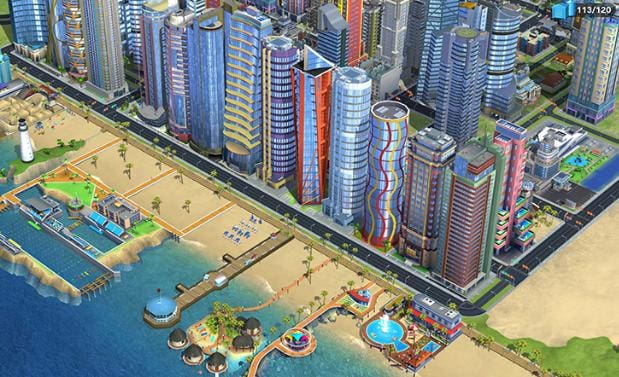
- The latest installment in the series, as of my knowledge cutoff in September 2021, is SimCity BuildIt, a free-to-play mobile version released in 2014, which allows players to build and manage cities on their smartphones or tablets.
Gameplay Tips
- Start Small: Begin with a modest city and gradually expand as your finances and population grow. It’s better to have a well-functioning small city than a sprawling, chaotic one.
- Plan Efficient Road Networks: Design well-connected road networks to ensure smooth traffic flow. Use curved roads to alleviate congestion and plan for future expansion.
- Balance Residential, Commercial, and Industrial Zones: Aim for a balanced mix of residential, commercial, and industrial zones to support a healthy economy. Too much of one type can lead to problems like unemployment or pollution.
- Invest in Infrastructure: Build essential infrastructure such as power plants, water facilities, and waste management systems to meet the needs of your growing city. Make sure to place them strategically to cover the entire city efficiently.
- Monitor Budget and Taxes: Keep a close eye on your city’s budget. Adjust tax rates and city expenses to maintain a healthy income and avoid financial deficits.
- Prioritize Education and Health: Provide adequate schools and healthcare facilities to ensure an educated and healthy population. Educated Sims attract higher-paying jobs and contribute to your city’s development.
- Focus on Services: Develop a robust service sector by building police stations, fire stations, and parks to ensure the safety and happiness of your citizens.
- Control Pollution: Place industrial zones away from residential areas to minimize pollution and keep your citizens happy. Consider utilizing advanced technologies and cleaner energy sources as your city progresses.
- Utilize Public Transportation: Establish a comprehensive public transportation system, including buses, subways, and trains. This will help alleviate traffic congestion and encourage more Sims to use public transport.
- Be Prepared for Disasters: Prepare for potential disasters such as fires, earthquakes, and floods by building fire stations, hospitals, and emergency response facilities. Create a contingency fund to handle emergencies.
- Monitor and Adjust RCI Demand: Pay attention to the demand for residential, commercial, and industrial zones. Adjust zoning accordingly to maintain a balanced and thriving city.
- Implement City Ordinances: Utilize city ordinances to enhance the efficiency and well-being of your city. Implement policies like recycling, smoke detectors, and energy conservation to promote sustainability.
- Encourage High-Rise Development: As your city grows, encourage high-rise buildings to maximize space utilization and accommodate a larger population.
- Utilize Civic Buildings: Construct landmark buildings, stadiums, and cultural centers to boost the desirability and prestige of your city, attracting more tourists and generating additional revenue.
- Balance Budgetary Constraints: Avoid overspending on unnecessary structures or services that can drain your city’s finances. Be mindful of the ongoing maintenance costs associated with buildings and infrastructure.
- Pay Attention to City Feedback: Regularly review the advice and feedback provided by your advisors. They offer valuable insights into the city’s needs and issues, helping you make informed decisions.
- Manage Land Value: Develop higher land value areas by providing parks, trees, and better amenities. This attracts wealthier residents and increases property tax revenue.
- Plan for Future Growth: Anticipate future population growth and plan infrastructure and services accordingly. Leave space for expansion and consider zoning for future development.
- Utilize Historical Data: Review historical data and charts to analyze trends in population, budget, and other key indicators. This will help you make informed decisions and plan for the future.

Quotes
- “In SimCity, you build your own dream city from the ground up.” – SimCity (2013) trailer
- “A city is not just a place, but a living, breathing organism.” – SimCity 4 Deluxe Edition loading screen tip
- “The people are the foundation of a city’s success.” – SimCity (2013) advisor
- “Good mayors listen to their citizens and make decisions that benefit everyone.” – SimCity (2013) advisor
- “A well-planned city leads to a happy and productive population.” – SimCity 4 Deluxe Edition loading screen tip
- “Progress is impossible without change, and those who cannot change their minds cannot change anything.” – SimCity (2013) advisor
- “Cities have the capability of providing something for everybody, only because and only when they are created by everybody.” – Will Wright, creator of SimCity
- “A city is more than a place in space; it is a drama in time.” – SimCity 4 Deluxe Edition loading screen tip
- “Build your city wisely, for its success depends on the choices you make.” – SimCity (2013) advisor
- “The challenge of city building is finding the right balance between growth and sustainability.” – SimCity (2013) advisor
Game Controls
Mouse Controls:
- Left-click: Select or interact with objects, buildings, and menus.
- Right-click: Cancel or deselect an object or action.
- Scroll wheel: Zoom in or out of the city view.
- Drag and drop: Move objects, buildings, or icons within the city.
Keyboard Controls:
- Arrow keys or WASD: Pan the camera to navigate around the city.
- Spacebar: Pause or unpause the game.
- Escape: Open or close menus or cancel an action.
- Z, X, C, V: Rotate objects or buildings.
- Ctrl or Command key (on Mac): Used in combination with other keys to perform various actions, such as copying objects or bulldozing.
Menu Controls:
- Tab: Switch between menus or information panels.
- Enter or Return: Confirm or apply changes in menus.
- Backspace or Delete: Remove objects or buildings.
- Numeric keys (1-9): Access specific menus or shortcuts assigned to them.
Objects, Places, Buildings
Objects:
- Trees: Decorative elements that can be placed in your city for aesthetics.
- Roads: Essential infrastructure that connects different parts of your city.
- Power lines: Transmit electricity from power plants to buildings.
- Water pipes: Distribute water to buildings for residential, commercial, and industrial needs.
- Landmarks: Iconic structures or monuments that can be built to showcase your city’s cultural significance.
Buildings:
- Residential zones: Areas where your city’s population resides.
- Commercial zones: Areas where businesses and shops are located.
- Industrial zones: Areas for manufacturing and production activities.
- Power plants: Facilities that generate electricity for your city.
- Hospitals: Provide healthcare services to your citizens.
- Schools and universities: Institutions for education and research.
- Police stations and fire stations: Maintain law and order and respond to emergencies.
- Parks and recreational facilities: Provide leisure and entertainment options for residents.
Places:
- City center: The core area of your city where important administrative buildings are located.
- Waterfront: Areas adjacent to bodies of water, where you can build ports or recreational spaces.
- Industrial districts: Areas dedicated to industrial activities and factories.
- Residential neighborhoods: Various residential areas with different architectural styles.
- Commercial districts: Zones where businesses and shops are concentrated.
- Green spaces: Parks, gardens, and open areas for recreational purposes.
Where to Play
- SimCity 4 Deluxe Edition:
- SimCity 4 Deluxe Edition: Steam Link
- SimCity (2013):
- SimCity 4 Deluxe Edition is the most recent SimCity release available on Steam as of my knowledge cutoff in September 2021. There isn’t a direct Steam link for the more recent SimCity (2013) version.
