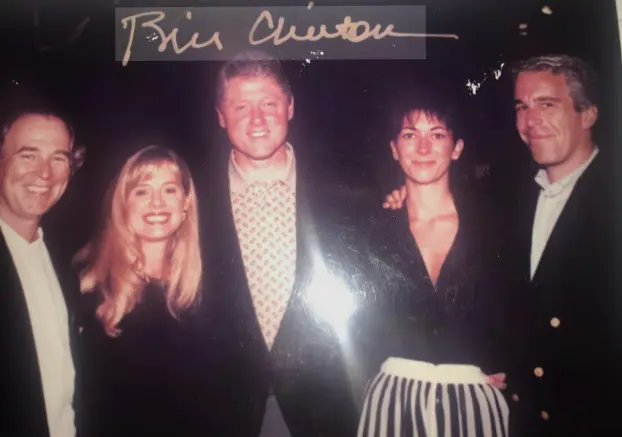
Former President Bill Clinton Epstein testimony has set an unprecedented precedent in U.S. political history, as he appeared under subpoena before the House Oversight Committee in the ongoing investigation into Jeffrey Epstein. The deposition, held in Chappaqua, New York, is believed to be the first time a former U.S. president has been formally deposed by Congress.
The historic event comes a day after former Secretary of State and 2016 Democratic presidential nominee Hillary Clinton testified under similar circumstances. Both depositions are part of the Oversight Committee’s effort to understand the network surrounding Epstein and the potential involvement of high-profile figures.
Subpoenaed Testimony from a Former President
House Oversight Committee Chairman Rep. James Comer, R-Ky., confirmed that former President Clinton answered all questions under oath, denying any wrongdoing in connection with Epstein. The former president’s appearance underscores the committee’s unprecedented authority to compel testimony from even the most powerful individuals in American politics.
According to congressional historians, no previous committee has successfully deposed a former president. “It’s very difficult to get people in for these depositions of great power and great wealth,” Comer explained. “It took seven months to get the Clintons here, but we succeeded.”
Clinton has long acknowledged personal connections with Epstein, including trips they took together, but has consistently denied any involvement in the criminal activities associated with Epstein.
Hillary Clinton’s Deposition Highlights
During her testimony, Hillary Clinton repeatedly deferred questions to her husband, reportedly stating more than a dozen times, “You’ll have to ask my husband.” Her closed-door session lasted nearly six hours, during which she denied ever visiting Epstein’s properties or flying on his private jet.
After leaving the deposition, Hillary Clinton expressed frustration with some of the lines of questioning. She said that the latter part of her deposition focused on conspiracy theories, including UFOs and the so-called “Pizzagate” allegations—claims widely discredited but circulated during the 2016 election cycle.
Chappaqua Becomes a Focal Point
Unlike typical congressional hearings in Washington, the Clintons were questioned at the Chappaqua Performing Arts Center (“ChappPAC”), located near their home in Chappaqua, about an hour north of New York City. The venue, featuring white arcades and Greek columns overlooking the Saw Mill River, highlighted the extraordinary nature of this investigation and emphasized the unique circumstances under which a former president can be compelled to testify.
Committee members from both parties attended, with some moments sparking media attention. Rep. Lauren Boebert, R-Colo., shared images from the deposition, drawing criticism from Democrats who described the proceedings as politicized and, at times, unserious.
Lawmakers React to Testimony
Committee members weighed in on the significance of Clinton’s testimony. Rep. Anna Paulina Luna, R-Fla., suggested that Epstein operated an intelligence-gathering operation, implying connections to high-level U.S. and international figures. She noted her statements reflected personal views, not official committee conclusions.
Rep. Nancy Mace, R-N.C., described Hillary Clinton’s demeanor as “unhinged” during her session, while expressing hope that Bill Clinton would provide more composed testimony.
Democrats argued the depositions set a new precedent that could extend to other high-profile figures, including former President Donald Trump. Rep. Robert Garcia, D-Calif., said, “There’s a precedent now. We now want President Trump to come in and testify under oath in front of the Oversight Committee.”
No Allegations Against the Clintons
Despite the historic nature of the testimony, neither Bill nor Hillary Clinton faces allegations of criminal wrongdoing related to Epstein. Republicans emphasized that the committee’s efforts are meant to uncover the full scope of Epstein’s network and ensure accountability for any illicit activities.
Rep. James Comer stressed the importance of transparency in high-level investigations, explaining that the committee’s work is necessary to hold influential individuals accountable, even years after alleged misconduct occurred.
Historical Context of Presidential Testimony
The U.S. Constitution establishes a separation of powers, making congressional oversight of the executive branch delicate and rare. Only a few sitting or former presidents have ever testified before Congress, and none had previously been deposed formally as a private citizen. This development may influence future inquiries, particularly those involving current or former presidents and high-profile figures.
President Trump, when asked about Clinton’s testimony, expressed sympathy for the former president. “I don’t like seeing him deposed. But they certainly went after me a lot more than that,” Trump said. When questioned about the Epstein files, he asserted he had been “totally exonerated.”
Implications for Future Oversight
Observers suggest the Clintons’ testimony could shape how Congress approaches investigations of current and former presidents. If the precedent holds, congressional committees may increasingly seek sworn depositions from influential figures, potentially redefining accountability standards in U.S. politics.
As Rep. Suhas Subramanyam, D-Va., noted, “It is unclear if the panel will seek testimony from President Trump, but the precedent established here could guide future congressional actions.”
Conclusion
Bill Clinton Epstein testimony represents a watershed moment in congressional oversight. The former president’s willingness to testify under subpoena demonstrates the Oversight Committee’s determination to pursue high-profile investigations. The historic depositions of both Bill and Hillary Clinton may influence future inquiries into presidential conduct, potentially shaping the balance of power between Congress and the executive branch for years to come.
The significance of Chappaqua as the venue, the detailed questioning about Epstein’s network, and the broader implications for accountability highlight a pivotal moment in U.S. political history. Lawmakers, historians, and the public alike will watch closely to see how this new precedent impacts the treatment of future presidents before Congress.
