Event planning is a dynamic and multifaceted task that requires meticulous organization, creativity, and attention to detail. From corporate conferences to weddings and music festivals, the success of any event hinges on its seamless execution and the creation of lasting memories for attendees. This may come as a surprise but as an event planner, you can create a storyboard to help you with the planning process.
In recent years, event planners have increasingly turned to storyboarding as a valuable tool to map out event logistics, visual aesthetics, and guest experiences. In this article, we delve into the world of effective event planning and explore how storyboarding plays a pivotal role in bringing vision to life, ensuring that every event is unforgettable.
Understanding Storyboarding in Event Planning
Storyboarding, traditionally associated with the film and design industries, involves visually illustrating the sequence of events, key moments, and overall flow of a story. Adapted for event planning, storyboarding is an innovative technique that empowers event organizers to map out the entire event from start to finish. By sketching out event layouts, timelines, and experiences, you can visualize the event’s progression and address potential challenges before they arise.
The Blueprint for a Flawless Event
Storyboarding serves as the blueprint for a flawless event. Before diving into logistics and vendor coordination, you can lay the groundwork by creating a comprehensive storyboard. This involves outlining the event’s schedule, including arrival and departure times, breaks, and transitions between activities. By visualizing the event’s flow, you can ensure that the event’s structure is engaging, smooth, and aligns with the goals of the occasion.
Design and Aesthetics Visualization
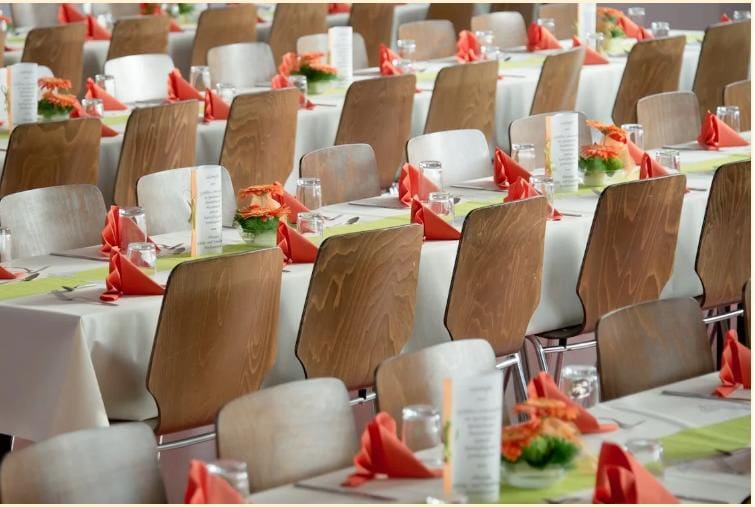
Aesthetics are a fundamental aspect of any event, setting the tone and atmosphere for attendees. Storyboarding allows you to envision the overall design, decor, and layout of the event space. From table arrangements to lighting setups and thematic elements, the storyboard provides a visual representation of the event’s ambiance. This enables planners to make informed decisions about decor and create a cohesive and visually appealing environment for guests.
Immersive Guest Experiences
The success of an event is often measured by the experiences it offers to attendees. Storyboarding enables you to focus on creating immersive experiences that resonate with guests. By mapping out various touchpoints throughout the event, including registration, interactive activities, and entertainment segments, you can identify opportunities to engage attendees and create memorable moments that leave a lasting impact.
Vendor and Team Coordination
Storyboarding facilitates effective communication and coordination among the event planning team and external vendors. Sharing visual representations of the event’s layout and activities with all involved parties ensures everyone is on the same page and working towards a unified vision. This collaborative approach minimizes misunderstandings and streamlines the planning process, contributing to a seamless execution on the day of the event.

Case Study: A Dream Wedding Brought to Life
To illustrate the power of storyboarding in event planning, let’s consider the example of a dream wedding. In this scenario, the couple desires an elegant and intimate garden wedding. The event planner starts by creating a storyboard that outlines the wedding’s sequence, beginning with the ceremony and ending with the reception.
The storyboard highlights essential elements such as floral arrangements, seating arrangements, catering stations, and entertainment areas. As the couple reviews the storyboard, they can make informed decisions and suggest modifications to ensure their vision is perfectly reflected.
During the planning process, the storyboard serves as a visual reference for the entire team, including the florist, caterer, and musicians. This alignment leads to a cohesive execution, where each aspect of the wedding complements the other, resulting in an unforgettable experience for the couple and their guests.
Bottom Line
Effective event planning demands creativity, precision, and a keen eye for detail. Storyboarding emerges as a powerful tool that empowers event planners to visualize the event’s structure, aesthetics, and guest experiences.
By creating comprehensive storyboards, you can ensure seamless coordination among team members and vendors, as well as provide a clear vision for the entire event. As the popularity of storyboarding continues to grow in the events industry, it will undoubtedly redefine the way memorable occasions are planned and executed for years to come.
