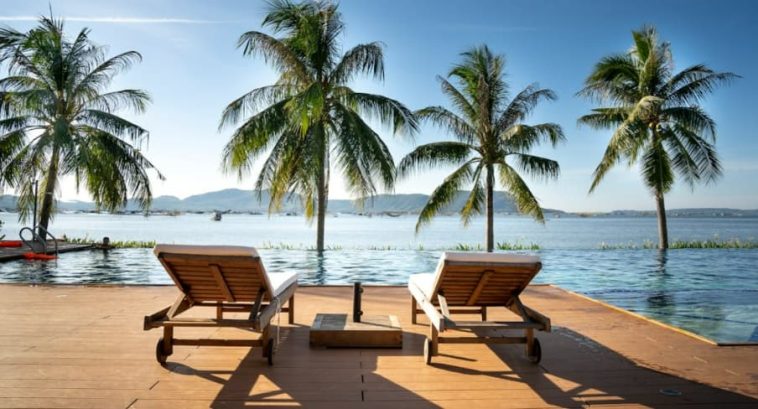
If your idea of a perfect vacation has shifted from endless sightseeing to absolute peace, you are experiencing the hushpitality trend. More than ever, travelers are seeking less noise, fewer screens, smaller crowds, and a lot more mental quiet.
Combining the words “hush” (silence) and “hospitality” (guest services), hushpitality is a rising travel movement that turns silence into a premium service. It is no longer just about staying at a beautiful hotel; it is about finding a space designed to quiet your mind.
Here is why silence has become the ultimate travel luxury and how the hospitality industry is adapting.
Silence is the New Luxury
A decade ago, a luxury vacation meant packed itineraries, crowded 5-star resorts, and active entertainment. Today, true luxury is the ability to unplug, disconnect, and become unreachable for a few days.
The origin of the hushpitality trend lies in our modern lifestyle. Big city life—with its constant stream of notifications, traffic noise, crowds, and screen glare—creates a form of sensory overload. People are suffering from sensory fatigue. As a result, travelers now value calmness over adrenaline. Silence has become a status symbol because finding a truly quiet space in the modern world is harder than you think.
Importantly, this trend isn’t about extreme isolation or loneliness. The goal is to build a low-stimulation, calming environment. You can experience hushpitality on a solo trip, with a partner, or with a group of friends who share the same desire for peace. The focus is on stepping away from constant interaction and embracing a slower, quieter pace.
What Does a Hushpitality Hotel Look Like?
Hotels and wellness retreats adopting this trend operate differently from standard resorts. Instead of trying to keep guests constantly busy with events and activities, they focus on helping them slow down.
Here are the key elements of a hushpitality hotel:
- Acoustic Design: Soft lighting, simple layouts, and noise-reducing architecture help guests decompress.
- Digital Detox Zones: Television-free lounges, designated areas where smartphones are banned, and libraries that encourage reading.
- Invisible Service: The staff is always available when needed but remains discreetly in the background to avoid constant social interaction. Check-ins are often digital, and room service is delivered with minimal contact.
- Calming Activities: Focus on silent spas, meditation sessions, and forest bathing rather than noisy pool parties or active entertainment.
Quietcation vs. Hushpitality: What is the Difference?
While you might hear the terms “quietcation” and “hushpitality” used together, they represent two different parts of the same movement.
- Quietcation is a travel choice. It refers to the traveler’s desire to go somewhere quiet and disconnect.
- Hushpitality is the service side of that choice. It refers to how the hotel or resort actively designs and curates the quiet experience for the guest.
In other words, travelers don’t just want to travel to a quiet destination anymore; they want the hotel itself to be a carefully designed sanctuary of silence.
Why We Need a Mental Break
The sudden rise of wellness culture, slow living, and digital detoxing is no coincidence. Constant connectivity has left millions of people feeling mentally exhausted. Today, doing absolutely nothing is a legitimate health requirement.
Hushpitality meets this need by promising a mental reset. For burned-out city dwellers, spending a few days in silence is the ultimate modern escape.
The Future of Silent Vacations
Travel experts predict that silence-focused tourism will continue to grow rapidly. Boutique cabins in the wilderness, adults-only quiet retreats, and digital detox lodges are already seeing record bookings.
The future of travel is not about doing more; it is about slowing down. The hushpitality trend provides exactly that—a peaceful space where nobody is bothering you.
