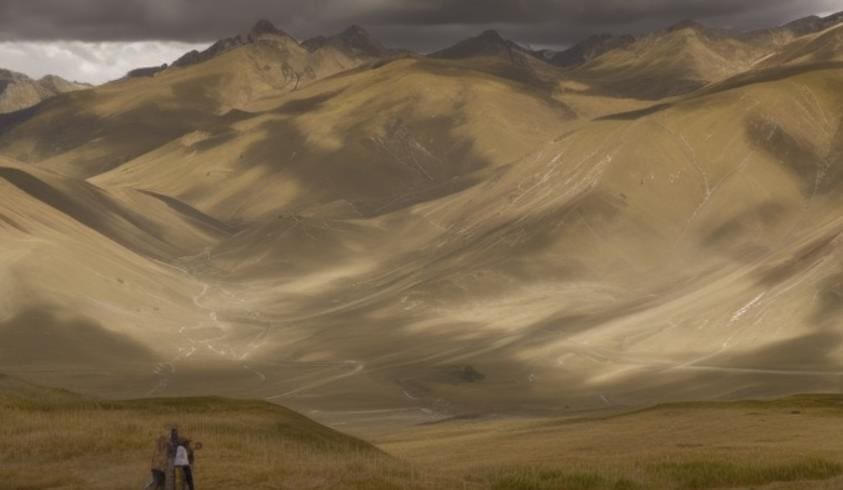
Introduction to Mountains
Mountains have always captivated human imagination with their majestic presence and awe-inspiring beauty. These towering giants of nature have a rich history and offer numerous fascinating facts that are worth exploring. In this article, we will delve into 50 intriguing facts about mountains that will leave you in awe of their grandeur and significance.
The Formation of Mountains
Mountains are formed through various geological processes. One common method of mountain formation is tectonic activity, where the Earth’s crustal plates collide, causing the crust to buckle and fold. This process, known as orogenesis, results in the creation of mountain ranges. Another method is volcanic activity, where magma rises to the surface and solidifies, forming a volcano. Over time, successive eruptions can build up a mountain. Some mountains are even formed by erosion, as water and ice gradually wear away the surrounding land, creating peaks and valleys.
Types of Mountains
Mountains come in different shapes and sizes, each with its own unique characteristics. One type of mountain is a fold mountain, which is formed through the folding of rock layers. These mountains often have long ridges and valleys. Another type is a fault-block mountain, which is created when large blocks of rock are pushed up or down along a fault line. These mountains typically have steep, rugged slopes. Additionally, there are volcanic mountains, which are formed by volcanic activity and are often characterized by their conical shape.
The Highest Mountain in the World
When it comes to the highest mountain in the world, there is no contest – Mount Everest takes the crown. Located in the Himalayas on the border of Nepal and China, Mount Everest stands at a staggering height of 29,029 feet (8,848 meters) above sea level. Climbing Mount Everest is no easy feat and requires tremendous skill, experience, and physical endurance. Despite the challenges, many brave mountaineers have successfully reached its summit, leaving their mark in the history of mountaineering.
Famous Mountain Ranges
Mountain ranges are a collection of mountains that are geographically connected. They often span vast areas and are home to incredible biodiversity. Some of the world’s most famous mountain ranges include the Himalayas, the Andes, the Rockies, the Alps, and the Atlas Mountains. These majestic ranges have not only shaped the landscapes they inhabit but also influenced the cultures and societies that have flourished in their vicinity.
Mountains and Their Role in Climate
Mountains play a crucial role in shaping local and regional climates. As air masses move across the Earth’s surface, they encounter mountains, forcing the air to rise. As the air rises, it cools and condenses, leading to the formation of clouds and precipitation. This phenomenon, known as orographic lifting, can result in significant rainfall on the windward side of mountains, while the leeward side often experiences a rain shadow effect, leading to drier conditions. Mountains also act as barriers, blocking the movement of air masses and influencing the distribution of temperature and precipitation patterns.
The Impact of Mountains on Local Ecosystems
Mountains are home to a wide range of unique ecosystems, each with its own specialized flora and fauna. The high altitude, extreme temperatures, and rugged terrain create challenging conditions for life to thrive. Yet, mountains are teeming with biodiversity, with many species found nowhere else on Earth. These ecosystems provide important ecological services, such as water filtration, carbon storage, and habitat for endangered species. However, they are also highly vulnerable to climate change and human activities, making their conservation a matter of utmost importance.
Mountain Climbing and Famous Mountaineers
Mountain climbing, also known as mountaineering, is a challenging and exhilarating activity that has attracted adventurers for centuries. The conquest of mountains requires physical strength, mental fortitude, and technical skills. Throughout history, numerous mountaineers have pushed the boundaries of human achievement by scaling some of the world’s most formidable peaks. Legendary climbers like Sir Edmund Hillary, Reinhold Messner, and Junko Tabei have left an indelible mark on the history of mountaineering, inspiring countless others to pursue their own mountainous dreams.
The Dangers of Mountain Climbing
While mountain climbing offers a thrilling and rewarding experience, it is not without its dangers. The high altitudes, extreme weather conditions, and treacherous terrain pose significant risks to climbers. Avalanches, rockfalls, and crevasses are just a few of the hazards climbers must contend with. Altitude sickness, frostbite, and hypothermia are also common threats. Proper training, equipment, and knowledge are essential for ensuring the safety of climbers. It is vital to respect the mountains and understand the potential risks involved before embarking on any climbing expedition.
Unique Flora and Fauna Found in Mountains
Mountain ecosystems are home to a rich diversity of plant and animal species, many of which are specially adapted to survive in harsh mountainous conditions. Alpine meadows burst with vibrant wildflowers during the brief summer months, while towering coniferous forests provide shelter for a variety of wildlife. Mountain goats, snow leopards, and golden eagles are just a few examples of the unique fauna found in mountainous regions. These remarkable species have evolved remarkable adaptations to cope with the challenges of life at high altitudes, making them a testament to the resilience of nature.
The Importance of Mountains in Culture and Spirituality
Throughout history, mountains have held a special place in the hearts and minds of people around the world. They have been revered as sacred sites, places of worship, and sources of inspiration. Many cultures have mythologies and legends that revolve around mountains, attributing them with supernatural powers and spiritual significance. Mountains have also served as natural landmarks, guiding travelers and serving as boundary markers. Their majestic presence has inspired artists, writers, and poets, shaping the cultural and artistic heritage of societies throughout the ages.
Mountains in Literature and Art
Mountains have long captured the imagination of artists and writers, serving as a recurring motif in literature and art. From William Wordsworth’s poetic musings on the sublime beauty of the Lake District to Caspar David Friedrich’s evocative landscapes depicting rugged mountain peaks, the allure of mountains has been depicted in various artistic mediums. Mountains symbolize a sense of awe, adventure, and challenge, inspiring creative minds to capture their essence and provoke contemplation in the audience.
The Role of Mountains in Tourism
Mountains are a major draw for tourists seeking adventure, natural beauty, and outdoor activities. From skiing and snowboarding in winter to hiking and mountain biking in summer, mountains offer a wide array of recreational opportunities. Ski resorts, mountain lodges, and adventure tourism companies cater to travelers looking to experience the thrill of the mountains. However, the influx of tourists also poses challenges to mountain ecosystems and local communities. Sustainable tourism practices are essential for ensuring that the beauty and resources of mountains are preserved for future generations.
The Effects of Climate Change on Mountains
Climate change poses a significant threat to mountain ecosystems and the communities that depend on them. Rising temperatures, melting glaciers, and altered precipitation patterns are all impacting mountains worldwide. These changes have far-reaching consequences, including water scarcity, increased risk of natural disasters, and loss of biodiversity. Efforts to mitigate and adapt to climate change are crucial for protecting the fragile ecosystems of mountains and ensuring the well-being of mountain communities.
Interesting Geological Features of Mountains
Mountains are not only breathtakingly beautiful but also host a variety of interesting geological features. From towering cliffs and deep gorges to karst landscapes and glacial valleys, mountains offer a glimpse into the Earth’s geological history. The forces of erosion, tectonic activity, and volcanic eruptions have shaped these features over millions of years, leaving behind a testament to the dynamic nature of our planet.
The Role of Mountains in Water Resources
Mountains are often referred to as “water towers” because they play a vital role in regulating the flow of water in river systems. Snow and ice accumulate in high-altitude regions and gradually melt, releasing water downstream. This gradual release helps maintain a steady flow of water throughout the year, ensuring a reliable supply for downstream communities. Additionally, mountain streams and rivers provide habitats for a diverse range of aquatic species, making them crucial for freshwater biodiversity.
Famous Mountain Peaks Around the World
The world is dotted with iconic mountain peaks that have captured the imagination of explorers, adventurers, and nature lovers. From the Matterhorn in the Swiss Alps to Mount Kilimanjaro in Tanzania, these peaks have become symbols of human achievement and natural beauty. Each peak has its own unique allure, attracting climbers and visitors from around the globe. Standing atop these majestic summits, one can’t help but feel a sense of triumph and wonder at the world spread out below.
Mountain Myths and Legends
Mountains have long been associated with myths and legends, woven into the fabric of ancient cultures. From the Greek gods residing on Mount Olympus to the abode of the Himalayan Yeti, mountains have been the setting for countless tales of gods, monsters, and supernatural beings. These stories reflect the reverence and awe that mountains have inspired in human societies, as well as the mysteries and secrets that shroud these towering peaks.
The Significance of Mountains in Ancient Civilizations
In many ancient civilizations, mountains held great significance as sacred sites and places of worship. The ancient Greeks believed that Mount Olympus was the dwelling place of the gods, while the Incas revered the Andean peaks as embodiments of their deities. Mountains often served as natural fortresses, providing protection for cities and enabling the development of advanced civilizations. The legacy of these ancient cultures can still be seen in the ruins and artifacts that dot the mountain landscapes today.
Mountain Sports and Activities
Mountains offer a wide range of thrilling sports and activities for outdoor enthusiasts. Skiing, snowboarding, mountaineering, rock climbing, and paragliding are just a few examples of the exhilarating pursuits that mountains provide. These sports require skill, strength, and a deep appreciation for the natural environment. From the adrenaline rush of conquering a challenging climbing route to the pure joy of carving through fresh powder, mountain sports offer a unique and unforgettable experience.
The Challenges of Living in Mountainous Regions
While mountains offer breathtaking beauty and recreational opportunities, living in mountainous regions can be challenging. The rugged terrain, harsh climates, and limited resources present unique difficulties for human settlements. Access to basic amenities, such as water, electricity, and transportation, can be limited in remote mountain communities. Extreme weather events, such as avalanches and landslides, pose constant threats. However, the resilience and resourcefulness of mountain communities have allowed them to adapt and thrive in these challenging environments.
Mountains and Their Impact on Human Settlement
Mountainous regions have shaped the patterns of human settlement and the development of civilizations throughout history. Mountains provide natural barriers, protecting communities and enabling the formation of isolated societies. They also offer strategic advantages, such as defensive positions and access to valuable resources. Mountainous regions have often been hotbeds of cultural exchange, as trade routes pass through mountain passes and valleys. The diverse cultures and languages found in mountainous areas are a testament to the interactions between different communities over centuries.
The Role of Mountains in Natural Disasters
While mountains offer incredible beauty and recreational opportunities, they can also be the source of natural disasters. Landslides, avalanches, and volcanic eruptions are hazards that can cause significant damage to human settlements and infrastructure. Flash floods, triggered by heavy rainfall or the rapid melting of snow and ice, can devastate communities downstream. It is crucial for residents and authorities in mountainous regions to be prepared and have robust disaster management plans in place to mitigate the risks associated with these natural hazards.
The Economic Value of Mountains
Mountains have significant economic value, contributing to various sectors of the economy. Tourism is one of the primary industries in mountainous regions, attracting visitors from around the world and generating revenue for local communities. Mountains also provide resources such as minerals, timber, and water, which are essential for economic development. The unique natural beauty of mountains has also inspired industries such as photography, film, and art, creating employment opportunities and fostering cultural expression.
Mountain Conservation Efforts
Given the ecological importance and cultural significance of mountains, conservation efforts are crucial for preserving these fragile ecosystems. Protected areas, such as national parks and biosphere reserves, play a vital role in safeguarding mountain biodiversity. Sustainable land use practices, reforestation efforts, and wildlife conservation initiatives are essential for maintaining the delicate balance of mountain ecosystems. Collaboration between governments, local communities, and environmental organizations is key to ensuring the long-term conservation of mountains and the services they provide.
Mountains and Their Connection to Geology
Mountains are a living testament to the Earth’s geological history, revealing the processes that have shaped our planet over millions of years. By studying the rocks, fossils, and landforms found in mountains, geologists can unravel the mysteries of Earth’s past. Mountains are often referred to as “natural laboratories” for geological research, providing valuable insights into plate tectonics, volcanic activity, and erosion processes.
The Role of Mountains in Adventure Tourism
Adventure tourism is an increasingly popular form of travel, with mountains serving as prime destinations for thrill-seekers. Activities such as trekking, heli-skiing, and white-water rafting attract adventure enthusiasts from around the world. Mountainous regions offer the perfect playground for adrenaline-pumping experiences, allowing visitors to immerse themselves in the rugged beauty of nature. However, it is important for adventure tourism to be conducted responsibly, ensuring that the natural environment and local communities are not adversely impacted.
The Impact of Mountaineering on Mountain Environments
Mountaineering has a profound impact on mountain environments, both positive and negative. On one hand, mountaineering promotes appreciation for the natural world and fosters a sense of adventure and personal growth. It also provides economic opportunities for local communities through tourism. On the other hand, mountaineering can lead to overcrowding, pollution, and disturbance of wildlife habitats. The challenge lies in finding a balance between allowing access to mountains for recreational purposes and preserving their fragile ecosystems.
Mountains and Their Importance in Biodiversity
Mountains are hotspots of biodiversity, harboring a wide range of unique plant and animal species. The high altitudes, diverse microclimates, and isolation of mountain ecosystems have allowed for the evolution of specialized flora and fauna. Many of these species are endemic, meaning they are found nowhere else on Earth. Protecting mountain biodiversity is crucial for maintaining the ecological balance and ensuring the long-term survival of these remarkable species
