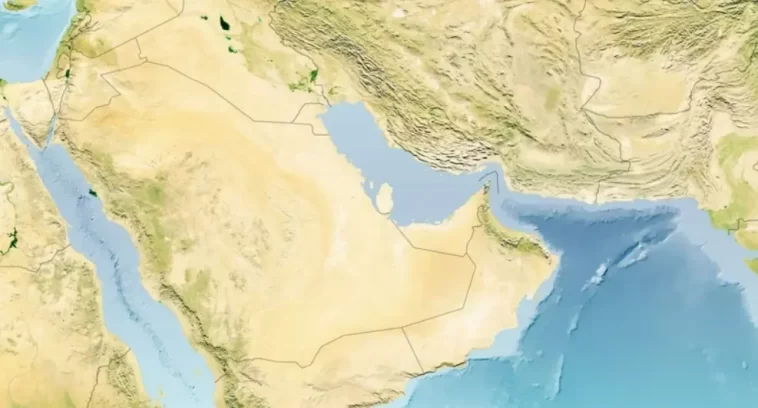
The Strait of Hormuz has become a key focus in international news following rising tensions in the Middle East. After a series of military actions involving Iran, Israel, and the United States, questions about the strategic waterway’s closure have made headlines. But why is the Strait of Hormuz so important, and what would it mean if it were effectively “closed”?
What Is the Strait of Hormuz and Where Is It?
The Strait of Hormuz is a narrow waterway located between Iran and Oman, connecting the Persian Gulf with the Gulf of Oman and the Arabian Sea. Despite its modest width—about 33 kilometers at its narrowest point—it is one of the most strategic maritime routes in the world. The corridor that ships can safely navigate is much narrower, approximately 3 kilometers in each direction. This narrowness makes the strait extremely sensitive to military and security risks.
Major oil and gas exporters in the Middle East depend on this route to reach global markets. Any disruption could have serious implications for energy-importing nations and global economic stability.
How the Strait Can Be “Closed”
When media or officials speak about “closing” the Strait of Hormuz, it doesn’t mean a physical barrier like a gate. Instead, closure usually refers to a military or political action that restricts maritime passage. Here’s how such a closure could occur:
- Naval Mines – Deploying thousands of sea mines to make it unsafe for commercial vessels.
- Coastal Defense Missiles – Targeting passing tankers with shore-based missiles.
- Fast Attack Boats and Naval Patrols – Using small, fast boats to harass or block ships.
- Sinking Large Ships – Creating a physical blockade by sinking vessels in the narrow passage (though difficult, it is theoretically possible).
These measures are typically threats used by states like Iran to influence global politics, rather than regular operational actions.
Why Is It So Important?
Roughly 20-25% of the world’s traded oil passes through the Strait of Hormuz. A disruption in this corridor could trigger:
- Immediate spikes in global oil prices
- Economic instability across multiple countries
- Possible military interventions from major powers such as the United States
Energy Flow Through the Strait
According to the U.S. Energy Information Administration (EIA), around 20 million barrels of oil passed through the Strait daily in 2024. This volume represents roughly $500 billion in annual global energy trade.
Countries such as Iran, Iraq, Kuwait, Qatar, Saudi Arabia, and the UAE rely on this passage to export oil. The Strait also plays a crucial role in the transport of liquefied natural gas (LNG), with about one-fifth of global LNG shipments moving through this corridor, a large portion of which comes from Qatar.
Asia is the primary destination for these shipments, with countries like China, India, Japan, and South Korea consuming nearly 70% of the oil passing through the strait. Any sharp increase in oil prices would directly impact industrial production, transportation, and energy infrastructure across Asia.
Recent Developments and Impacts
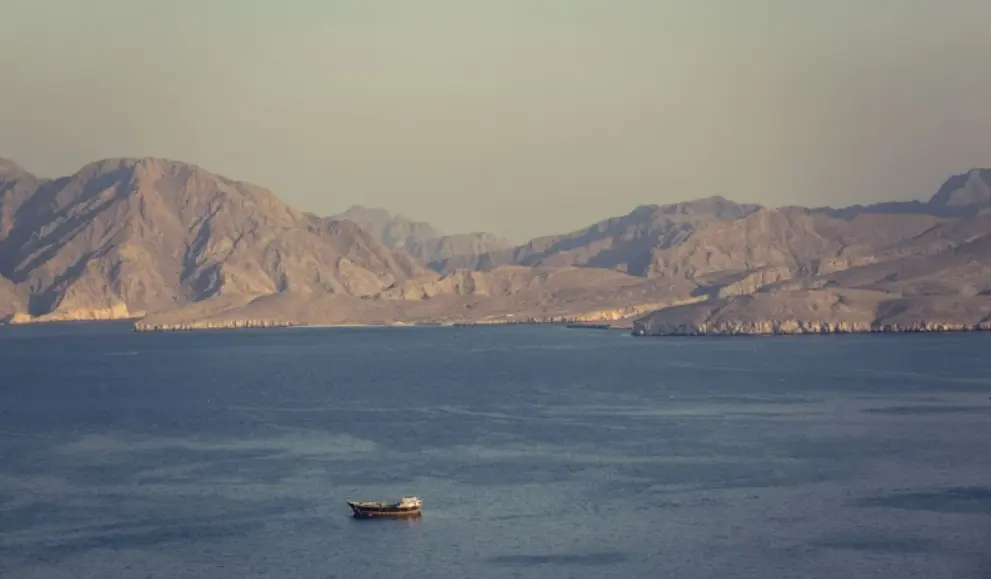
Following recent regional conflicts, shipping traffic through the Strait of Hormuz has decreased significantly. Many tankers carrying crude oil and LNG have been anchored in open waters outside the strait, awaiting safe passage. Analysts report that at least 150 vessels are currently positioned in the Gulf of Oman and the Persian Gulf due to potential navigational risks.
A closure scenario could effectively remove one-fifth of global oil supply overnight, causing dramatic price increases and long-term market instability. The region’s vast oil and gas reserves mean any interruption has global repercussions.
Conclusion
The Strait of Hormuz is not just a geographic location—it is a vital artery of global energy supply. Its strategic importance, combined with the region’s volatility, means that developments here are closely watched by governments, investors, and energy companies worldwide. Understanding the strait’s role and the potential consequences of its closure is essential for anyone tracking global energy markets.
